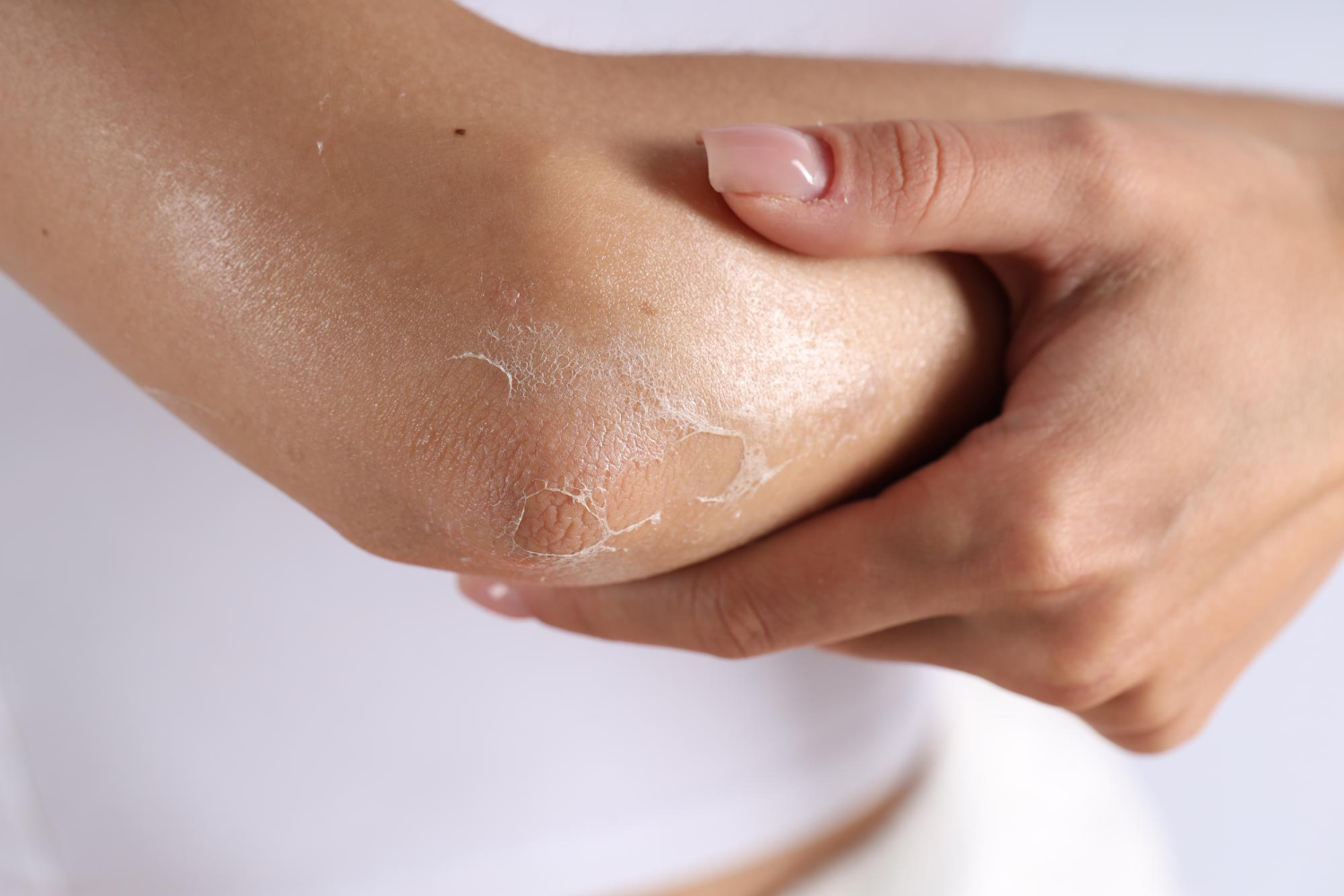
Haze can affect more than air quality. Exposure to airborne pollutants may contribute to skin irritation, inflammation and damage associated with premature skin ageing. For people with sensitive skin or existing conditions such as eczema and rosacea, hazy weather may also coincide with worsening symptoms.
In Singapore,
where haze has occurred due to regional forest fires, understanding how air pollution interacts with the skin can help you make informed skincare choices. A few consistent habits, including gentle cleansing, regular moisturising and daily sunscreen use, can help support your skin barrier.
This article explains what you should know about haze and skin health, how to care for your skin, and when to seek professional advice.
What is haze and how does it affect the skin?
In Singapore, haze from forest and peatland fires in nearby parts of Indonesia, especially Sumatra and Kalimantan, has drifted over the region. This haze contains pollutants like
fine particulate matter (PM2.5), which can reduce air quality and come into contact with the skin.
PM2.5 refers to fine particulate matter measuring 2.5 micrometres or less in diameter. These particles are small enough to penetrate deep into the respiratory system. Air pollution may also contain gases and other substances that can interact with the skin.
When airborne pollutants come into contact with the skin, they may settle on its surface and interact with skin lipids, proteins, and other components. Depending on the pollutant, exposure level and duration, and a person’s skin sensitivity, these interactions may contribute to oxidative stress and inflammation.
A
2026 systematic review in the
American Journal of Clinical Dermatology examined 77 studies on air pollution and skin diseases, selected from 1,393 screened studies. The review found associations between air pollution and several skin conditions, as well as skin ageing, although the researchers rated the overall evidence as low quality. Much of the research concerns air pollution in general rather than haze specifically, so the findings may not directly reflect the effects of a short haze episode on the skin.
How does haze affect skin health?
Pollutants found in haze may affect the skin through several processes, including oxidative stress, disruption of the skin barrier and inflammation.
Oxidative stress and free radical damage
Airborne pollutants can contribute to the formation of reactive oxygen species, commonly referred to as free radicals. When these molecules accumulate faster than the skin’s antioxidant defences can manage them, oxidative stress may occur.
Oxidative stress can affect skin cells and structural proteins, including collagen and elastin, which help maintain skin firmness and elasticity. Over time, repeated exposure to environmental pollutants may contribute to visible signs of skin ageing, although the extent of the effect depends on multiple factors.
Disruption of the skin barrier
The skin barrier helps retain moisture and protects against external irritants. It consists partly of skin cells and lipids that work together to limit water loss and reduce the entry of potentially irritating substances.
Pollution may interfere with this protective function. When the skin barrier is compromised, the skin may become dry, rough, tight or more sensitive to skincare products and environmental triggers.
Maintaining the skin barrier is therefore an important part of skincare during hazy conditions, particularly for people who already experience dryness or sensitivity.
Skin inflammation and irritation
Exposure to airborne pollutants may trigger inflammatory responses in the skin. Depending on individual sensitivity and the level of exposure, this may be associated with redness, itching, discomfort or increased sensitivity.
These symptoms are not specific to haze and may also result from heat, humidity, skincare ingredients or an underlying skin condition. Persistent or worsening symptoms should not automatically be attributed to air pollution.
Can haze worsen existing skin conditions?
Eczema
People with eczema have a skin barrier that is less effective at retaining moisture and protecting against irritants. Environmental pollutants may add to skin irritation or inflammation in some individuals.
During hazy periods, pay attention to changes in dryness, itching, redness or discomfort. Continue your prescribed eczema management plan, use a suitable moisturiser regularly and avoid introducing multiple new skincare products at once. If your symptoms become more difficult to manage, seek advice from a healthcare professional.
Acne
Research has investigated possible links between air pollution and
acne. One proposed explanation is that pollutants and oxidative stress may contribute to inflammation and changes in the skin environment.
However, acne has multiple contributing factors, including excess sebum, clogged pores, hormonal influences and inflammation. Haze should not be assumed to be the sole cause of new breakouts.
Continue using acne products that suit your skin and follow your existing treatment plan. Avoid repeatedly washing your face or using harsh scrubs to remove perceived pollution, as these may irritate the skin.
Rosacea
Rosacea can cause facial redness, visible blood vessels, bumps and episodes of flushing. People with rosacea may be sensitive to environmental triggers, although individual triggers vary.
The relationship between haze specifically and rosacea is not as well established as the broader research into air pollution and skin health. Nevertheless, if you notice that your skin becomes more uncomfortable during hazy periods, a gentle routine and reduced exposure where practical may help limit irritation.
Avoid adding strong exfoliants or fragranced products if your skin is already sensitive.
Premature skin ageing and wrinkles
Long-term exposure to air pollution has been investigated as a potential contributor to uneven pigmentation, reduced skin elasticity and wrinkles. Oxidative stress and inflammation are possible mechanisms behind these associations.
However, skin ageing is influenced by several factors, particularly ultraviolet (UV) exposure, genetics, smoking and natural ageing. The available evidence does not mean that a short episode of haze will automatically cause visible wrinkles or lasting skin damage.
Protecting your skin from UV radiation, maintaining a consistent skincare routine and limiting unnecessary exposure to polluted air are reasonable steps to support overall skin health.
How can you protect your skin during haze?
Cleanse gently at the end of the day
Cleanse gently as part of your usual routine, particularly in the evening to remove sunscreen, sweat and surface residue. You do not need to wash your face after every trip outdoors. Use a gentle cleanser suited to your skin type and lukewarm water.
Avoid aggressive scrubbing, cleansing brushes or repeated washing. These approaches can disrupt the skin barrier and may worsen dryness or irritation.
If you have sensitive skin, choose a cleanser that does not leave your skin feeling tight or stripped.
Moisturise regularly
Apply a moisturiser that helps maintain the skin barrier and reduce moisture loss. Ingredients such as ceramides, glycerin and hyaluronic acid can be useful components of a moisturising routine, depending on your skin type and tolerance.
People with dry or eczema-prone skin may prefer a richer cream, while those with oily or acne-prone skin may find a lighter, non-comedogenic formulation more comfortable.
The goal is to maintain skin hydration and comfort rather than to create a thick layer of products in an attempt to block all pollution.
Continue wearing sunscreen
Hazy skies do not mean that UV radiation is absent. Some UV radiation can still reach the skin through cloud and haze, so continue using a broad-spectrum sunscreen with SPF 30 or higher as part of your usual daytime routine.
Apply it according to the product instructions and reapply when needed, particularly after sweating or prolonged outdoor exposure.
Sunscreen helps protect against UV-related skin damage, but it should not be considered a complete barrier against airborne pollutants.
Reduce outdoor exposure when air quality is poor
Check Singapore’s official haze and air-quality advisories before planning prolonged outdoor activities. Where practical, reduce time spent outdoors when readings are elevated, particularly if you are sensitive to environmental irritants.
If you need to be outside, avoid unnecessary prolonged exposure and follow the relevant public health advice. Keeping windows closed when outdoor pollution is high, where appropriate, and maintaining indoor air quality may also help reduce exposure.
These steps are intended to reduce contact with pollutants; they cannot eliminate exposure entirely.
Do anti-pollution skincare products actually work?
Anti-pollution skincare products are marketed to protect the skin against environmental pollutants. They may contain antioxidants, moisturising ingredients or film-forming substances intended to support the skin barrier.
Some ingredients have plausible benefits, but claims made for an entire product category should be assessed carefully.
Topical antioxidants such as vitamin C
Vitamin C is an antioxidant used in skincare. Depending on its formulation and concentration, it may help neutralise free radicals and support collagen production. It is also used to address certain forms of uneven pigmentation.
Other antioxidant ingredients may help support the skin’s defence against oxidative stress. However, the effectiveness of a product depends on its formulation, stability, delivery and suitability for the individual.
An antioxidant serum is not a substitute for sunscreen, and evidence that an ingredient has antioxidant properties does not automatically establish that a particular product prevents haze-related skin damage.
What about products labelled “anti-pollution”?
There is limited evidence that products marketed specifically as “anti-pollution” provide additional clinical benefits beyond their established skincare ingredients. Rather than purchasing multiple products based on marketing claims, consider whether a product addresses a clear need, such as dryness, sensitivity or uneven pigmentation. Introduce new products gradually, especially if you have eczema, acne or rosacea.
Keep your routine simple and consistent
For many people, a practical routine includes:
- Morning: Gentle cleansing if needed, moisturiser and broad-spectrum sunscreen.
- Evening: Gentle cleanser to remove sunscreen and surface residue, followed by moisturiser.
- As needed: Existing treatments for acne, eczema or other diagnosed skin conditions, according to professional advice.
You may choose to add an antioxidant product if it suits your skin, but it is not essential for everyone. A simple routine that you can maintain consistently is often more useful than a complicated routine that increases the risk of irritation.
When should you see a dermatologist?
Occasional mild dryness or irritation may improve with gentle cleansing and moisturising. However, consider seeking professional assessment if you experience:
- Persistent or worsening redness, itching, dryness or skin sensitivity.
- Eczema, acne or rosacea symptoms that become harder to manage.
- A rash that does not improve or keeps returning.
- New skin changes that are unexplained or concerning.
- Irritation or discomfort after introducing a skincare product.
We can assess your skin, consider possible causes and advise on suitable management options based on your symptoms and skin condition. This can help identify underlying conditions such as eczema, rosacea or contact dermatitis and guide appropriate treatment.
Seek urgent medical attention if you develop severe facial swelling, difficulty breathing or other symptoms of a serious allergic reaction.
Frequently Asked Questions
Can haze make your face darker?
Air pollution has been studied in relation to oxidative stress and pigmentation changes, particularly with longer-term exposure. However, uneven skin tone can have many causes, including UV exposure, hormonal influences and inflammation. Haze alone cannot be assumed to be responsible for a change in skin colour.
Should I wash my face more often during haze?
Not necessarily. Cleansing after outdoor exposure can help remove surface residue, but excessive washing may strip the skin of its natural oils and worsen irritation. A gentle cleanse followed by moisturiser is generally a more suitable approach.
Is sunscreen necessary on hazy days in Singapore?
Yes. Haze does not eliminate UV exposure. Continue using broad-spectrum sunscreen as part of your daytime skincare routine, even when the sky looks grey.
Can an anti-pollution serum prevent skin damage from haze?
No serum can be assumed to prevent all pollution-related skin effects. Antioxidants may support the skin’s defence against oxidative stress, but results depend on the ingredient and formulation. Gentle cleansing, moisturising, sunscreen use and reducing exposure where practical remain important parts of skin care.
Support your skin during hazy weather
Haze and air pollution may contribute to skin irritation, inflammation and processes associated with premature skin ageing. They may also affect people with existing skin conditions, although individual responses vary and the evidence is still developing.
For everyday skin care in Singapore, focus on gentle cleansing, regular moisturising, consistent sunscreen use and following public health advisories when air quality deteriorates. Anti-pollution products may have a role when their ingredients suit your skin, but they are not a replacement for these basic measures.
If you notice persistent irritation or changes in an existing skin condition, our team at
Dermatology Collective can assess your concerns and discuss appropriate next steps based on your individual skin needs. Book a consultation with us.