Vascular and Redness Lasers

Table of contents

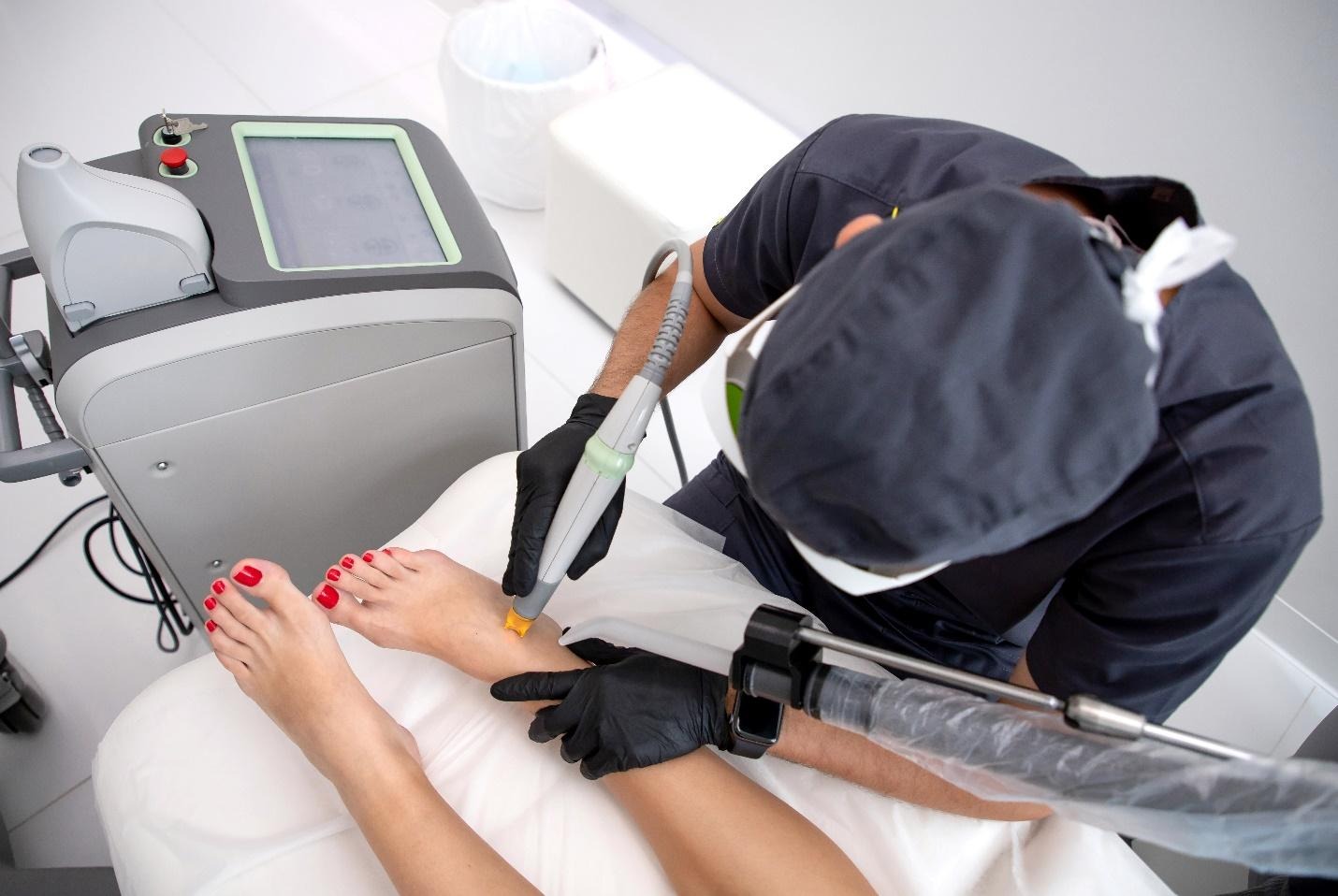
vascular laser treatment for facial redness and broken capillaries.
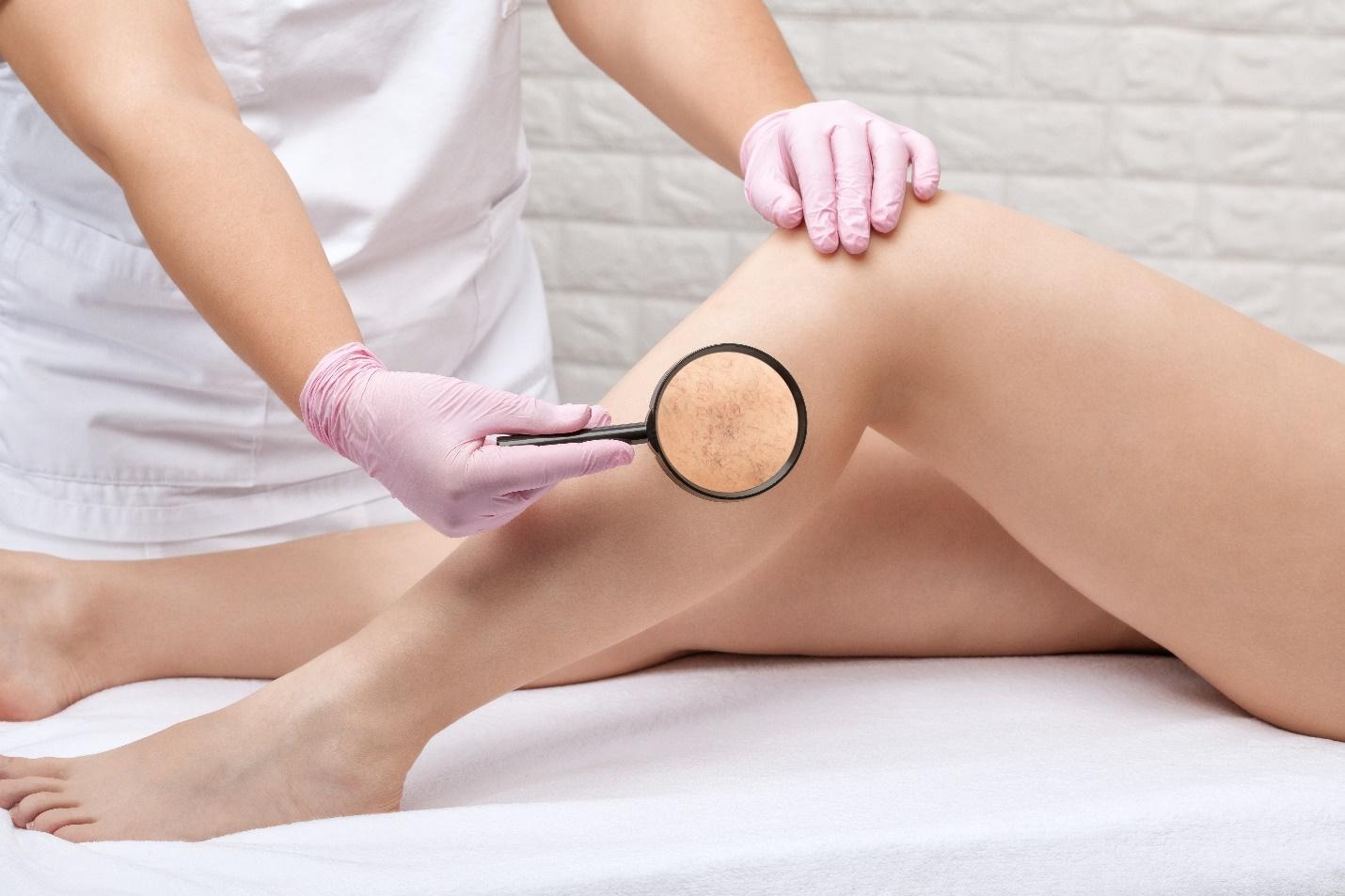
Vascular and redness laser treatments help reduce facial flushing and visible blood vessels by targeting abnormal vessels beneath the skin surface.

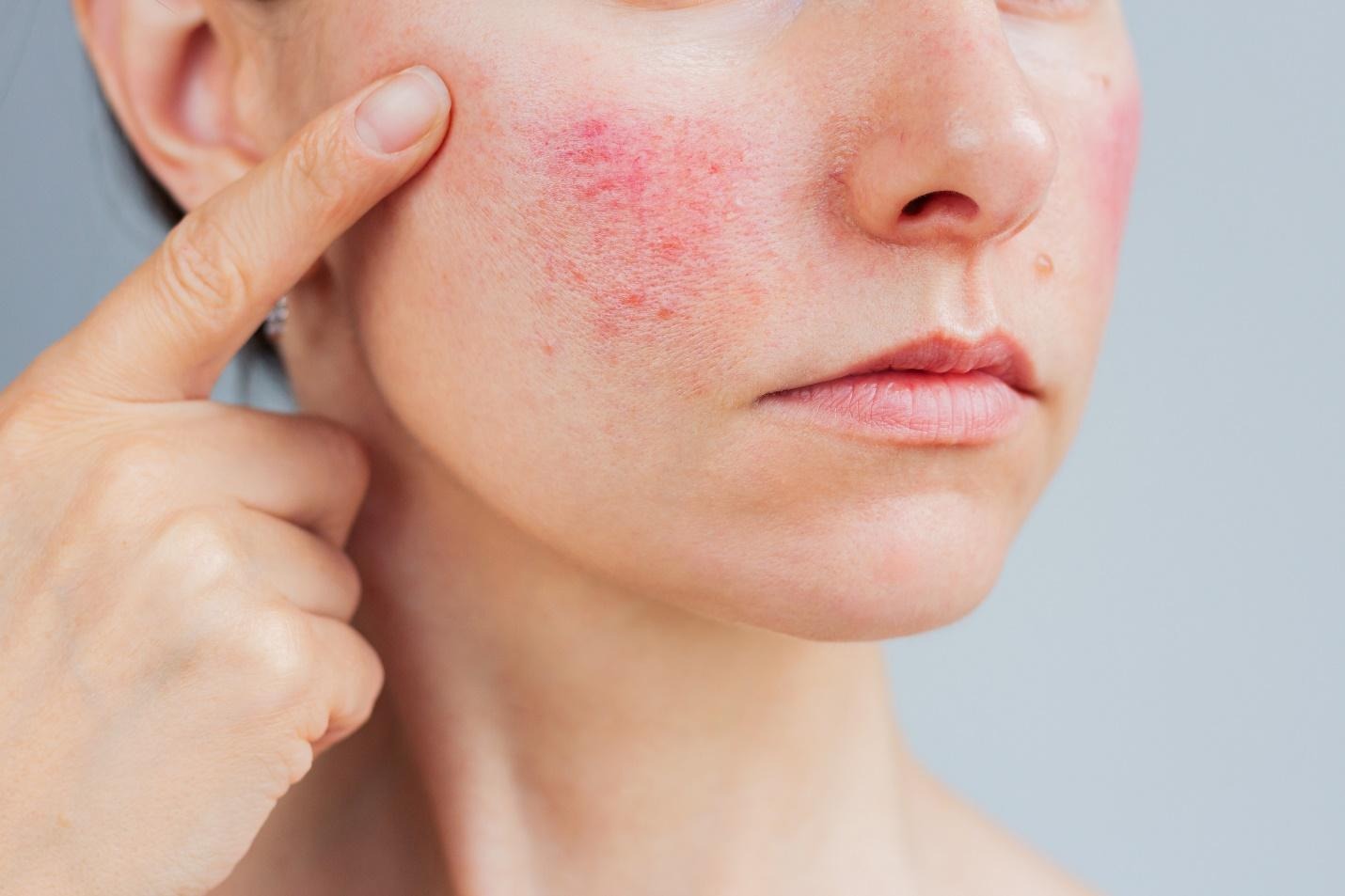
Persistent facial redness, flushing or visible blood vessels can affect both skin appearance and comfort. These concerns often arise when superficial blood vessels become enlarged or remain permanently dilated close to the skin surface. 

Redness-related skin concerns are common and may be influenced by factors such as genetics, sun exposure, rosacea, ageing or sensitive skin. While soothing skincare products can help calm irritation, they cannot remove established blood vessels.

What are vascular and redness lasers?

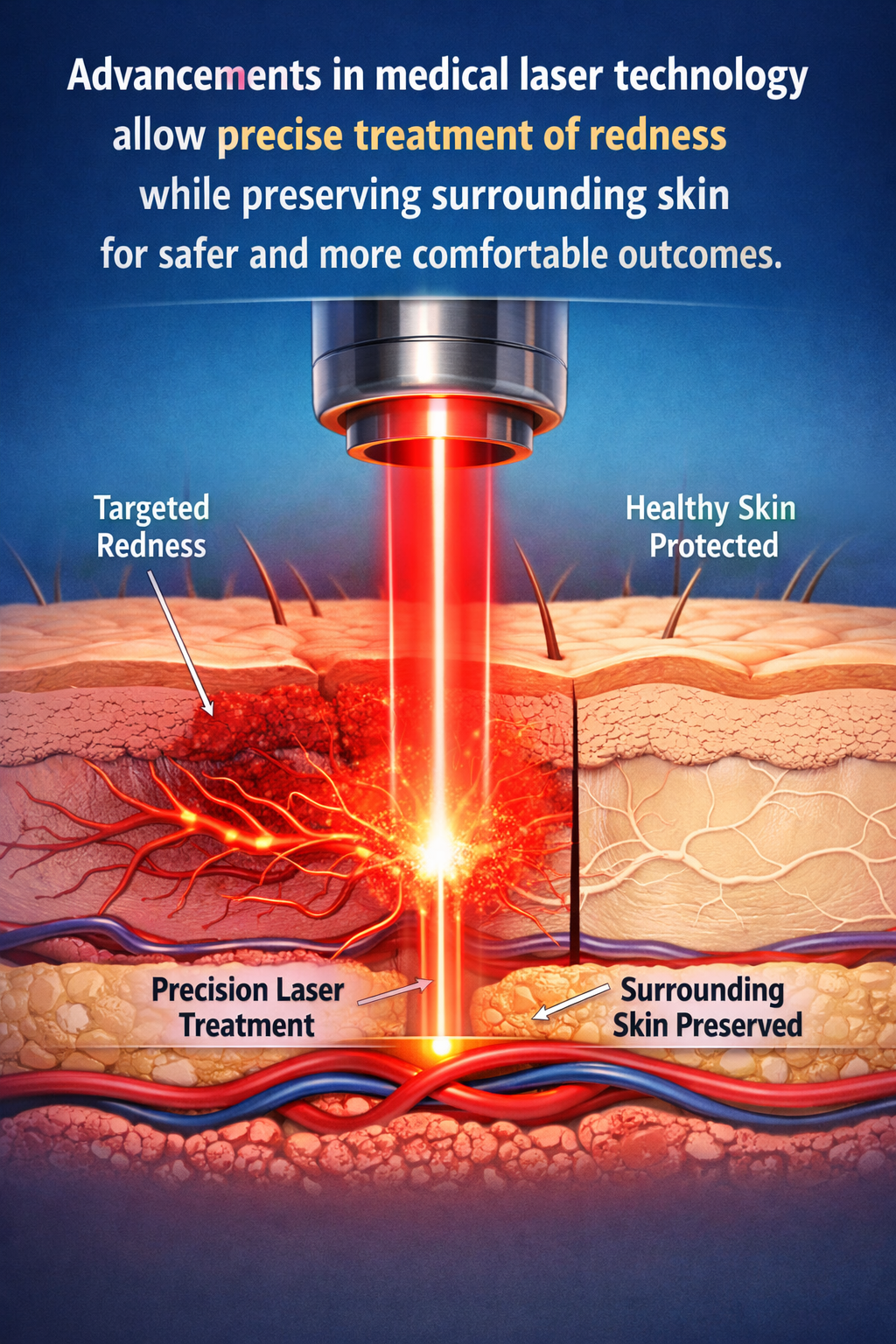
Vascular and redness lasers are medical-grade laser systems designed to treat abnormal or visible blood vessels in the skin. These lasers emit specific wavelengths of light that are selectively absorbed by haemoglobin, the pigment found within blood.

By targeting blood vessels while preserving surrounding skin, these lasers allow precise treatment of redness, even in delicate areas such as the face and neck. This makes them suitable for a range of vascular concerns, including:

How do vascular and redness lasers work?

Different vascular laser systems are designed to treat redness at varying skin depths and vessel sizes. The choice of technology depends on the type of redness, vessel size and depth, skin tone and the treatment area.

Common vascular laser technologies include:

  • Pulsed Dye Lasers (PDL) – these lasers emit light that is strongly absorbed by oxyhaemoglobin, making them highly effective for superficial vascular conditions such as facial redness, rosacea, port-wine stains and superficial capillaries. Short pulse durations allow targeting while limiting thermal spread to surrounding tissue.
  • Nd:YAG Lasers (Long-pulsed) – the lasers penetrate deeper into the skin and are commonly used to treat larger or deeper blood vessels. Their longer wavelength allows safer treatment in darker skin tones, as less energy is absorbed by surface pigment.
  • KTP Lasers (532 nm) – these lasers are often used for superficial redness and fine telangiectasia. With strong absorption by haemoglobin, they offer controlled precision for surface vessels, and are typically best suited for lighter skin types.
modern vascular laser technology for redness reduction.
Advancements in medical laser technology allow precise treatment of redness while preserving surrounding skin for safer and more comfortable outcomes.

How do vascular and redness lasers reduce visible blood vessels?

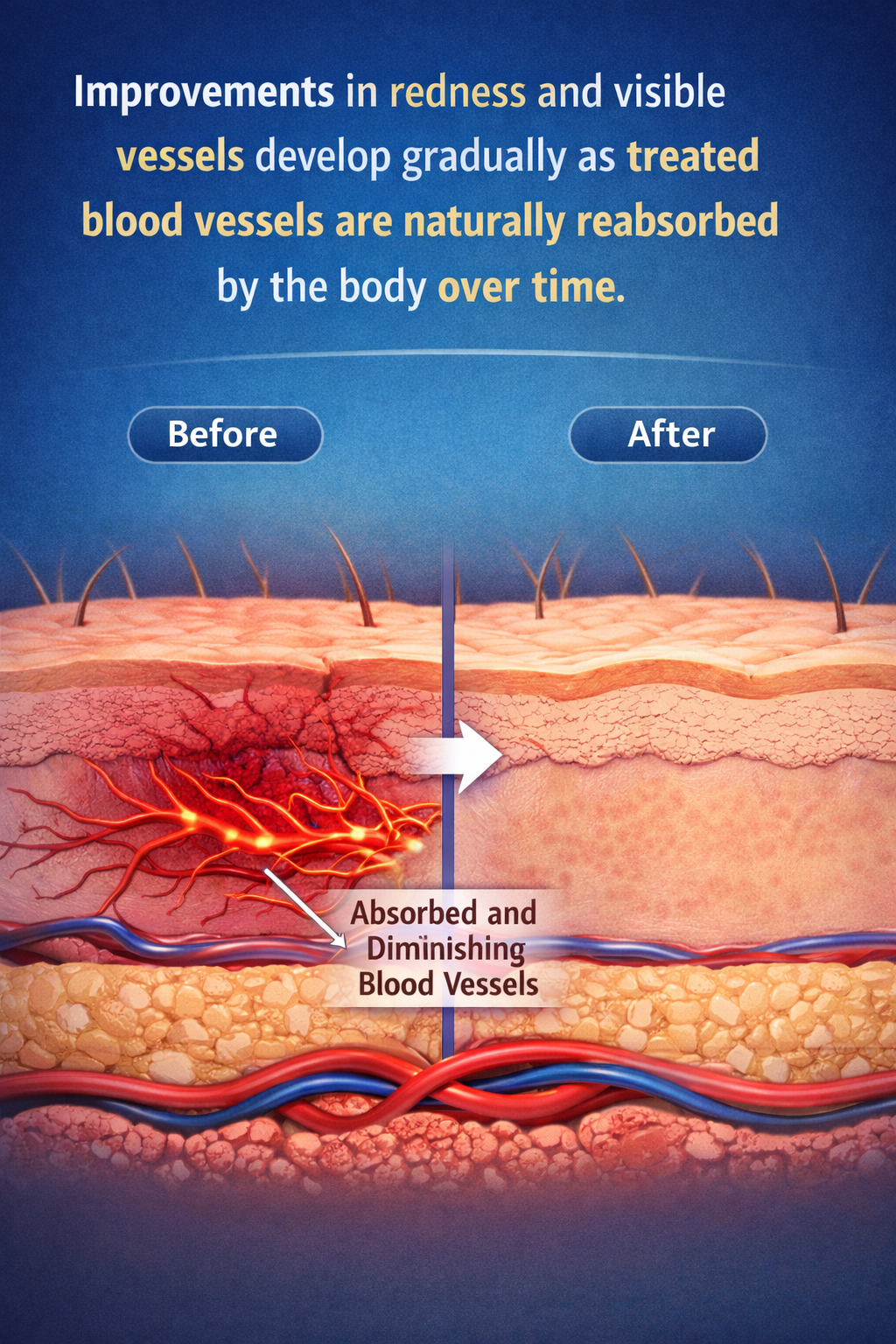
Effective vascular treatment relies on precision rather than excessive energy. When laser energy is absorbed, it generates controlled heat that damages the vessel wall. This causes the vessel to collapse and gradually be reabsorbed by the body over time.

Key principles behind effective redness reduction include:

  • Selective photothermolysis laser energy is absorbed preferentially by blood vessels rather than surrounding tissue
  • Depth-specific targeting different wavelengths penetrate to different vessel depths, allowing treatment of both superficial and deep vessels.
  • Controlled pulse duration matching pulse duration to vessel size improves efficacy while reducing the risk of bruising or inflammation

Common vascular laser wavelengths and applications

Wavelength (Laser Medium)Pulse ModesCommon UsesKey Notes
532 nm (KTP / frequency-doubled Nd:YAG)Long-pulsed
  • Facial redness
  • Fine capillaries
  • Superficial telangiectasia
Targets surface vessels effectively. Best suited for lighter skin types with careful parameter selection.
585–595 nm (Pulsed Dye Laser)PulsedStrong haemoglobin absorption with a good safety profile for superficial vascular lesions.
1064 nm (Nd:YAG)Long-pulsed (vascular applications)
  • Deeper vessels
  • Thicker vascular lesions
Deeper penetration with reduced epidermal absorption. Useful for selected darker skin tones and larger or deeper vessels.

What are the benefits of vascular and redness lasers?

The treatment offers several benefits, including:

Dermatological precision

  • Targets blood vessels while preserving the surrounding skin
  • Adjustable settings for different vessel depths and skin types
  • Suitable for delicate and sensitive facial areas

Treatment benefits

  • Reduces visible blood vessels and redness
  • Improves overall skin tone and clarity
  • Helps calm reactive or rosacea-prone skin
  • Minimal downtime with gradual, natural-looking results
vascular laser consultation and treatment assessment by a dermatologist.
A personalised consultation helps determine whether vascular laser treatment is suitable and ensures the correct settings are chosen for each skin type.

Each session is planned and guided by our dermatologist to ensure safety, comfort and optimal results. Treatment settings are tailored to your individual skin concerns. 

Before the session

Your consultation begins with a detailed skin assessment, including:

  • Evaluating the pattern, depth and distribution of redness
  • Identifying contributing factors such as dilated blood vessels, rosacea or post-inflammatory redness
  • Reviewing your medical history, current skincare routine and any previous treatments

This allows the treatment plan and laser parameters to be customised according to your skin type, the severity of redness and your treatment goals. In some cases, a test spot may be performed to assess skin response.

During the session

Once preparation is complete, the laser treatment itself is carefully performed to target visible blood vessels while maintaining skin safety and comfort.

You can expect:

  • Gentle cleansing of the skin and provision of protective eyewear
  • Controlled laser pulses are delivered to the targeted areas. Mild sensations, commonly described as brief warmth or a light snapping feeling
  • Use of built-in or external cooling to enhance comfort 

Treatment duration depends on the size and number of areas being treated:

  • Small areas such as the nose or cheeks may take only a few minutes
  • Larger or multiple treatment zones may require a longer session

After the session

Mild redness, warmth or slight swelling is common and usually settles within a few hours to a few days. In some cases, treated vessels may temporarily darken before gradually fading as the body clears them naturally.

Most patients can return to normal daily activities immediately.

Aftercare following vascular / redness laser treatment

Proper aftercare supports skin recovery and helps optimise treatment outcomes. Our dermatologist may advise you to:

  • Avoid direct sun exposure and excessive heat
  • Apply broad-spectrum sunscreen daily
  • Use gentle, fragrance-free skincare products
  • Avoid hot showers, saunas and strenuous exercise for a few days
  • Refrain from picking or rubbing treated areas
  • Follow personalised aftercare instructions provided during your visit

What results can you expect?

Results from vascular and redness laser treatment develop gradually as the body clears the treated blood vessels. You may notice:

  • Superficial vessels fade within days of treatment
  • Diffuse redness improving progressively over several weeks
  • Skin appears calmer, clearer and more even in tone with each session
  • Reduced frequency and intensity of redness flare-ups over time

How many sessions are needed?

The number of sessions required depends on the type and extent of redness being treated, as well as individual skin response.

In general:

  • Mild or superficial redness may improve after fewer sessions
  • Deeper, widespread or long-standing redness often requires a series of treatments
  • Sessions are typically spaced several weeks apart to allow the skin to recover and respond
vascular laser results over time for redness reduction.
Improvements in redness and visible vessels develop gradually as treated blood vessels are naturally reabsorbed by the body over time.

Our dermatologist will recommend a personalised treatment plan following your skin assessment and will adjust the approach based on how your skin responds to treatment.

Summary

early assessment for facial redness and vascular laser treatment.
Improvements in redness and visible vessels develop gradually as treated blood vessels are naturally reabsorbed by the body over time.

Vascular and redness laser treatment is a safe and effective dermatological option for reducing persistent redness and visible blood vessels. By selectively targeting abnormal vessels beneath the skin, the treatment helps restore a more balanced and even complexion with minimal downtime.

At Dermatology Collective, each treatment is guided by dermatological expertise and customised laser technology, ensuring precision, safety and results aligned with your individual skin needs.

Contact us today to schedule a personalised consultation and discover if this treatment is for you.

Frequently Asked Questions (FAQs)

When performed by a qualified dermatologist using appropriate technology and settings, vascular laser treatment is considered safe and effective. Proper assessment and parameter selection are essential to minimise the risk of side effects.
Most patients experience only mild, short-lived discomfort, often described as a warm or snapping sensation. Cooling systems are typically used to improve comfort during treatment.
Vascular laser treatment can be performed on many skin types, but suitability depends on factors such as skin tone, redness pattern and the type of vessels involved. A dermatologist's assessment is essential to select the safest laser settings and minimise the risk of side effects.
Laser treatment helps reduce visible redness and dilated blood vessels associated with rosacea, but it does not cure the condition. Long-term management often includes appropriate skincare, trigger avoidance and, in some cases, medical treatment.
Treatment time depends on the size and number of areas treated. Sessions usually range from a few minutes for small areas to around 20 to 30 minutes for more extensive redness.
Treated blood vessels do not return. However, new vessels may develop over time due to factors such as sun exposure, genetics, ageing or underlying skin conditions.
Side effects are generally mild and temporary. These may include redness, swelling or temporary darkening of treated vessels. Serious complications are uncommon when treatment is performed by an experienced dermatologist.
Yes. Vascular lasers are often combined with other dermatological treatments such as pigment lasers, medical-grade skincare or rosacea management plans to achieve optimal results.

Partnering You

with Trusted, Scientific Skin Care Across Every Stage of Life.

This article has been medically reviewed by Dr Kok & Dr Kong
Dr Kok & Dr Kong are experienced dermatologists with extensive expertise in treating children and adults across general, paediatric and aesthetic dermatology. They specialise in managing complex skin conditions, surgery and advanced therapies, delivering personalised care backed by strong clinical and academic excellence.

Types  of dermatology

At Dermatology Collective, we believe your skin needs are unique.
We’re more than a clinic; we’re a partnership. Together, it is our collective responsibility, where decisions are shared. We will listen to you, support you, and help you feel confident in your skin—because your skin health journey matters to us as much as it matters to you.


    Insurance Panels

    Corporate Insurance:

    • DA adept health
    • MHC
    • Alliance
    • Whitecoat
    • Fullerton health
    • IHP
    • Cigna International
    • Parkway Shenton/iXchange

    Insurance Partners:

    • GE
    • Prudential
    • AIA
    • NTUC income
    • HSBC Life
    • Singlife

    Our clinics are Baby Bonus Approved Institutions (AIs), so you can use your Child Development Account (CDA) when you consult our dermatologists! All you need to do is to ensure your card is activated as the payment mode is similar to NETS and requires a pin number.

    Ngee Ann City

    391B Orchard Road
Ngee Ann City Tower B #13-10/10A
Singapore 238874
    Operating Hours:

    Weekdays | 8:30 AM – 5PM
    Saturdays | 8:30 AM – 1:00 PM
    Sundays | Closed

    Whatsapp | +65 8226 1514

    Get direction

    HMI Medical Centre (Farrer Park)

    12 Farrer Park Station Road #05-01
Singapore 217565
    Operating Hours:

    Weekdays | 8:30 AM – 5PM
    Saturdays | 8:30 AM – 1:00 PM
    Sundays | Closed

    Whatsapp | +65 8300 3013

    Get direction
    Ngee Ann City
    391B Orchard Road
Ngee Ann City Tower B #13-10/10A
Singapore 238874
    HMI Medical Centre (Farrer Park)
    12 Farrer Park Station Road #05-01
Singapore 217565

    At Dermatology Collective, we believe your skin needs are unique.

    We’re more than a clinic; we’re a partnership. Together, it is our collective responsibility, where decisions are shared. We will listen to you, support you, and help you feel confident in your skin—because your skin health journey matters to us as much as it matters to you.

    © 2025 Dermatology Collective Clinic & Surgery. All Rights Reserved.
    magnifiercrosschevron-down
    WhatsApp (NAC) whatsapp
    WhatsApp (HMC) whatsapp
    chat