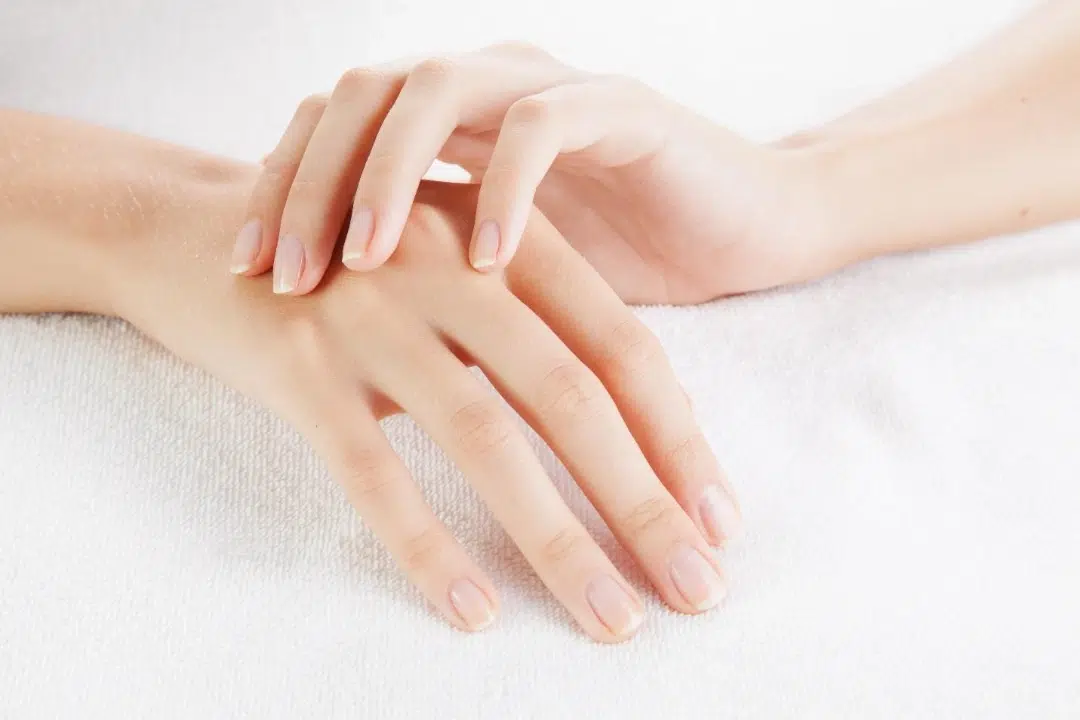
Nail Disorders

Table of contents

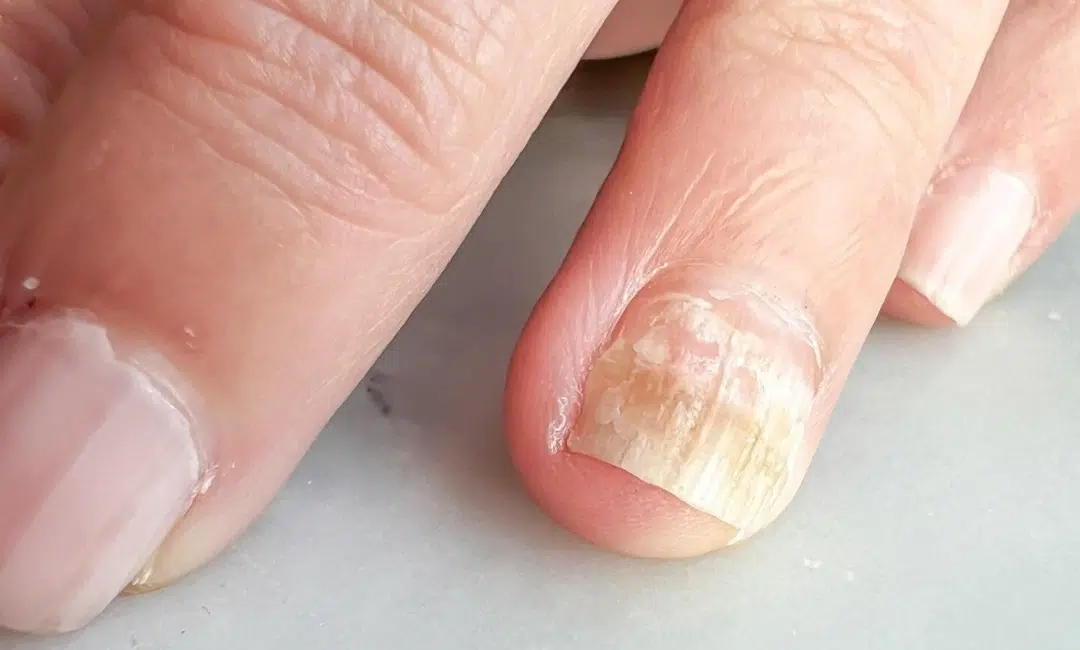
nail fungal Singapore.
Nail fungus is a common infection that affects the nail plate and nail bed, often causing thickening, discolouration and brittle nails.

What are nail disorders?

Nail disorders refer to conditions that affect the appearance, structure or growth of the fingernails and toenails. They may develop as a result of infection, inflammation, trauma or underlying medical problems.

Changes in nail colour, texture or thickness can provide important clues about skin or systemic health. While many nail problems are harmless, some may cause pain, limit daily activities or affect confidence. 

What are the different types of nail disorders?

Nail disorders can arise from infection, inflammation, trauma or systemic illness. Recognising these appearances helps guide accurate diagnosis and appropriate treatment.

Changes in nail thickness or texture

  • Fungal nail infection (onychomycosis) – thickened, brittle or crumbly nails with discolouration
  • Nail psoriasis – pitting, ridging or thickened nails with yellowish patches
  • Lichen planus – thin, ridged, brittle nails with surface dullness
  • Eczema-related nail changes – peeling, rough or uneven nail surface

Redness, swelling or skin changes around the nail

  • Paronychia – redness, swelling or pus around the nail fold
  • Ingrown toenail – nail edge curves into surrounding skin, causing pain and inflammation

Pigment and colour changes

  • Melanonychia – brown or black streaks running along the nail
  • Leuconychia – white spots or lines on the nail
  • Pseudomonas nail infection – greenish discolouration beneath the nail
  • Yellow nail syndrome – thickened, yellow nails with slow growth

Nail shape or growth abnormalities

  • Koilonychia (spoon nails) – nails curve outward or appear concave
  • Clubbing – rounded, bulbous nails with loss of normal nail angle
  • Beau’s lines – horizontal grooves across the nail plate

Nail damage or distortion

  • Nail trauma – bruising, lifting or deformity after injury or repeated pressure
  • Habit-tic deformity – central groove or ridging from repeated cuticle manipulation
  • Periungual warts – rough, raised growths near or under the nail edge
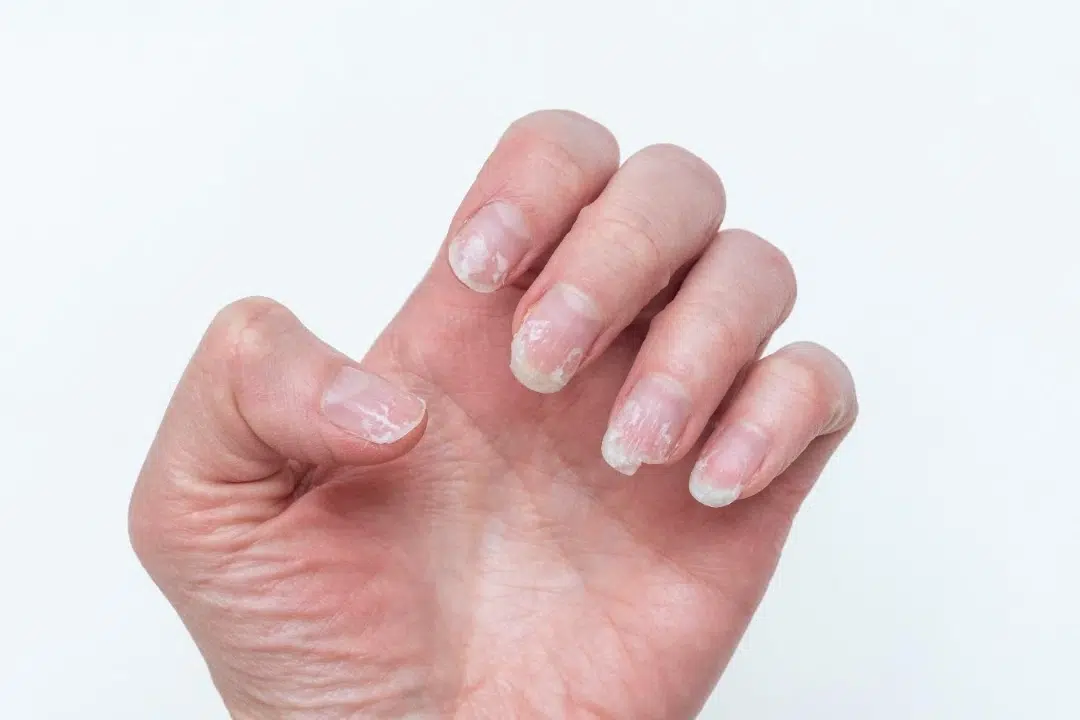
what causes brittle nails.
Repeated exposure to moisture, chemicals or trauma can weaken the nail’s natural barrier, making it more prone to infections and structural problems.

What causes nail disorders?

Nail changes often reflect disruption to the nail plate, nail bed or surrounding skin. These disruptions can arise through several broad mechanisms. This includes:

  • Infections fungi, bacteria or viruses can enter the nail or surrounding skin, especially in warm, humid environments or when the nail barrier is weakened. Moisture, shared facilities and minor trauma increase risk.
  • Inflammatory and autoimmune processes chronic inflammation can disrupt nail cell production, affecting the nail matrix and leading to surface changes, thickening or detachment.
  • Systemic and nutritional factors reduced circulation or deficiencies in iron, zinc or protein can slow nail growth and weaken nail structure. Endocrine or metabolic conditions may also alter nail appearance.
  • Environmental and chemical exposure frequent contact with water, detergents or nail products can thin or soften the nail plate, making it more fragile and prone to damage or infection.
  • Trauma and repetitive pressure injury, tight footwear or habitual cuticle manipulation can damage the nail and interfere with normal growth, resulting in deformity.
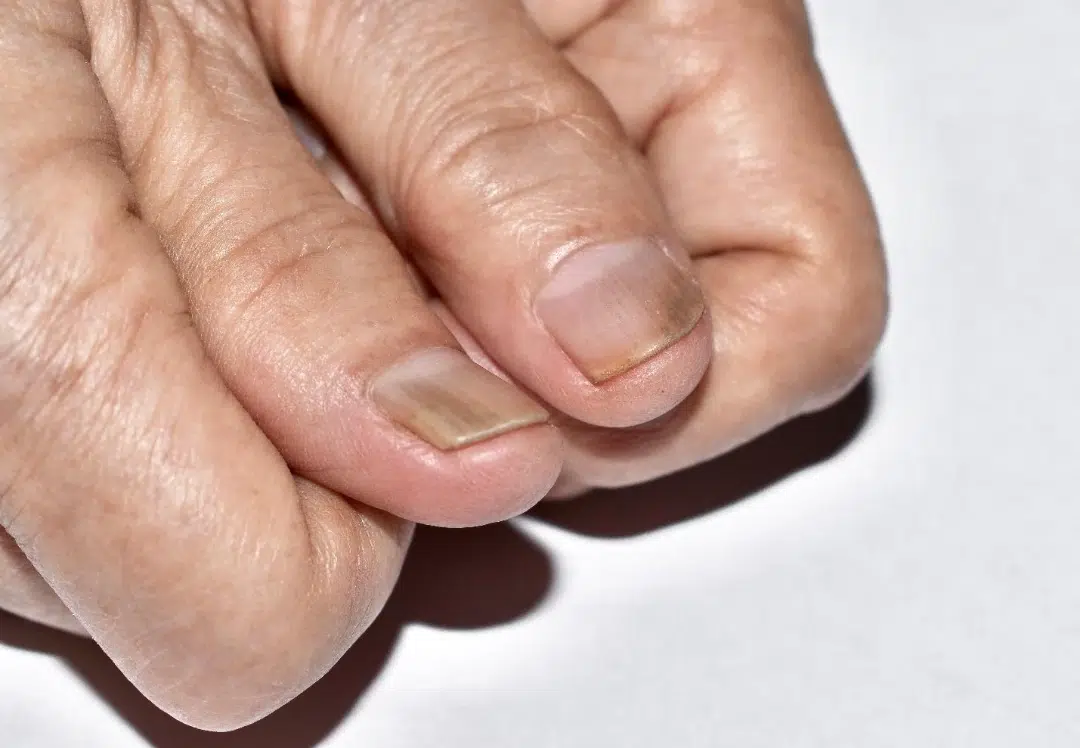
why nails change colour.
Changes in nail colour, such as yellowing, dark streaks or white spots, can indicate infection, trauma or underlying health conditions.

What are the symptoms of nail disorders?

The appearance and symptoms vary according to the cause. However, most nail disorders share visible or structural changes that can affect one or multiple nails.

Colour changes

  • Nails may appear yellow, white, brown, black or green
  • Often indicates infection, trauma or underlying health issues

Structural changes

  • Thickened, brittle or crumbly nails
  • Splitting, ridging or lifting from the nail bed
  • Uneven surface texture or growth

Pain and inflammation

  • Redness or swelling around the nail fold
  • Tenderness or discomfort, especially with ingrown nails or infection


Who is at risk of nail disorders in Singapore?

Nail disorders can occur at any age, but certain factors increase the likelihood of developing them. In Singapore’s warm and humid environment, infections and moisture-related problems are particularly common.

  • Older adults – slower nail growth and decreased immunity increase susceptibility to fungal or bacterial infections.
  • Family history a genetic tendency toward conditions such as psoriasis or eczema can predispose individuals to nail involvement.
  • History of chronic health conditions those with diabetes or circulatory problems have reduced healing ability, making infections more likely.
  • History of skin diseases eczema, psoriasis and lichen planus frequently extend to the nails and surrounding skin.
  • Poor nail hygiene or excessive grooming improper trimming, harsh nail tools or repeated manicures may cause microtrauma and damage.
  • Athletes or frequent gym users tight footwear, friction and shared facilities increase the risk of nail trauma and fungal spread.
  • Workers in wet or humid environments occupations such as cleaners, food handlers or healthcare workers involve frequent water exposure, which softens nails and raises infection risk.
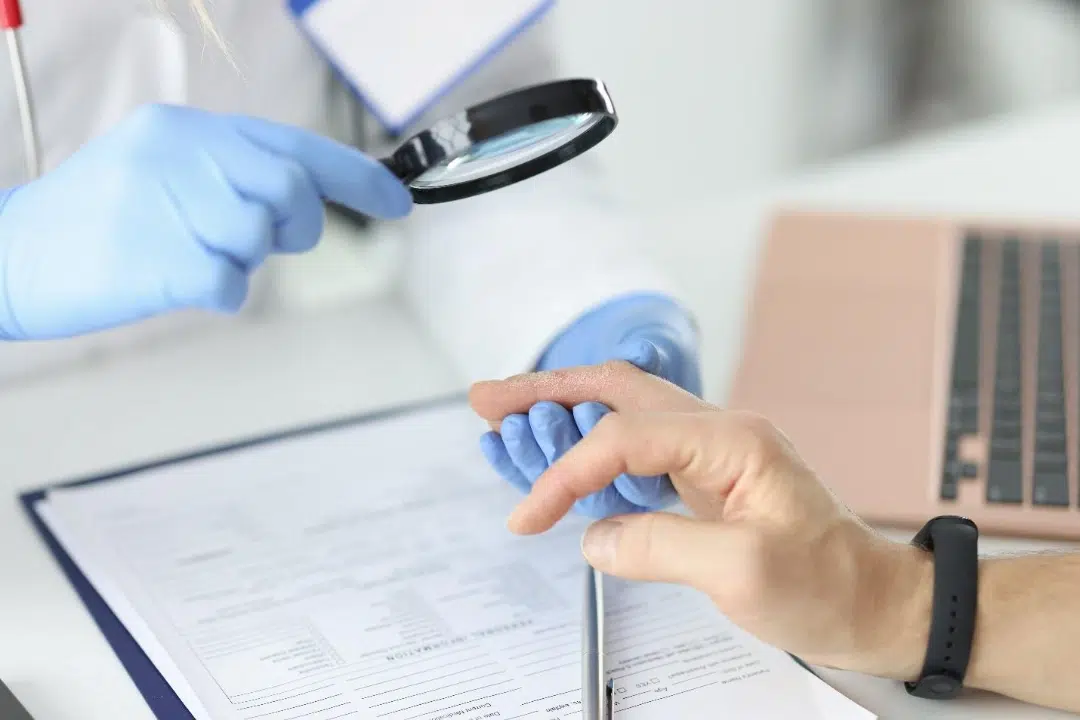
dermatologist for nail disorders.
Consulting a dermatologist ensures accurate diagnosis and personalised treatment, helping prevent complications and protect nail health.

How are nail disorders diagnosed?

Diagnosing nail disorders involves a thorough clinical assessment supported by targeted diagnostic tools. The goal is to determine the underlying cause, whether local, systemic or traumatic, so that treatment can be tailored for the best results.

Generally, dermatologists combine visual examination with diagnostic tests to ensure a precise, informed and personalised diagnosis.

Clinical evaluation

Our dermatologist will carefully inspect the nails and surrounding skin, noting:

  • Nail colour, shape, thickness and surface changes
  • Presence of ridges, splitting or lifting
  • Pattern and extent of involvement across multiple nails
  • Personal and family history of nail or skin conditions
  • Lifestyle and occupational factors affecting nail health

Imaging and visual tools

  • Dermoscopy magnifies the nail and nail bed to identify subtle structural changes, pigmentation or signs of fungal or inflammatory disease.

Laboratory and supportive tests

  • Nail clippings or scrapings analysed for fungal or bacterial infections.
  • Swabs used to detect bacterial or viral pathogens.
  • Nail biopsy performed if pigmentation, tumour or unusual growth is suspected.
  • Blood tests help identify systemic causes such as nutritional deficiencies, endocrine disorders or chronic illness.

What are the treatment options for nail disorders in Singapore?

Not all nail changes require treatment. Management is individualised and depends on the diagnosis, severity and impact on daily life. Some conditions improve on their own, while others benefit from targeted therapy to reduce discomfort, restore nail appearance or prevent complications.

Treatment approaches may include:

  • Topical or oral therapies – prescribed when infection or inflammation is present, such as antifungal or anti-inflammatory medications. The choice and duration depend on the type and extent of the nail disorder.
  • Procedural interventions – in selected cases, procedures like nail removal, laser therapy or steroid injections may be recommended to support healing or correct structural problems.
  • Supportive care – simple measures such as proper trimming, moisture management, protective gloves or footwear help maintain nail health, reduce trauma and prevent infection.

Our dermatologist will determine which approach is appropriate for each individual, ensuring treatment is safe, effective and tailored to your needs.

Summary

Nail disorders can affect comfort, daily activities and confidence. Early assessment by a dermatologist ensures accurate diagnosis and personalised care. With the right approach, most nail problems can be effectively managed, helping you maintain healthy nails and prevent long-term complications.

Book an appointment today to take proactive steps for your nail health.

nail health.
Early attention to nail changes and preventive care can maintain strong, healthy nails and reduce the risk of long-term damage.

Frequently Asked Questions (FAQs)

Yes, nail problems are fairly common due to factors like humid weather, frequent water exposure and cosmetic or occupational habits. Fungal infections, trauma-related issues and nail psoriasis are among the most frequent concerns.
Discolouration that appears suddenly, spreads quickly, is accompanied by pain, thickening, lifting or bleeding should be evaluated by a dermatologist. Some changes may signal infections or underlying health conditions.
Yes, fungal nail infections are contagious. They can spread through direct contact or shared items like nail tools, shoes or towels. Prompt treatment and good hygiene help prevent transmission.
Avoid further trauma and keep the area clean and dry. Seek assessment from a dermatologist to determine the cause and appropriate treatment, which may include topical or oral therapy or protective measures.
Treatment duration varies depending on severity and type of therapy. Oral antifungal medications usually take several months, while topical treatments may require consistent use for 6 to 12 months. Patience and adherence are key to full recovery.
These conditions are chronic and cannot be fully cured, but symptoms can be managed effectively. Topical or oral medications, procedural treatments and lifestyle measures help reduce flares and improve nail appearance.
Maintain nail hygiene, keep nails dry, trim them regularly, protect them from trauma and avoid harsh chemicals. Early attention to changes in colour, thickness or texture helps prevent long-term issues.

Partnering You

with Trusted, Scientific Skin Care Across Every Stage of Life.

This article has been medically reviewed by by Dr Kok & Dr Kong
Dr Kok & Dr Kong are experienced dermatologists with extensive expertise in treating children and adults across general, paediatric and aesthetic dermatology. They specialise in managing complex skin conditions, surgery and advanced therapies, delivering personalised care backed by strong clinical and academic excellence.

Types  of dermatology

At Dermatology Collective, we believe your skin needs are unique.
We’re more than a clinic; we’re a partnership. Together, it is our collective responsibility, where decisions are shared. We will listen to you, support you, and help you feel confident in your skin—because your skin health journey matters to us as much as it matters to you.


    Insurance Panels

    Corporate Insurance:

    • DA adept health
    • HMI
    • Alliance
    • Whitecoat
    • Fullerton health
    • IHP
    • Cigna International
    • Parkway Shenton/iXchange

    Insurance Partners:

    • GE
    • Prudential
    • AIA
    • NTUC income
    • HSBC Life
    • Singlife

    Our clinics are Baby Bonus Approved Institutions (AIs), so you can use your Child Development Account (CDA) when you consult our dermatologists! All you need to do is to ensure your card is activated as the payment mode is similar to NETS and requires a pin number.

    Ngee Ann City

    391B Orchard Road
Ngee Ann City Tower B #13-10/10A
Singapore 238874
    Operating Hours:

    Weekdays | 8:30 AM – 5PM
    Saturdays | 8:30 AM – 1:00 PM
    Sundays | Closed

    Whatsapp | +65 8226 1514

    Get direction

    HMI Medical Centre (Farrer Park)

    12 Farrer Park Station Road #05-01
Singapore 217565
    Operating Hours:

    Weekdays | 8:30 AM – 5PM
    Saturdays | 8:30 AM – 1:00 PM
    Sundays | Closed

    Whatsapp | +65 8300 3013

    Get direction
    Ngee Ann City
    391B Orchard Road
Ngee Ann City Tower B #13-10/10A
Singapore 238874
    HMI Medical Centre (Farrer Park)
    12 Farrer Park Station Road #05-01
Singapore 217565

    At Dermatology Collective, we believe your skin needs are unique.

    We’re more than a clinic; we’re a partnership. Together, it is our collective responsibility, where decisions are shared. We will listen to you, support you, and help you feel confident in your skin—because your skin health journey matters to us as much as it matters to you.

    © 2025 Dermatology Collective Clinic & Surgery. All Rights Reserved.
    magnifiercrosschevron-down
    WhatsApp (NAC) whatsapp
    WhatsApp (HMC) whatsapp
    chat