Nail Surgery

Table of contents

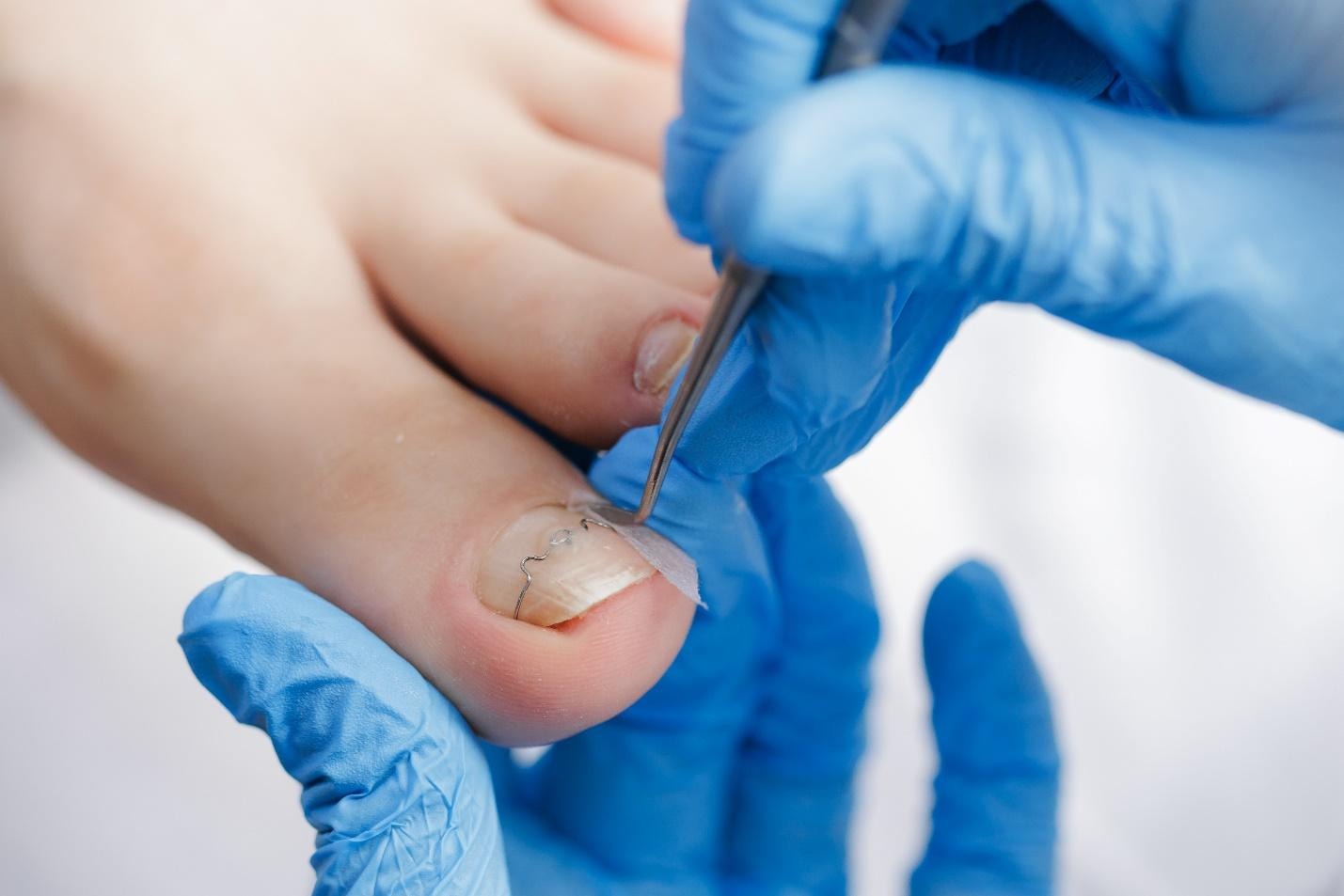
nail surgery for ingrown nails and recurrent nail problems.
Nail surgery addresses painful nail conditions such as ingrown nails by correcting the underlying structural issue rather than masking symptoms.

What is Nail Surgery?

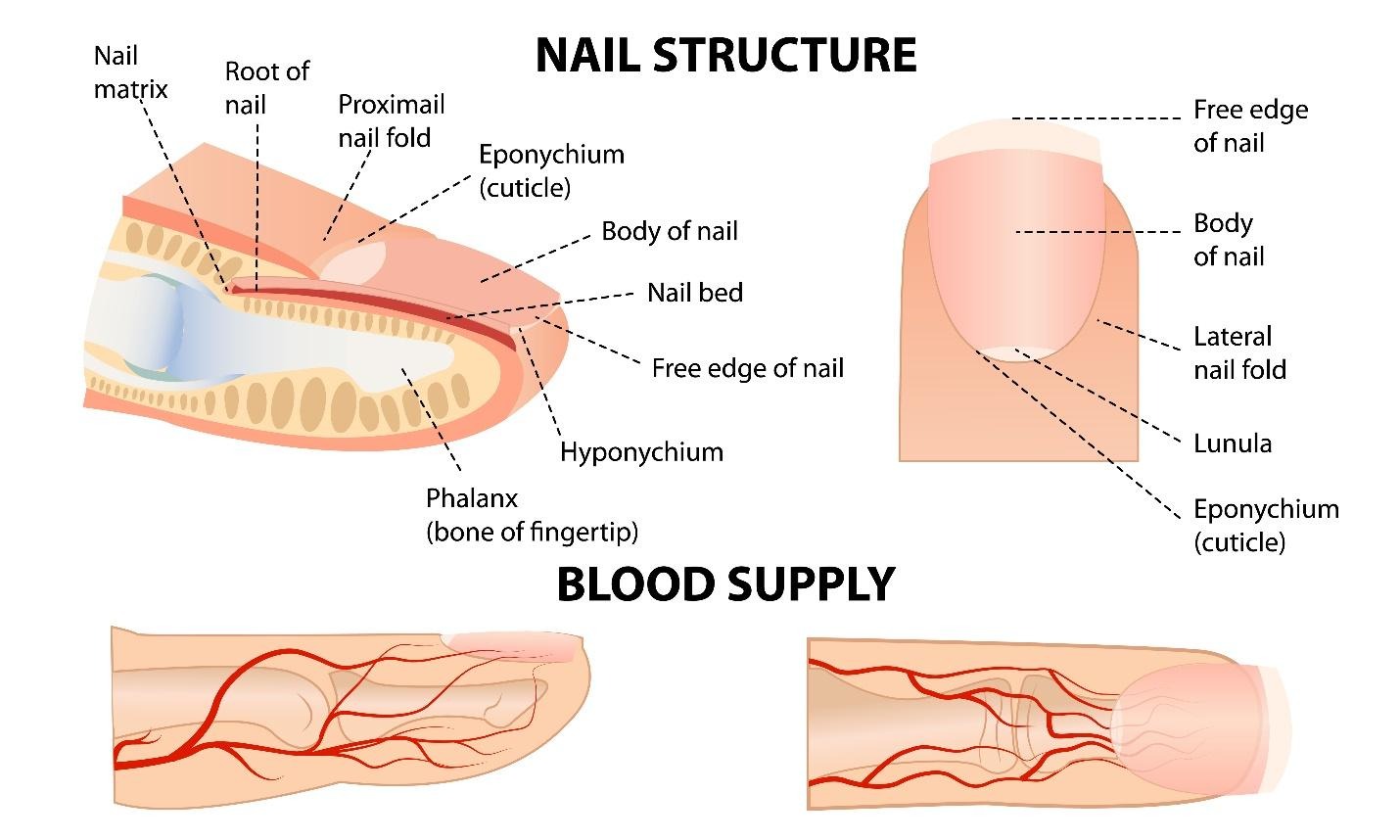
Nail surgery refers to minor surgical procedures performed on the nail unit. This includes the nail plate, nail bed and surrounding skin. In dermatology, these procedures can be performed for two main reasons:

  • Treatment of nail conditions – to relieve pain, correct abnormal nail growth or manage recurring nail problems such as ingrown nails or chronic infection.
  • Diagnostic assessment of nail disease – in some situations, a small portion of the nail or nail bed may be sampled through a nail biopsy to investigate suspicious lesions, pigmentation changes or unexplained abnormalities.

While many nail conditions can initially be managed with trimming techniques, footwear changes or medication, surgery may be considered when:

  • Symptoms are recurrent or worsening
  • Infection keeps returning
  • Pain interferes with walking or daily activities
  • The nail repeatedly grows into the skin
  • Conservative treatment has failed
  • A suspicious nail change requires diagnostic confirmation

Common conditions treated with Nail Surgery

Nail surgery may be recommended either to treat structural nail problems or to investigate suspicious nail changes. Some examples include:

  • Ingrown toenails – when the edge of the nail grows into the surrounding skin, causing pain, swelling or infection.
  • Recurrent nail infections – persistent inflammation or infection that does not respond adequately to medication 
  • Nail deformities – abnormally shaped or thickened nails that lead to pressure, pain or repeated trauma. 
  • Nail trauma complications – damaged nails that fail to heal properly or grow back abnormally.
  • Suspicious nail lesions – changes such as unusual pigmentation, dark streaks within the nail (melanonychia), growths or unexplained nail damage, may require nail biopsy or partial nail removal to establish a diagnosis.
nail surgery treatment addressing nail structure, nail matrix and pressure points causing chronic discomfort.
By targeting the section of the nail or nail matrix responsible for ongoing irritation, nail surgery allows the surrounding skin to heal properly and comfortably.

How does Nail Surgery work?

Nail surgery serves two main purposes in dermatology. It may be performed to correct structural nail problems causing pain, infection or repeated irritation. In other situations, a small surgical procedure may be carried out to investigate abnormal nail changes through a diagnostic biopsy.

Therapeutic Nail Surgery

Therapeutic nail surgery addresses the underlying structural cause of ongoing nail pain, inflammation or infection. Rather than repeatedly treating surface symptoms, the procedure corrects how the nail interacts with the surrounding skin, allowing the area to heal properly and reducing the risk of recurrence.

  • Correcting abnormal nail growth – when part of the nail grows into or presses against the surrounding skin, it causes ongoing irritation. Nail surgery removes or reshapes the problematic section so the nail no longer presses against the skin, helping reduce inflammation and repeated injury.
  • Targeting the nail matrix – in recurrent cases, the problem may originate from the nail matrix, the area responsible for nail growth. Treating the matrix prevents the affected portion of the nail from growing back in the same problematic way, helping reduce recurrence.
  • Reducing chronic inflammation and infection – persistent nail irritation can disrupt the skin barrier and make infection more likely. By removing the source of pressure and friction, nail surgery allows the surrounding tissue to settle and heal.
  • Restoring a healthier nail–skin relationship – the aim of nail surgery is to improve how the nail grows alongside the surrounding skin. When pressure and irritation are addressed, the area can heal more comfortably and remain less prone to future problems.

Diagnostic Nail Surgery

When a nail shows changes that cannot be clearly identified through examination alone, a nail biopsy may be recommended.

A nail biopsy involves removing a small portion of the nail plate, nail bed or surrounding tissue so it can be examined under a microscope. This helps doctors determine the underlying cause of the nail abnormality.

Diagnostic nail surgery may be considered when there are:

  • Persistent or unexplained nail changes
  • Pigmented streaks or dark bands within the nail (melanonychia)
  • Suspicious growths affecting the nail unit
  • Nail abnormalities that does not respond to standard treatment

The procedure is typically small and precise, aiming to obtain sufficient tissue for diagnosis while minimising disruption to the nail structure.

What are the benefits of Nail Surgery?

By addressing the underlying cause of the problem, nail surgery offers:

  • Relieves of pain and inflammation 
  • Improves function and daily comfort
  • Supports long-term nail health
  • Minimally invasive with predictable outcomes
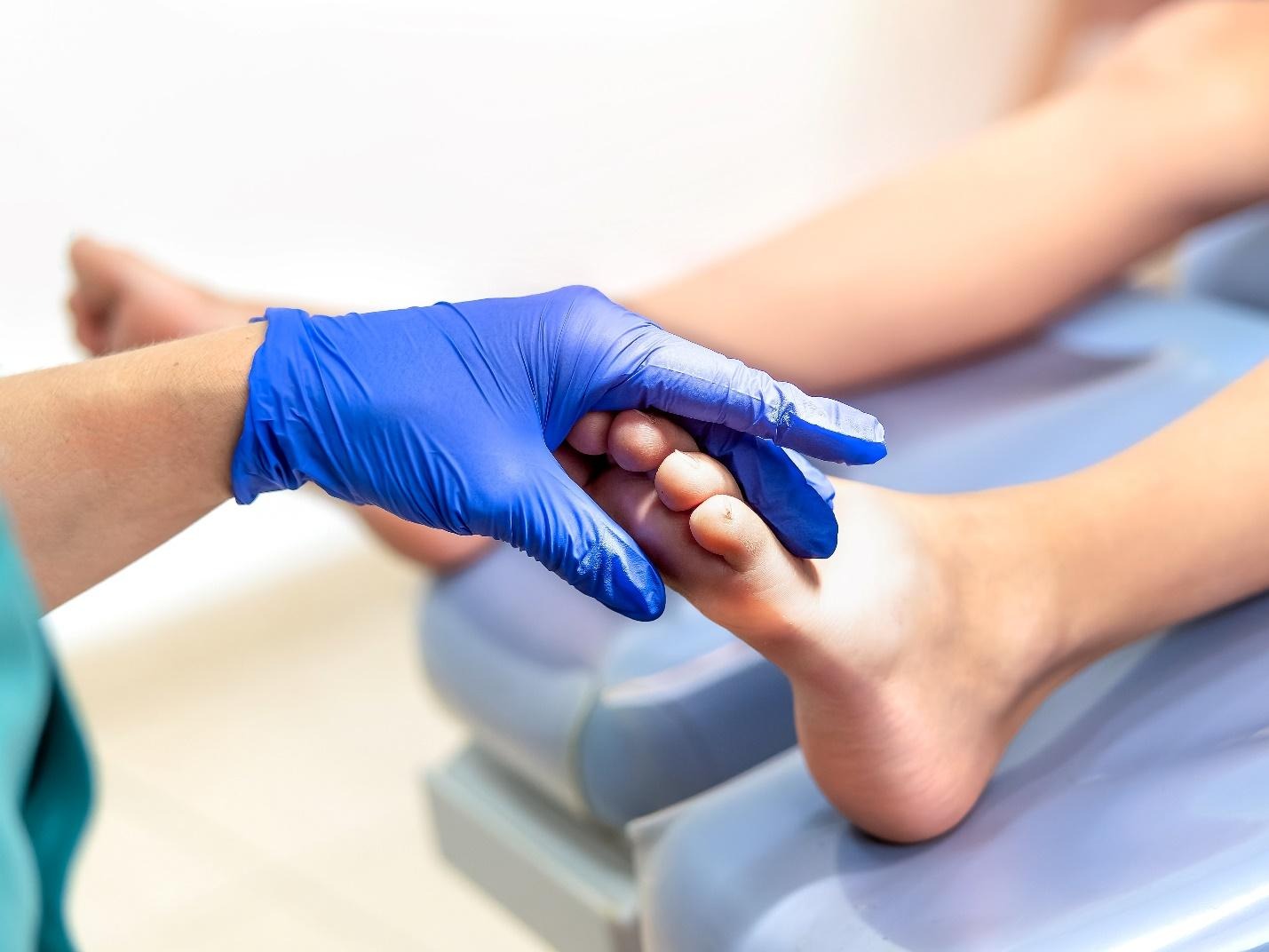
assessment for nail conditions to determine suitability for nail surgery.
Not all nail pain requires surgery. A proper assessment helps determine whether structural correction is necessary or if conservative care is more appropriate.

What happens during Nail Surgery?

The procedure is performed as a controlled in-clinic procedure. Depending on the condition, the procedure may involve correcting abnormal nail growth or performing a small diagnostic nail biopsy.

Before the procedure

A detailed assessment of the affected nail and surrounding skin is carried out to confirm the cause of symptoms and determine the most appropriate surgical approach. The procedure is explained clearly, including what to expect during healing and how to care for the area afterwards.

Local anaesthetic is then administered to numb the toe or finger completely, ensuring comfort throughout the treatment.

During the procedure

Once the area is fully numb, the problematic portion of the nail is addressed using precise techniques. Surrounding skin and healthy nail tissue are protected at all times to reduce trauma and support smooth healing.
While pain should not be felt, some pressure or movement sensations may be noticeable during the process.

The procedure itself typically takes between 20 and 40 minutes, depending on the complexity of the condition.

After the procedure

The treated area is cleaned and securely dressed to protect the skin and support healing. Clear instructions are provided before leaving the clinic.

Aftercare and recovery

Proper aftercare plays an important role in recovery and long-term results. Patients may be advised to:

  • Keep the area clean and dry for the first few days
  • Change dressings as instructions  and monitor for signs of infection
  • Avoid tight footwear or pressure on the treated area during early recovery
  • Use any prescribed topical or oral medications as directed 
  • Return for follow-up if needed to assess healing

Mild tenderness or discharge can occur in the initial days and usually settles as the skin recovers. Healing timelines vary slightly, but most patients are able to resume normal daily activities within a short period.

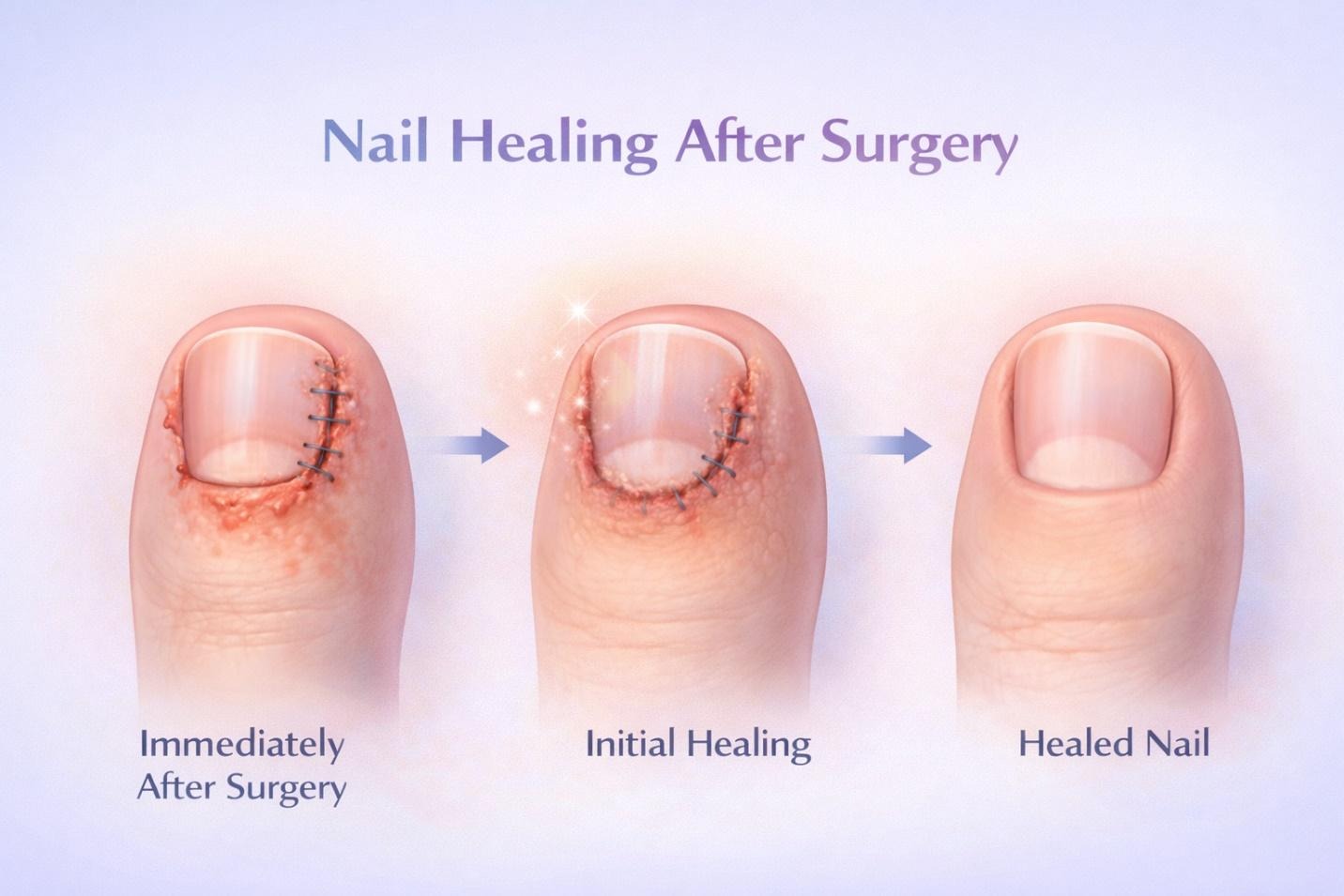
Nail surgery outcomes, including recurrence prevention and long-term relief.
Long-term results depend on the nail condition and whether the problematic portion of the nail is prevented from regrowing.

What results can you expect?

Improvements are usually noticeable once the initial inflammation settles and the treated area begins to heal. While recovery timeline vary, outcomes are focused on pain relief, resolution of infection and preventing  recurrence, rather than altering the cosmetic appearance of the nai.

Pain relief and comfort

  • Reduction in tenderness and throbbing around the affected nail
  • Improved comfort when walking, standing or wearing shoes
  • Decreased swelling and local inflammation as healing progresses

Resolution of infection and inflammation

  • Clearing of recurring redness, discharge or irritation
  • Healthier surrounding skin as pressure and trauma are removed
  • Reduced risk of ongoing or recurrent infection as the nail grows out more normally 

Reduced recurrence

  • Lower likelihood of the nail edge growing back into the skin when the nail matrix is treated
  • Sustained improvement for patients with recurrent or chronic nail problems

How many sessions are needed?

Nail surgery is usually completed in a single treatment session. Recovery and follow-up are structured to support proper healing.

Additional sessions are uncommon but may be advised if nail growth patterns or healing responses require monitoring. Our doctors will guide you on the appropriate timeline based on individual recovery.

Book an Appointment

nail surgery intervention to prevent complications.
Early treatment helps prevent worsening pain, infection and repeated inflammation, supporting healthier nail growth over time.

Nail surgery provides a targeted and effective solution for nail conditions. By correcting the structural source of the problem allows the surrounding skin to heal and helps restore comfort and confidence over time.

At Dermatology Collective, each procedure is guided by careful assessment and tailored planning. With precise technique and personalised aftercare, treatment is focused on achieving reliable outcomes while supporting smooth recovery.

If you would like your nail condition assessed, please get in touch with us to schedule an appointment.

Frequently Asked Questions (FAQs)

A nail biopsy is a small diagnostic procedure in which a portion of the nail plate, nail bed or surrounding tissue is sampled for laboratory analysis. It may be recommended when there are unusual nail changes such as persistent pigmentation, abnormal growths or unexplained nail damage that require further evaluation.
The procedure is performed under local anaesthesia, which numbs the area completely. Most patients do not feel pain during treatment. Mild tenderness or pressure may be experienced during recovery, but this is usually manageable and short-lived.
Yes, nail surgery is a well-established medical procedure when performed by a trained doctor using proper sterile technique. Careful assessment and appropriate aftercare help minimise complications.
Downtime is usually minimal. Most patients can walk immediately after the procedure. Strenuous activity, tight footwear or prolonged pressure on the treated area may be temporarily limited to support healing.
Initial healing typically occurs within one to two weeks. Full recovery, including stabilisation of the nail and surrounding skin, continues over several weeks, depending on the extent of treatment and individual healing response.
This depends on the type of nail surgery performed. In some cases, part of the nail matrix is treated to prevent the problematic portion from regrowing. Our doctor will explain whether regrowth is expected during the consultation.
Yes, by removing the source of ongoing irritation or pressure, nail surgery allows infection and inflammation to resolve more effectively and supports proper tissue healing.
When the underlying cause is addressed, especially through matrix treatment, the risk of recurrence is significantly reduced. This is particularly beneficial for patients with repeatedly ingrown or painful nails.
Suitability depends on overall health, nail condition and healing capacity. Nail surgery can be safely performed across different age groups following proper medical assessment.
Antibiotics are not always required. They may be prescribed if there is an active infection or an increased risk of complications. Our doctor will advise based on clinical findings.
Nail surgery may be recommended when pain, infection or nail deformity does not improve with conservative measures such as trimming, topical treatment or footwear adjustments.

In some cases, surgery may also be performed for diagnostic purposes, such as when a nail shows unusual changes, persistent pigmentation or suspicious lesions that require a nail biopsy to determine the underlying cause.

Partnering You

with Trusted, Scientific Skin Care Across Every Stage of Life.

This article has been medically reviewed by Dr Kok & Dr Kong
Dr Kok & Dr Kong are experienced dermatologists with extensive expertise in treating children and adults across general, paediatric and aesthetic dermatology. They specialise in managing complex skin conditions, surgery and advanced therapies, delivering personalised care backed by strong clinical and academic excellence.

Types  of dermatology

At Dermatology Collective, we believe your skin needs are unique.
We’re more than a clinic; we’re a partnership. Together, it is our collective responsibility, where decisions are shared. We will listen to you, support you, and help you feel confident in your skin—because your skin health journey matters to us as much as it matters to you.


    Insurance Panels

    Corporate Insurance:

    • DA adept health
    • MHC
    • Alliance
    • Whitecoat
    • Fullerton health
    • IHP
    • Cigna International
    • Parkway Shenton/iXchange

    Insurance Partners:

    • GE
    • Prudential
    • AIA
    • NTUC income
    • HSBC Life
    • Singlife

    Our clinics are Baby Bonus Approved Institutions (AIs), so you can use your Child Development Account (CDA) when you consult our dermatologists! All you need to do is to ensure your card is activated as the payment mode is similar to NETS and requires a pin number.

    Ngee Ann City

    391B Orchard Road
Ngee Ann City Tower B #13-10/10A
Singapore 238874
    Operating Hours:

    Weekdays | 8:30 AM – 5PM
    Saturdays | 8:30 AM – 1:00 PM
    Sundays | Closed

    Whatsapp | +65 8226 1514

    Get direction

    HMI Medical Centre (Farrer Park)

    12 Farrer Park Station Road #05-01
Singapore 217565
    Operating Hours:

    Weekdays | 8:30 AM – 5PM
    Saturdays | 8:30 AM – 1:00 PM
    Sundays | Closed

    Whatsapp | +65 8300 3013

    Get direction
    Ngee Ann City
    391B Orchard Road
Ngee Ann City Tower B #13-10/10A
Singapore 238874
    HMI Medical Centre (Farrer Park)
    12 Farrer Park Station Road #05-01
Singapore 217565

    At Dermatology Collective, we believe your skin needs are unique.

    We’re more than a clinic; we’re a partnership. Together, it is our collective responsibility, where decisions are shared. We will listen to you, support you, and help you feel confident in your skin—because your skin health journey matters to us as much as it matters to you.

    © 2025 Dermatology Collective Clinic & Surgery. All Rights Reserved.
    magnifiercrosschevron-down
    WhatsApp (NAC) whatsapp
    WhatsApp (HMC) whatsapp
    chat