TCA CROSS / Subcision for Acne Scars

Table of contents

personalised treatment options for acne scars.
Acne scars are common skin concerns that can be addressed with targeted treatments that help restore a smoother and more even texture.

Acne scars can persist long after breakouts have cleared, affecting not only the texture of your skin but also how light reflects across your face. These scars often sit deeper within the skin and may not respond well to topical treatments or standard lasers alone.

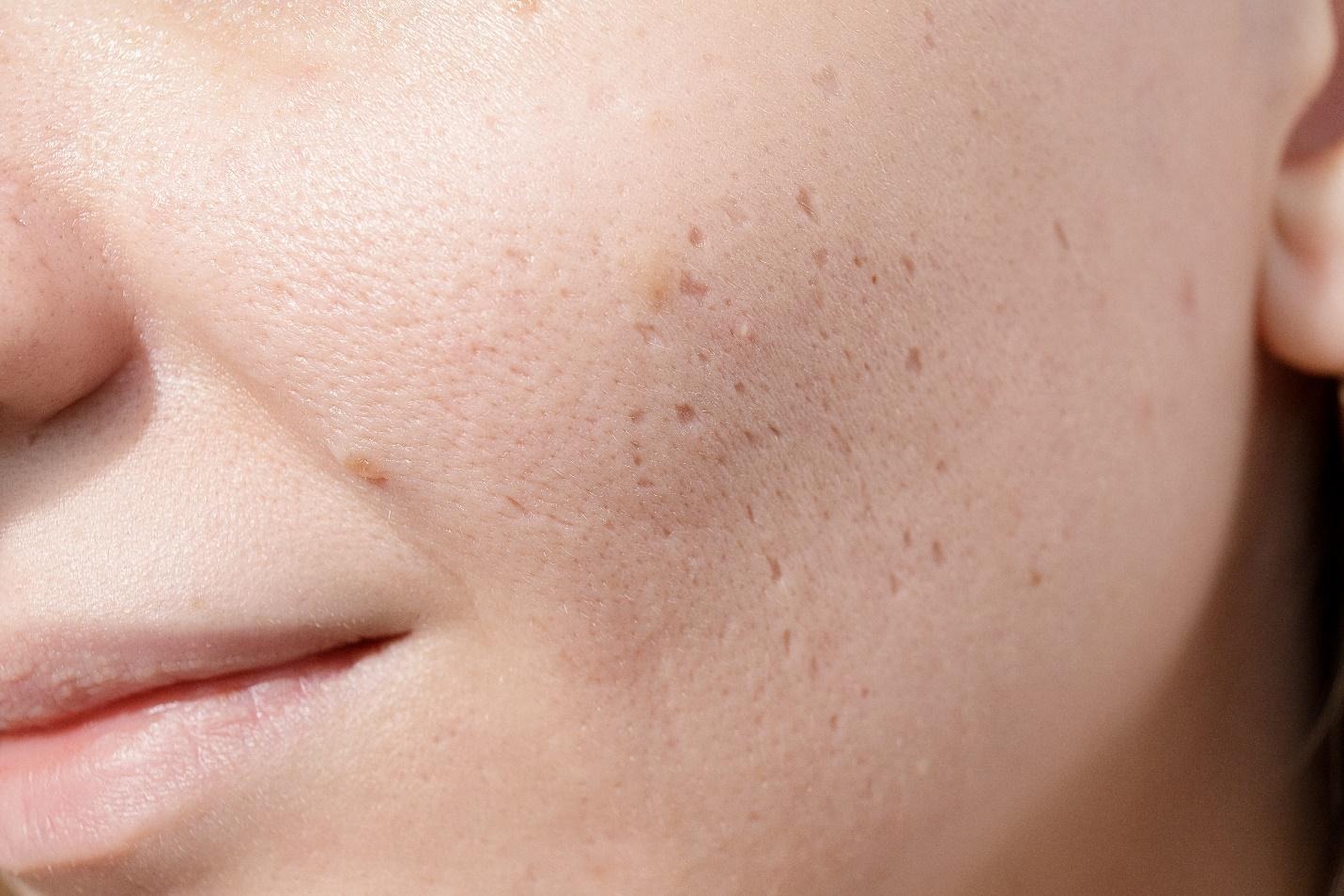
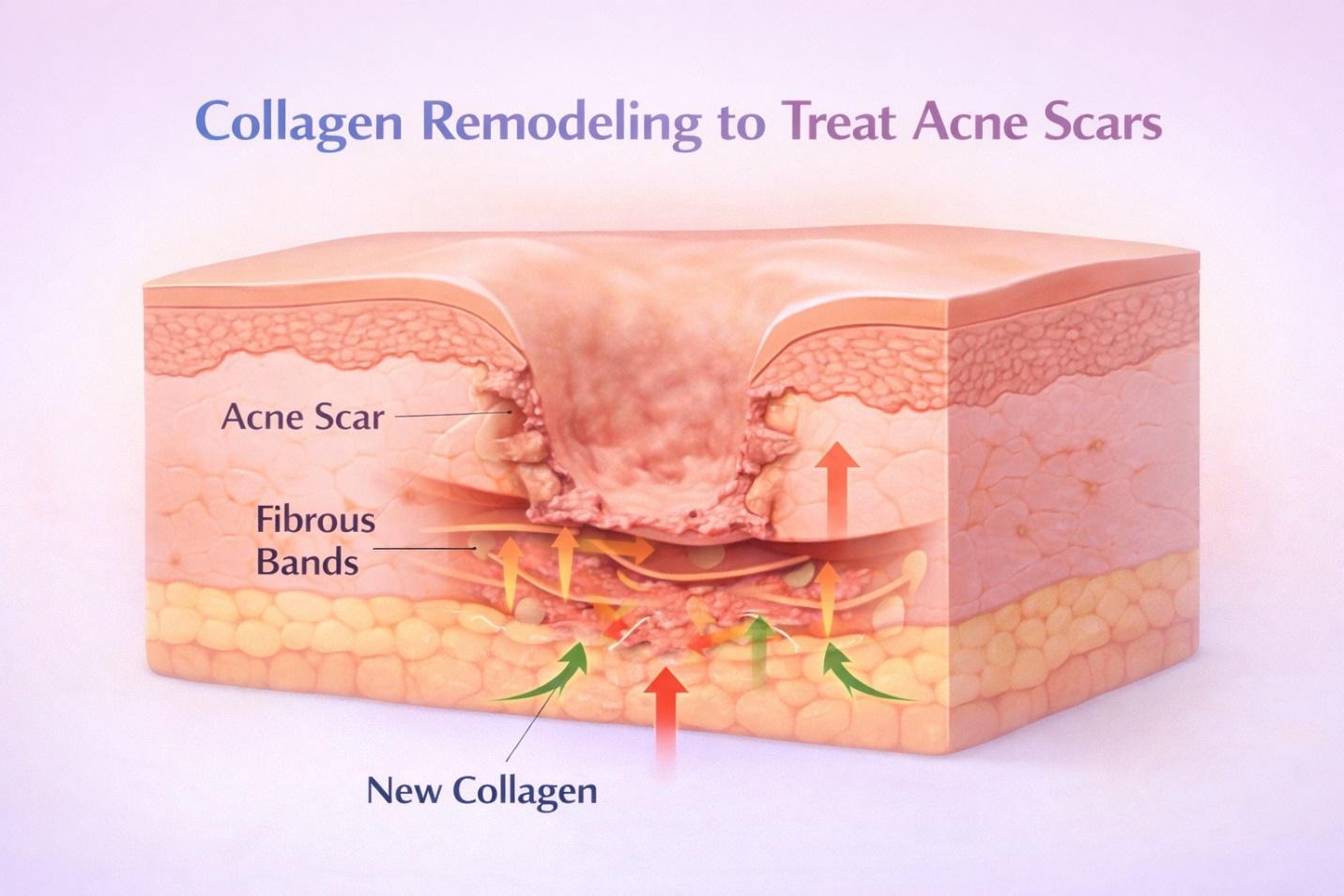
These scars develop when inflammation damages the deeper layers of the skin during healing. Instead of regenerating smoothly, the skin heals unevenly, leaving indentations, pits or depressed areas. Common scar types include icepick scars, boxcar scars and rolling scars, each with different structural characteristics. Because each scar varies in depth, shape and pattern, identifying the type of scar is essential in choosing the most effective treatment.

At Dermatology Collective, we use targeted techniques such as TCA CROSS (Trichloroacetic Acid Chemical Reconstruction of Skin Scars) and subcision to address scars at their structural source. Treatment plans are personalised to your skin type, scar pattern and overall skin health to restore a smoother texture and a more even appearance gradually.

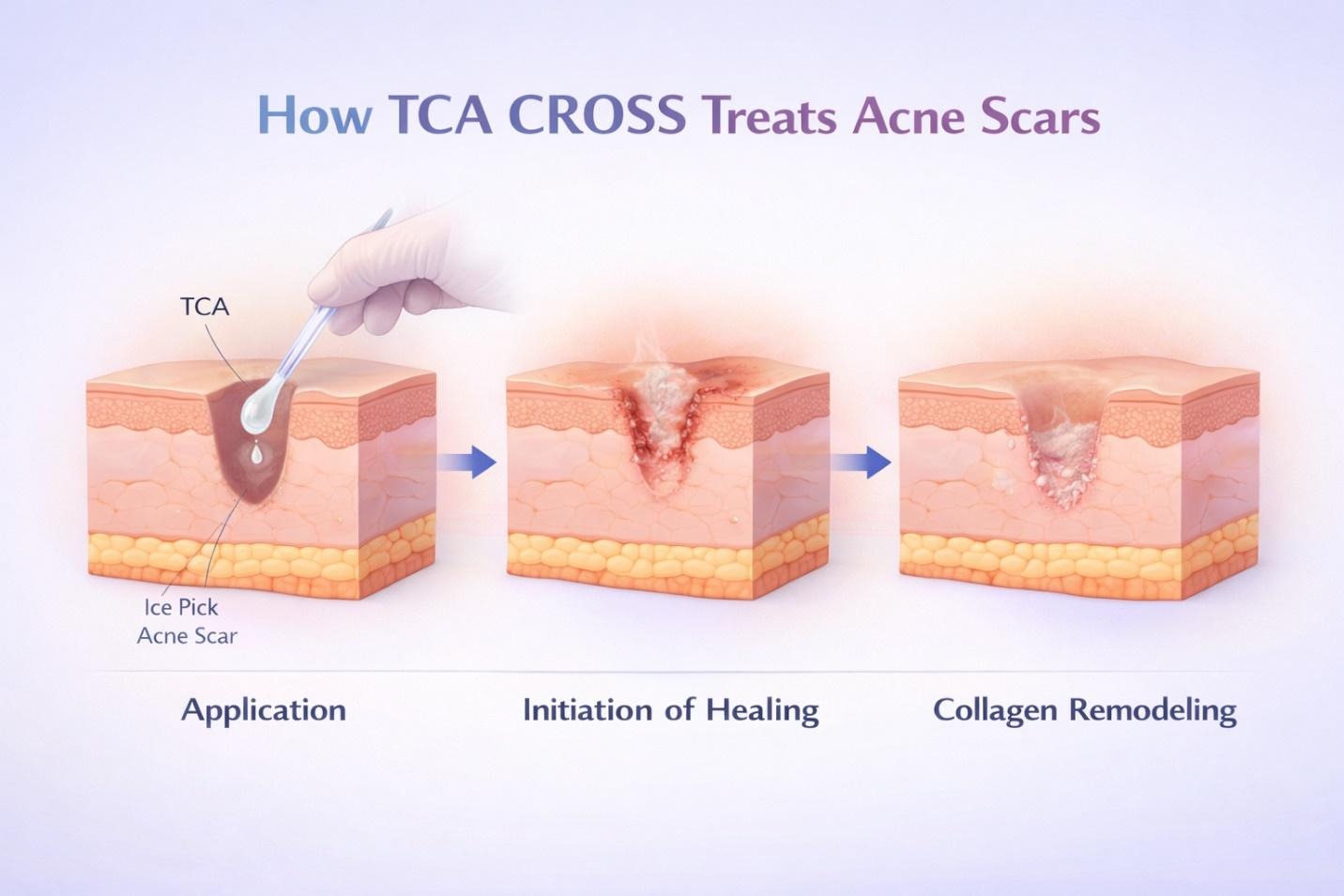
applying TCA CROSS to deep acne scars to promote natural collagen production.
TCA CROSS works from within the scar, stimulating collagen to gradually lift and smooth deep acne scars.

What is TCA CROSS?

TCA CROSS is a targeted chemical procedure designed to treat deep, narrow acne scars, particularly icepick scars and deep boxcar scars that are often resistant to topical treatments or conventional laser resurfacing. During the treatment, a small amount of high-strength trichloroacetic acid (TCA) is carefully applied directly into the base of each scar. This stimulates the skin’s natural collagen production, gradually lifting and smoothing the depressed areas without affecting surrounding healthy skin.

How does TCA CROSS work?

The treatment works by harnessing the skin’s natural healing and collagen remodelling processes.

  • Controlled chemical injury applying a high-strength trichloroacetic acid solution directly to the base of narrow scars causes a precise, localised injury. This is confined to the scar tissue, sparing surrounding healthy skin.
  • Stimulation of collagen production the controlled injury triggers the body’s wound-healing response, activating fibroblasts to produce new collagen within the scar.
  • Gradual scar lifting as collagen accumulates, the depressed scar gradually fills in from beneath the skin surface.
  • Selective targeting because TCA is applied only to the scar base, the surrounding epidermis remains intact, minimising the risk of unwanted pigment changes or surface damage.

TCA CROSS is particularly effective for icepick scars and deep, narrow scars that are resistant to surface-level treatments.

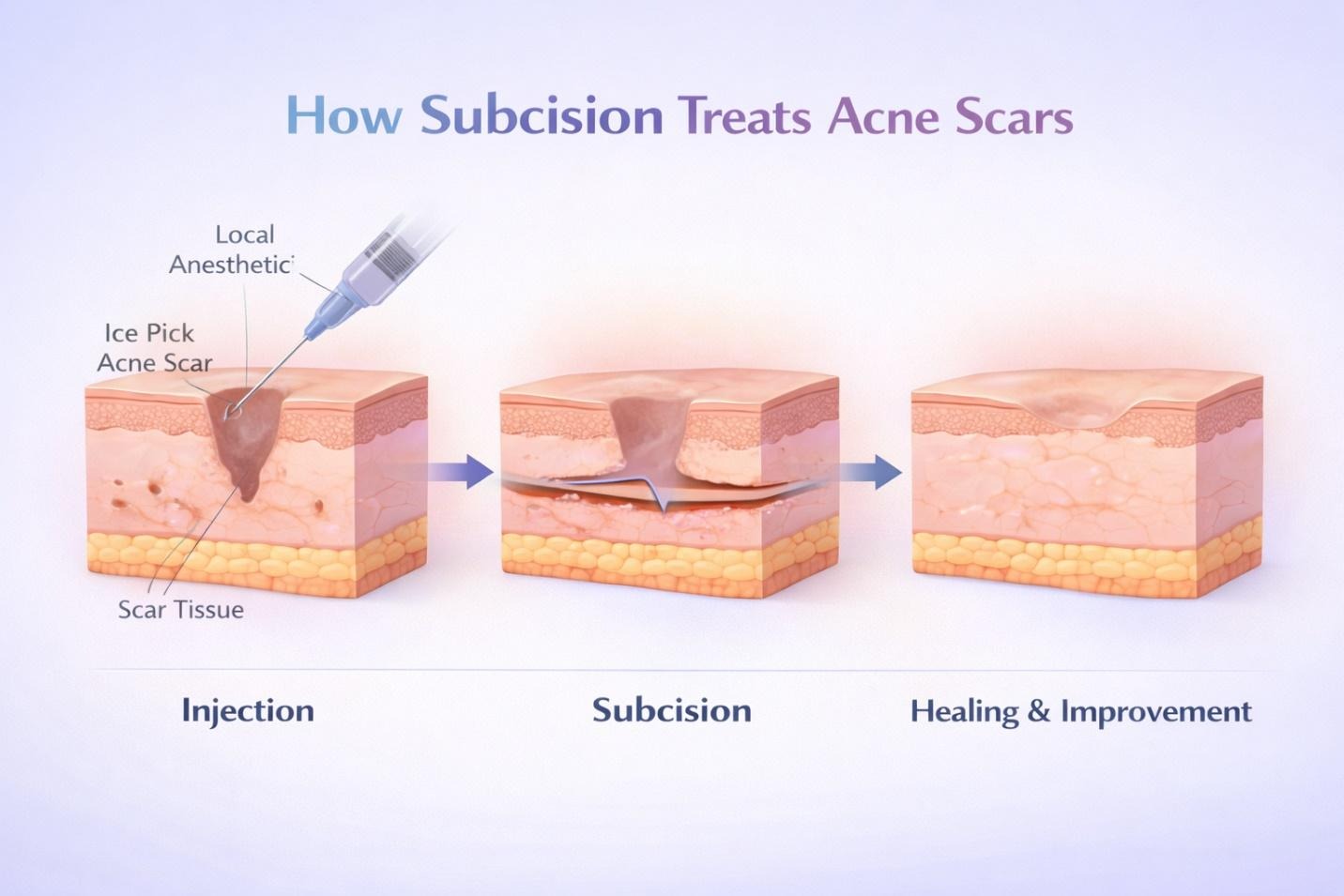
subcision uses a fine needle to lift depressed acne scars and improve skin texture.
Subcision gently releases tethered scars under the skin, helping the surface appear smoother over time.

What is Subcision?

Subcision is a minimally invasive treatment that targets depressed or tethered scars, particularly rolling scars. 

These scars form when fibrous bands develop beneath the skin and pull the surface downward. During subcision, a fine needle is inserted under the scar to release these fibrous attachments. This allows the skin surface to lift and stimulates natural collagen formation beneath the scar. 

Over time, this process helps improve skin texture, scar depth and overall smoothness. Subcision is often combined with treatments such as TCA CROSS or fractional laser resurfacing to enhance overall results.

How does Subcision work?

The treatment addresses scars that are mechanically tethered to deeper tissue, which creates a rolling or depressed appearance.

  • Release of fibrous bands depressed scars often form because fibrous bands pull the skin downward. Subcision mechanically releases these bands.
  • Controlled micro-injury the needle movement creates controlled micro-trauma beneath the skin. 
  • Collagen remodelling the healing process recruits fibroblasts to produce more collagen and connective tissue.
  • Structural improvement by addressing the underlying architecture of the scar rather than just the surface, subcision provides long-lasting improvement in texture and skin smoothness.
how to treat acne scars in Singapore.
These treatments are designed for deep, resistant or tethered scars that do not respond to topical care or standard lasers.

What can TCA CROSS / Subcision treat?

Both treatments address different structural causes of acne scars, making them suitable for specific scar types. A thorough assessment is required to determine which treatment is most appropriate.

TCA CROSS

Most suitable for:

  • Icepick scars
  • Deep boxcar scars
  • Localised, narrow, depressed scars
  • Scars that have not responded to lasers or topical therapies

Subcision

Often used for:

  • Rolling scars
  • Tethered boxcar scars
  • Wide or depressed scars 
  • Uneven skin texture caused by fibrous bands beneath the skin

What are the benefits of TCA CROSS / Subcision?

These targeted procedures offer several benefits for patients seeking effective scar treatment in Singapore, including:

smoother skin and reduced acne scars following TCA CROSS and subcision treatment.
Targeted acne scar treatments improve texture, reduce scar depth and restore a more even, confident complexion.

Clinical benefits

  • Reduces deep or tethered scars and smooths skin texture
  • Stimulates collagen for gradual scar lifting
  • Softens uneven areas for a more uniform surface
  • Effective on scars resistant to topical or laser treatments

Targeted and controlled treatment

  • TCA CROSS: chemical reconstruction directly into scar base
  • Subcision: releases fibrous bands for structural improvement
  • Customisable by scar type, depth, and location
  • Can be combined with lasers for enhanced results

Convenience and recovery

  • Minimally invasive, in-clinic procedures
  • Short sessions with manageable recovery
  • Gradual, natural-looking results
  • Supports long-term skin renewal with proper post-care
skin improvements after TCA CROSS and subcision treatments.
Collagen stimulation works gradually, leading to natural-looking improvements in scar depth and skin smoothness over weeks.

What to expect during TCA CROSS / Subcision sessions

The treatments are precise and minimally invasive procedures, which typically involve:

Before the session

Our doctor begins with a thorough assessment of your scars, including their type, depth and distribution. This evaluation helps determine the most suitable treatment approach. During the consultation, our doctor will also explain the procedure, potential side effects, expected recovery and realistic treatment outcomes. 

During the session

The treated area is first cleansed and a numbing agent may be applied to improve comfort. 

For TCA CROSS, a small amount of high-strength trichloroacetic acid is carefully placed at the base of individual scars to stimulate collagen production. 

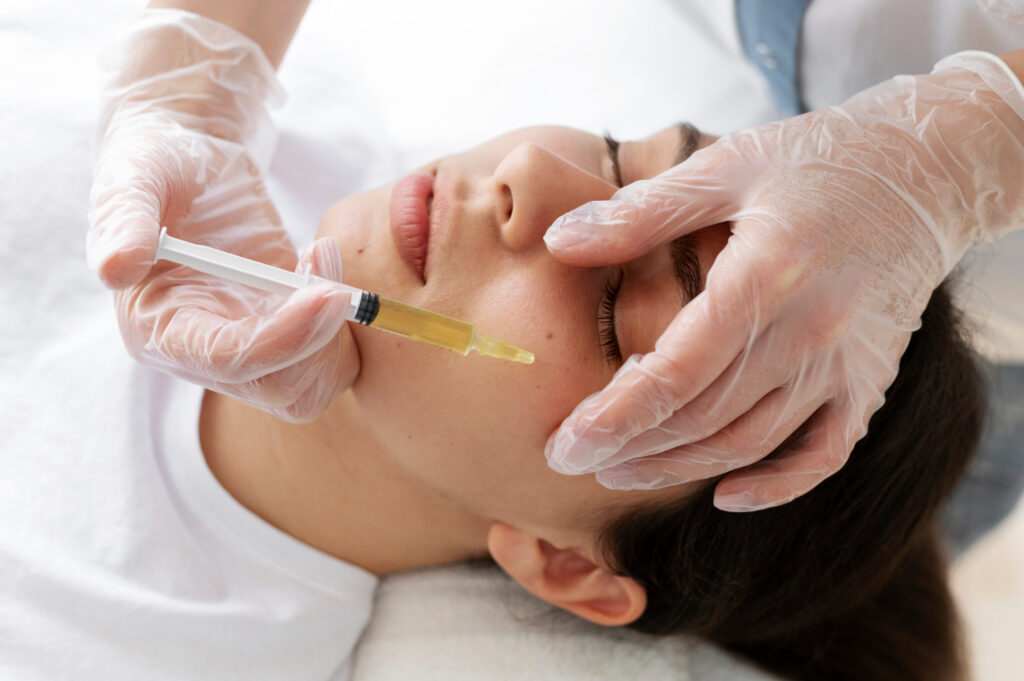
For subcision, a fine needle is inserted beneath the skin to release fibrous bands pulling the scar downward. 

Both procedures are highly targeted and designed to minimise damage to surrounding healthy skin. Sessions typically last between 30 and 60 minutes, depending on the number and severity of scars.

After the session

It is normal to experience mild redness, swelling or small scabs at the treated sites. These are part of the skin’s natural healing response. Some patients may notice temporary crusting or darkening of the treated scars, which usually resolves over the first few days.

Aftercare and recovery

Proper care after treatment is essential to maximise results and minimise complications. Key aftercare steps include:

  • Keeping the treated area clean and dry
  • Avoid picking, scratching or rubbing scabs or crusts
  • Using only prescribed or recommended skincare products
  • Applying broad-spectrum sun protection consistently
  • Pausing active skincare, such as exfoliants or retinoids, until advised

Downtime varies depending on the treatment intensity and individual healing response. Most patients can resume normal daily activities immediately, while full healing and visible improvement develop gradually over several weeks.

How many sessions will I need?

The number of sessions required depends on the type, depth and extent of scarring, as well as individual skin response.

  • TCA CROSS – typically requires multiple sessions spaced 4–6 weeks apart to gradually lift deep, narrow scars.
  • Subcision – often performed in one to three sessions, though additional treatments may be recommended for extensive or stubborn tethered scars.
  • Combined approach – for patients with mixed scar types, alternating or combining TCA CROSS and subcision over several months can maximise results.

During your consultation, our doctor will create a personalised treatment plan, outlining the number of sessions likely needed and expected timelines for visible improvement.

smoother skin and reduced acne scars following TCA CROSS and subcision treatment.
Targeted acne scar treatments improve texture, reduce scar depth and restore a more even, confident complexion.

What results can I expect?

Results from TCA CROSS and subcision develop gradually as the skin heals and collagen remodels over time. Unlike topical treatments or standard lasers, these procedures work beneath the surface to address the structural causes of scarring.

  • Gradual improvement – treated scars may appear slightly red or raised at first, but over several weeks, collagen formation smooths the skin and softens depressions.
  • Enhanced skin texture – rolling or deep scars become less noticeable and overall skin surface appears more even.
  • Long-term benefits – with proper aftercare, improvements are typically durable, as the skin’s own regenerative processes rebuild scarred areas.
  • Complementary effects – combining TCA CROSS and subcision with other treatments, such as laser resurfacing or microneedling, can further enhance tone, texture and overall skin appearance.

Book an appointment

TCA CROSS and subcision are precise, targeted treatments for acne scars that sit deep within the skin. By working directly on scar tissue and stimulating natural collagen production, these procedures help improve skin texture, soften scars and improve overall skin smoothness over time.

All treatments are performed by our doctors, who conduct a thorough assessment to identify scar types, depth and skin condition. Our treatment plan is personalised to ensure safety, comfort and meaningful results. Schedule a consultation today to discuss your goals, explain the procedures in detail and set realistic expectations.

safe and effective treatment plan.
A personalised assessment ensures the right treatment is chosen for your scar type, depth and skin health.

Frequently Asked Questions (FAQs)

Discomfort is generally mild and well-tolerated. Numbing agents are applied before treatment to minimise any pain or sensitivity. Most patients describe sensations as mild pressure, stinging or tingling during the procedure.
Some redness, swelling or light scabbing is normal and typically resolves within several days to a week. Healing times may vary depending on scar depth, the number of scars treated and individual skin response.
Collagen remodelling provides long-lasting improvement, but some maintenance treatments may be recommended for optimal results. Skin health, sun protection and ongoing care also influence how long results are maintained.
Most skin types can be treated, but suitability depends on scar pattern, depth and pigmentation risk. Our doctor evaluates your skin to reduce the risk of post-inflammatory pigmentation or other complications.
Active acne is usually stabilised before scar-focused treatments are performed. Treating inflamed skin may reduce effectiveness and increase the risk of irritation or infection.

Yes. Combining treatments allows for comprehensive improvement of both deep scars and surface texture. Common treatments used alongside TCA CROSS or subcision include:

Improvement is gradual. Some softening of acne scars may be visible within a few weeks, with continued improvement over 2 to 3 months as collagen remodels. Full results are often seen after completing the recommended series of treatments.
Temporary redness, swelling, scabbing or mild tenderness is common and expected. Serious complications are rare when treatments are performed by a trained doctor.
Follow our doctor’s aftercare instructions carefully. Keeping the area clean, avoiding picking scabs, applying sun protection and using prescribed skincare products support healing and optimise results.
TCA CROSS is most effective for deep, narrow scars such as icepick scars. Subcision is ideal for rolling or tethered scars. Many patients benefit from a combination approach to address multiple scar types for smoother, more even skin.

Partnering You

with Trusted, Scientific Skin Care Across Every Stage of Life.

This article has been medically reviewed by Dr Kok & Dr Kong
Dr Kok & Dr Kong are experienced dermatologists with extensive expertise in treating children and adults across general, paediatric and aesthetic dermatology. They specialise in managing complex skin conditions, surgery and advanced therapies, delivering personalised care backed by strong clinical and academic excellence.

Types  of dermatology

At Dermatology Collective, we believe your skin needs are unique.
We’re more than a clinic; we’re a partnership. Together, it is our collective responsibility, where decisions are shared. We will listen to you, support you, and help you feel confident in your skin—because your skin health journey matters to us as much as it matters to you.


    Insurance Panels

    Corporate Insurance:

    • DA adept health
    • MHC
    • Alliance
    • Whitecoat
    • Fullerton health
    • IHP
    • Cigna International
    • Parkway Shenton/iXchange

    Insurance Partners:

    • GE
    • Prudential
    • AIA
    • NTUC income
    • HSBC Life
    • Singlife

    Our clinics are Baby Bonus Approved Institutions (AIs), so you can use your Child Development Account (CDA) when you consult our dermatologists! All you need to do is to ensure your card is activated as the payment mode is similar to NETS and requires a pin number.

    Ngee Ann City

    391B Orchard Road
Ngee Ann City Tower B #13-10/10A
Singapore 238874
    Operating Hours:

    Weekdays | 8:30 AM – 5PM
    Saturdays | 8:30 AM – 1:00 PM
    Sundays | Closed

    Whatsapp | +65 8226 1514

    Get direction

    HMI Medical Centre (Farrer Park)

    12 Farrer Park Station Road #05-01
Singapore 217565
    Operating Hours:

    Weekdays | 8:30 AM – 5PM
    Saturdays | 8:30 AM – 1:00 PM
    Sundays | Closed

    Whatsapp | +65 8300 3013

    Get direction
    Ngee Ann City
    391B Orchard Road
Ngee Ann City Tower B #13-10/10A
Singapore 238874
    HMI Medical Centre (Farrer Park)
    12 Farrer Park Station Road #05-01
Singapore 217565

    At Dermatology Collective, we believe your skin needs are unique.

    We’re more than a clinic; we’re a partnership. Together, it is our collective responsibility, where decisions are shared. We will listen to you, support you, and help you feel confident in your skin—because your skin health journey matters to us as much as it matters to you.

    © 2025 Dermatology Collective Clinic & Surgery. All Rights Reserved.
    magnifiercrosschevron-down
    WhatsApp (NAC) whatsapp
    WhatsApp (HMC) whatsapp
    chat