Dull / Uneven Skin Tone

Table of contents

how common is dull and uneven skin tone.
Dull or uneven skin tone is a common concern that can affect individuals of all ages and skin types, often developing gradually over time.

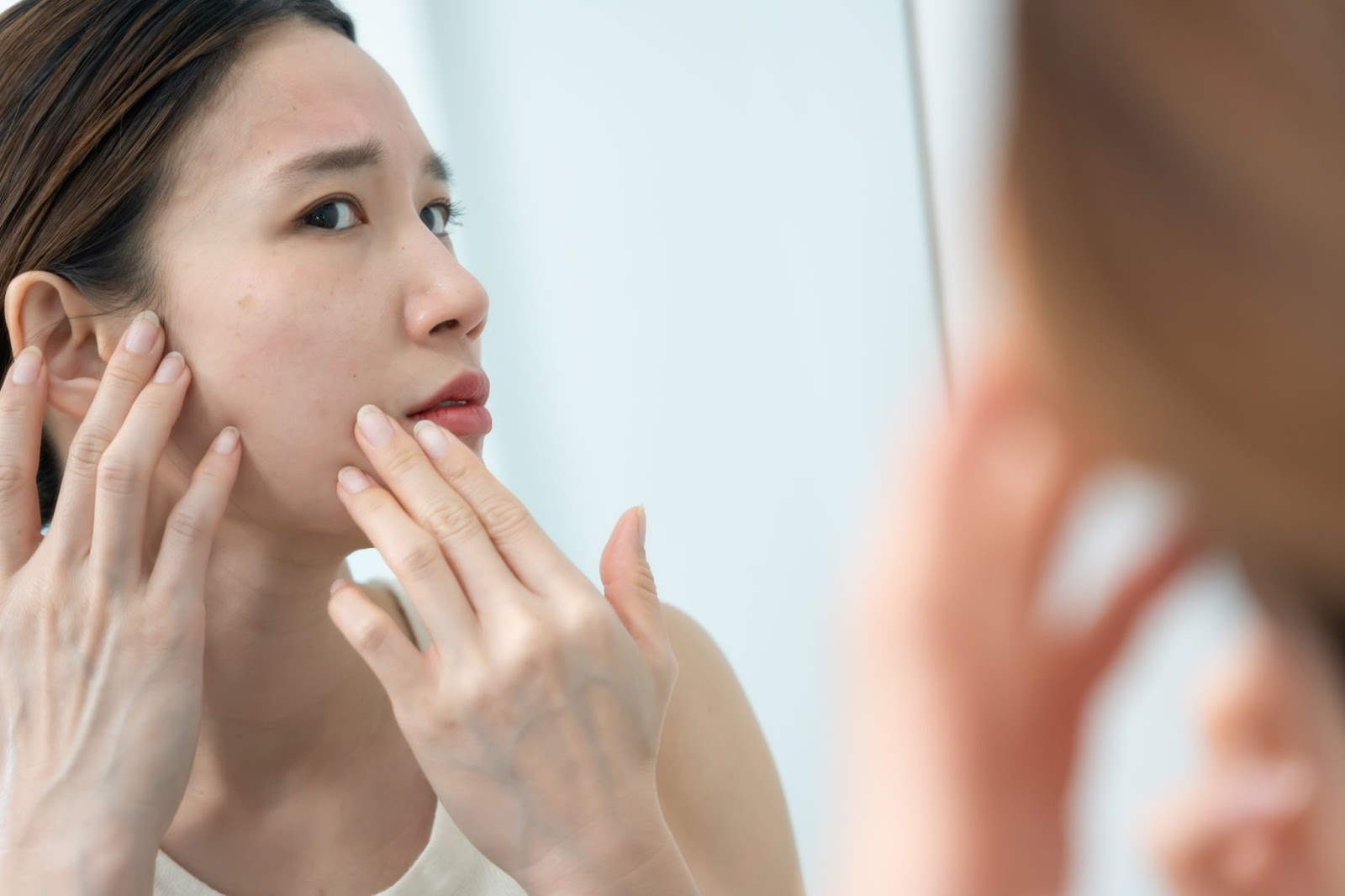
Dull or uneven skin tone refers to a lack of brightness, clarity or colour uniformity in the skin. Skin may look tired, flat or patchy, even without active acne, rashes or visible irritation. These changes often develop gradually and become more noticeable over time.

This concern is often influenced by a combination of how well the skin renews itself, maintains pigment balance and responds to environmental stress. While it is not a medical condition on its own, dullness or uneven tone may indicate that the skin is not functioning at its best.

What is the Difference Between Dull and Uneven Skin Tone?

Dullness and uneven tone frequently occur together, but they describe different aspects of skin appearance.

Dull skin

  • Appears flat or lacklustre
  • Reflects light poorly
  • Often linked to slow skin cell turnover or dehydration
  • May feel rough or dry

Uneven skin tone

  • Appears patchy or blotchy
  • Includes darker spots, redness or uneven colour
  • Often linked to pigmentation, inflammation or sun damage
  • Skin texture may be smooth or irregular 
common causes of dull and uneven skin tone.
Multiple factors contribute to dull or uneven skin tone, including sun exposure, slowed skin renewal, pigmentation imbalance and environmental stress.

What Causes Dull and Uneven Skin Tone?

Dullness and uneven tone develop when normal skin renewal and pigment regulation are disrupted. Contributing factors often overlap and include:

  • Impaired skin renewal – slow skin cell turnover allows dead skin cells to accumulate, reducing brightness and light reflection.
  • Pigmentation changes – sun exposure, inflammation or other factors may trigger uneven melanin production, leading to patchy or darker areas.
  • Post-inflammatory changes residual redness or pigmentation following acne or irritation.
  • Sun and environmental exposure ultraviolet radiation and pollution can damage skin cells and accelerate tone irregularities.
  • Skin dehydration and barrier disruption when the skin barrier is compromised, skin may appear dull, rough and uneven.
  • Ageing skin changes natural ageing reduces collagen production and slows regeneration, affecting tone and radiance.

Who is More Prone to Dull or Uneven Skin Tone?

Although dull or uneven skin tone can occur in anyone, some individuals are more susceptible due to reduced skin resilience and repair capacity.

Skin behaviour and resilience

Previous skin stress

  • Repeated irritation or inflammation – healing may occur unevenly, affecting tone.
  • Ongoing exposure to triggering factors – sun, pollution or frictions can accelerate colour irregularities.

Natural age and hormonal influences

how to prevent dull or uneven skin tone.
Consistent sun protection, proper skincare and early lifestyle adjustments can help reduce the risk of developing dull or uneven skin tone.

Can Dull or Uneven Skin Tone Be Prevented?

Not all contributing factors are avoidable, but consistent skincare and lifestyle habits help reduce the development and progression of a dull or uneven complexion.

Daily skin protection

  • Broad-spectrum sunscreen use – reduces ultraviolet (UV) induced pigmentation and long-term tone irregularities.
  • Environmental protection – limits pollution-related oxidative stress.

Skincare practices

  • Gentle cleansing and moisturising – supports skin barrier health and natural renewal.
  • Avoiding harsh or excessive exfoliation – prevents barrier damage that may worsen dullness.

Early skin management

  • Timely dermatological assessment – allows early intervention before uneven tone becomes established.

How Do Doctors Assess Dull or Uneven Skin Tone?

Assessment often focuses on identifying the underlying contributing factors rather than treating dullness as a single condition. Our doctors look at how the skin reflects light, how evenly colour is distributed and how well the skin surface renews itself.

This typically involves:

Surface and renewal assessment

Skin cell turnover and surface texture are assessed. Accumulated dead skin cells or surface irregularities can interfere with light reflection, making the skin appear dull even when pigmentation is normal.

Pigment pattern evaluation

The skin is then examined for uneven colour distribution, including excess pigment, patchiness, or residual discolouration from sun exposure, hormonal changes, or previous inflammation. Determining whether pigmentation is superficial or deeper helps guide treatment choice.

Skin structure and barrier review

The skin’s underlying structure, hydration and barrier function are then assessed. Dehydration, thinning skin or age-related collagen changes can reduce clarity and radiance, even in the absence of visible pigment changes.

is treatment for uneven skin tone permanent.
Improvements in skin tone can be long-lasting with appropriate treatment and maintenance, though ongoing care is essential to sustain results.

How is Dull or Uneven Skin Tone Treated?

Treatment for dull or uneven skin tone is personalised based on the underlying contributors, skin type and lifestyle factors. Our doctors typically take a stepwise approach to restore clarity, brightness and tone safely.

Depending on the severity of your condition, treatment may include:

Surface renewal treatment

  • Chemical peels – these address dullness by gently removing accumulated dead skin cells from the surface. This promotes skin turnover, improves light reflection and refines overall tone clarity. Peels depth and formulation are tailored to skin type and sensitivity.

Laser treatment

  • Light-based therapy – targets uneven pigmentation, redness and colour irregularities beneath the skin surface. By selectively treating specific skin chromophores, these treatments help improve tone balance while preserving surrounding tissue. 
  • Rejuvenation laser – works deeper within the skin to stimulate collagen production and improve overall skin quality. Over time, this leads to smoother texture, more even tone and a healthier, more luminous appearance as the skin regenerates.

Skin foundation and barrier support

  • Medical-grade skincare – targeted medical-grade skincare supports healthy skin renewal, reinforces the skin barrier and helps regulate pigment activity. With consistent use, they improve radiance, smooth surface texture and maintain treatment results.
    Ongoing care and prevention – daily sun protection, appropriate skincare and periodic maintenance treatments help preserve results and reduce recurrence.

Summary

Dull or uneven skin tone often develops gradually and can be influenced by skin renewal, pigmentation balance and environmental exposure. While early changes may seem subtle, they can affect overall skin confidence and clarity over time.

At Dermatology Collective, treatment for dull and uneven skin tone focuses on identifying and addressing underlying skin changes. With targeted treatments and consistent long-term care, skin tone can become brighter, more even and healthier looking naturally in a sustainable way.

If you have been experiencing dull or uneven skin tone, then contact us today to schedule an appointment with our experienced doctors.

early treatment for dull and uneven skin tone benefits.
Addressing dull or uneven skin tone early allows treatments to work more effectively and helps prevent deeper or persistent pigmentation changes.

Frequently Asked Questions (FAQs)

Mild dullness may improve with good skincare and sun protection. Persistent uneven tone often requires targeted treatments.
Not always. Dull skin refers to reduced radiance and light reflection, while uneven skin tone refers to irregular colour distribution. Both can occur together or independently.
Skincare and peels may show results within weeks. Laser and rejuvenation treatments typically produce gradual improvement over several months.
When performed by a dermatologist using appropriate settings, laser treatments are safe and effective for improving tone and texture.
Without ongoing sun protection and skincare, uneven tone can recur over time. Maintenance care is important to preserve results.
Yes. Treatment plans can be adjusted for sensitive or reactive skin, using gentler modalities and gradual progression.
There is no single best treatment. The most effective approach depends on whether dullness is driven by surface buildup, pigmentation, redness or structural changes in the skin.

Partnering You

with Trusted, Scientific Skin Care Across Every Stage of Life.

This article has been medically reviewed by by Dr Kok & Dr Kong
Dr Kok & Dr Kong are experienced dermatologists with extensive expertise in treating children and adults across general, paediatric and aesthetic dermatology. They specialise in managing complex skin conditions, surgery and advanced therapies, delivering personalised care backed by strong clinical and academic excellence.

Types  of dermatology

At Dermatology Collective, we believe your skin needs are unique.
We’re more than a clinic; we’re a partnership. Together, it is our collective responsibility, where decisions are shared. We will listen to you, support you, and help you feel confident in your skin—because your skin health journey matters to us as much as it matters to you.


    Insurance Panels

    Corporate Insurance:

    • DA adept health
    • HMI
    • Alliance
    • Whitecoat
    • Fullerton health
    • IHP
    • Cigna International
    • Parkway Shenton/iXchange

    Insurance Partners:

    • GE
    • Prudential
    • AIA
    • NTUC income
    • HSBC Life
    • Singlife

    Our clinics are Baby Bonus Approved Institutions (AIs), so you can use your Child Development Account (CDA) when you consult our dermatologists! All you need to do is to ensure your card is activated as the payment mode is similar to NETS and requires a pin number.

    Ngee Ann City

    391B Orchard Road
Ngee Ann City Tower B #13-10/10A
Singapore 238874
    Operating Hours:

    Weekdays | 8:30 AM – 5PM
    Saturdays | 8:30 AM – 1:00 PM
    Sundays | Closed

    Whatsapp | +65 8226 1514

    Get direction

    HMI Medical Centre (Farrer Park)

    12 Farrer Park Station Road #05-01
Singapore 217565
    Operating Hours:

    Weekdays | 8:30 AM – 5PM
    Saturdays | 8:30 AM – 1:00 PM
    Sundays | Closed

    Whatsapp | +65 8300 3013

    Get direction
    Ngee Ann City
    391B Orchard Road
Ngee Ann City Tower B #13-10/10A
Singapore 238874
    HMI Medical Centre (Farrer Park)
    12 Farrer Park Station Road #05-01
Singapore 217565

    At Dermatology Collective, we believe your skin needs are unique.

    We’re more than a clinic; we’re a partnership. Together, it is our collective responsibility, where decisions are shared. We will listen to you, support you, and help you feel confident in your skin—because your skin health journey matters to us as much as it matters to you.

    © 2025 Dermatology Collective Clinic & Surgery. All Rights Reserved.
    magnifiercrosschevron-down
    WhatsApp (NAC) whatsapp
    WhatsApp (HMC) whatsapp
    chat