What skin conditions can Cryotherapy treat?
Cryotherapy is commonly used for a range of benign and sun-related skin lesions that benefit from controlled tissue destruction, including:
- Actinic keratoses – rough, scaly patches caused by long-term sun exposure.
- Seborrhoeic keratoses – these are common benign growths that increase with age.
- Skin tags – often found in areas of friction, such as the neck or underarms.
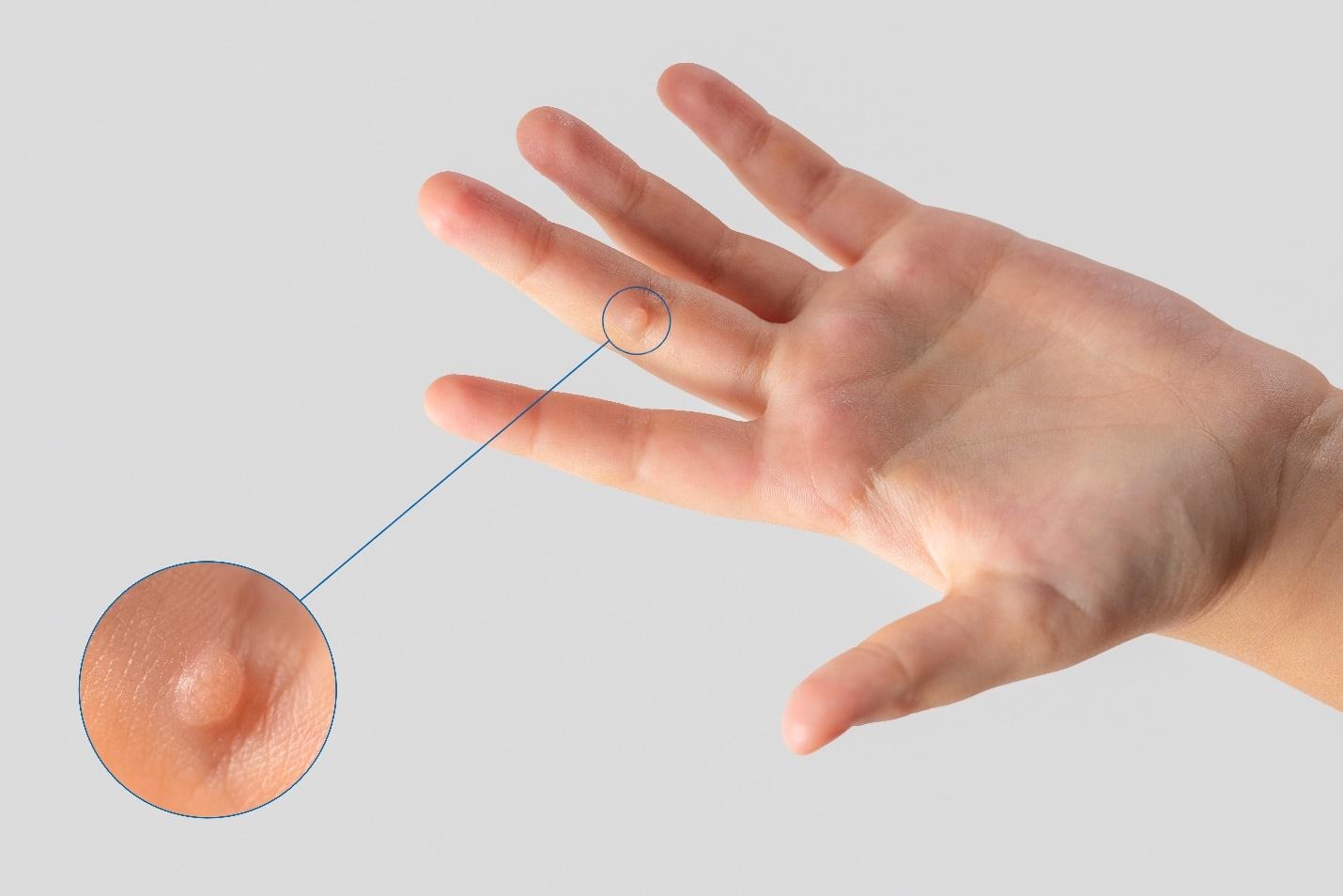
- Warts – these are caused by viral infection of the skin and can be persistent or uncomfortable.
What are the benefits of Cryotherapy?
Cryotherapy offers several advantages when used for appropriate skin lesions:
- Non-surgical treatment with no cuts or stitches
- Targeted and precise destruction of abnormal tissue while preserving surrounding healthy skin
- Minimally invasive with minimal downtime
- Quick in-clinic procedure
What can I expect from a Cryotherapy treatment?
Since cryotherapy is typically performed as an outpatient procedure, the process is straightforward and tailored to each lesion.
Before the session
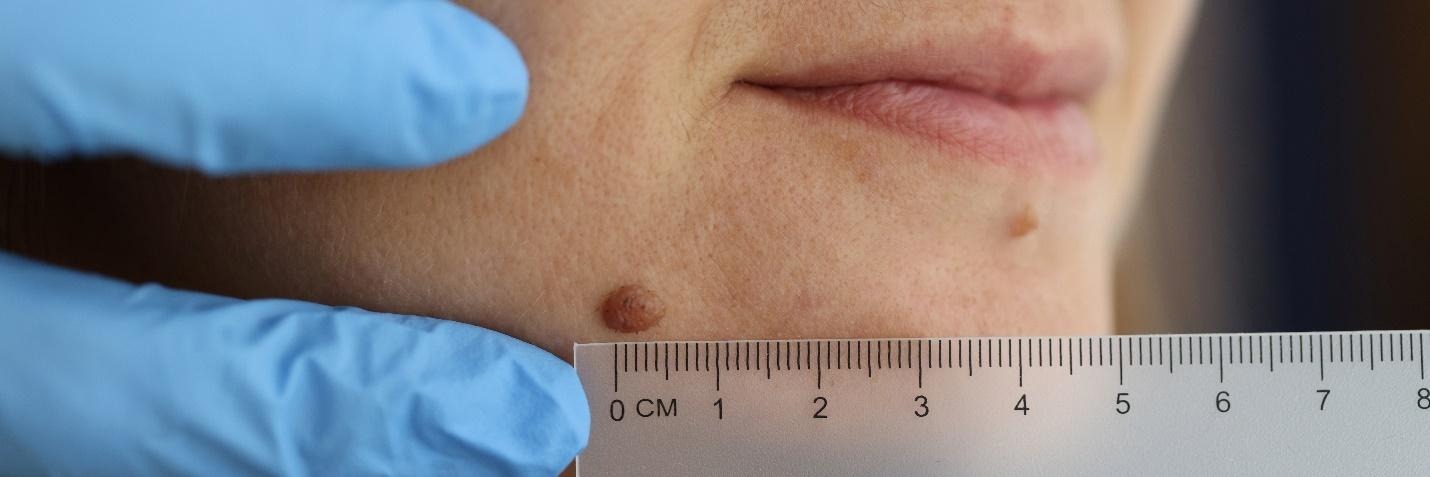
Our dermatologist will examine the skin lesion carefully, assessing its appearance, duration and any recent changes.
The goal is to confirm the diagnosis and ensure cryotherapy is appropriate. Our dermatologist will also share the expected outcome, healing process and potential side effects before proceeding with the treatment.
During the session
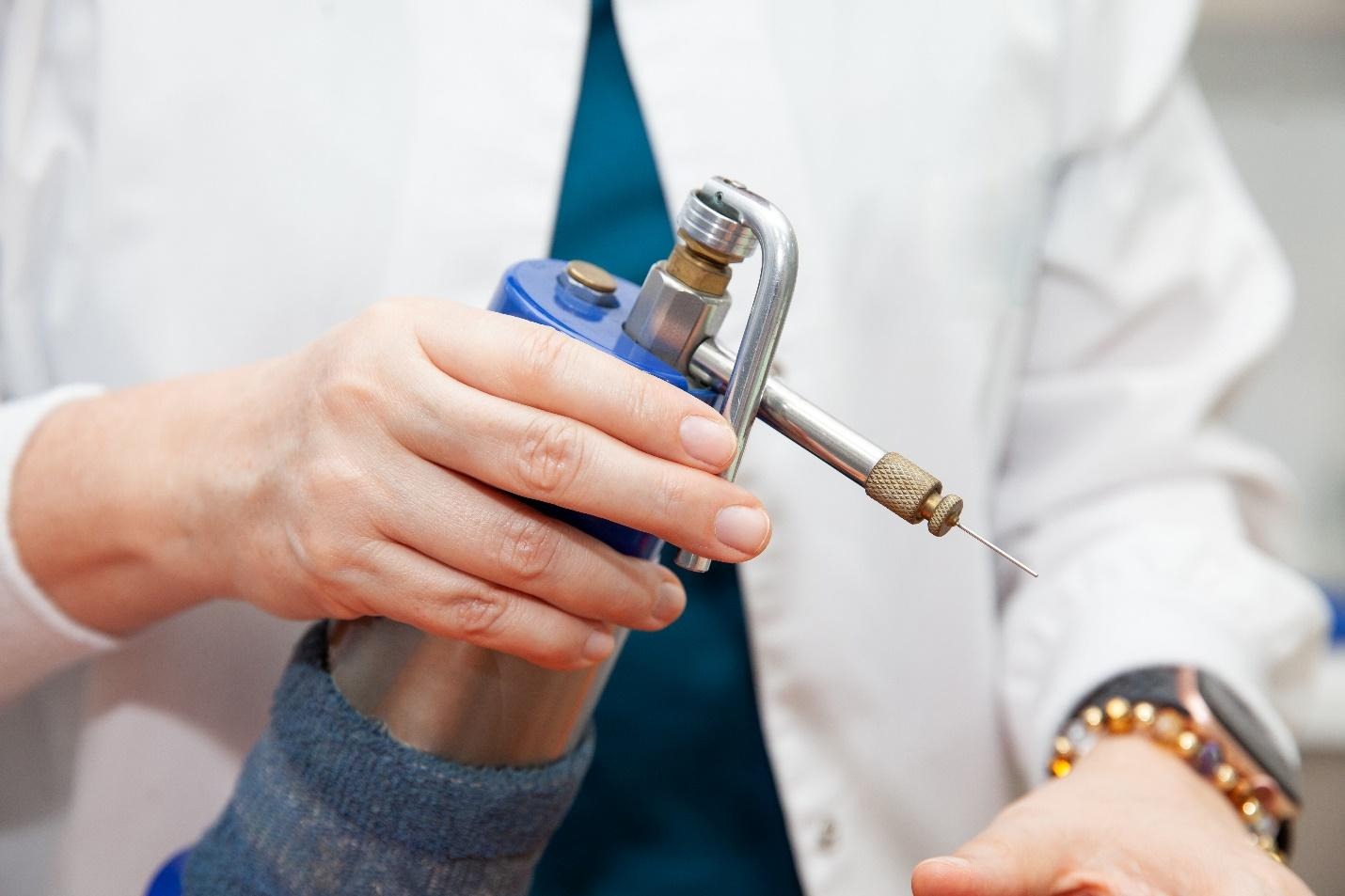
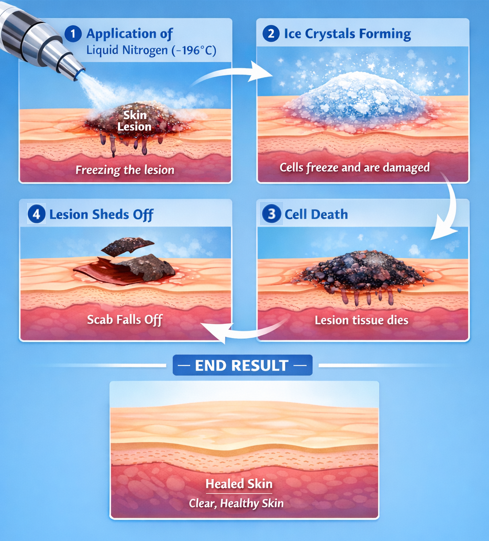
The skin is cleansed thoroughly before the treatment. Liquid nitrogen is then applied directly to the lesion using a spray device or applicator.
You may experience an intense cold sensation, followed by brief stinging or burning. This discomfort usually lasts only a short time and settles quickly after application.
The duration of freezing depends on the type and thickness of the lesion. Some lesions require a single freeze, while others may need multiple freeze-thaw cycles for better results.
After the session
The treated area may appear red or swollen shortly after the procedure. A blister or scab may also form within the first few days of the procedure as part of the normal healing process. Most patients can return to normal activities immediately. However, it is important to adhere to basic aftercare instructions. This will ensure that the treatment heals optimally and reduces the risk of scarring.
Dermatological assessment ensures lesions are correctly identified before cryotherapy, supporting safe and effective treatment.