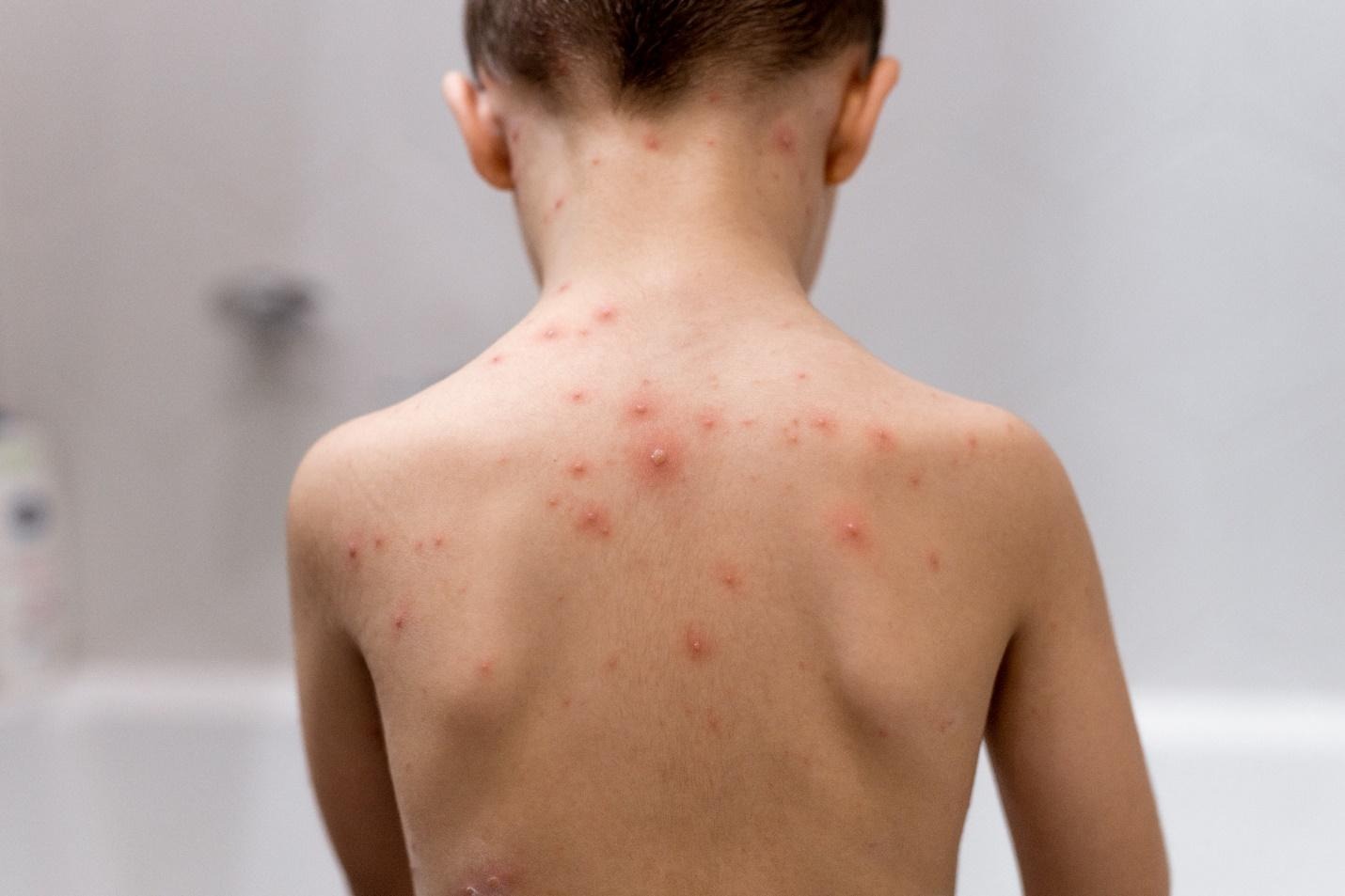
Children’s skin is more delicate and their immune systems are still developing, making them more prone to infections than adults. Everyday activities, such as playing at school, running around playgrounds or attending daycare, increase exposure to germs.
Paediatric skin infections can range from mild and short-lived to more persistent conditions requiring medical treatment. Recognising the signs early and seeking prompt care not only helps your child feel more comfortable but also prevents the infection from spreading to others.
Skin infections in children are commonly caused by bacteria, viruses, fungi (including yeasts) or parasites. Each type has distinct causes, ways of spreading, appearances and common infections.
This includes:
| Causes | Cuts, insect bites, minor trauma or scratching. |
| How it spreads | Direct contact with infected skin, contaminated objects. |
| How it appears | Red, swollen, tender patches. Lesions may ooze, form crusts or contain pus. |
| Common infections |
|
| Causes | Warm, moist environments, prolonged skin friction or disruption of the normal skin barrier can allow fungi to overgrow. |
| How it spreads | Contact with infected people, animals or surfaces. Yeast infections develop when conditions favour overgrowth. |
| How it appears | Circular, scaly patches with central clearing. It is usually itchy. |
| Common infections |
|
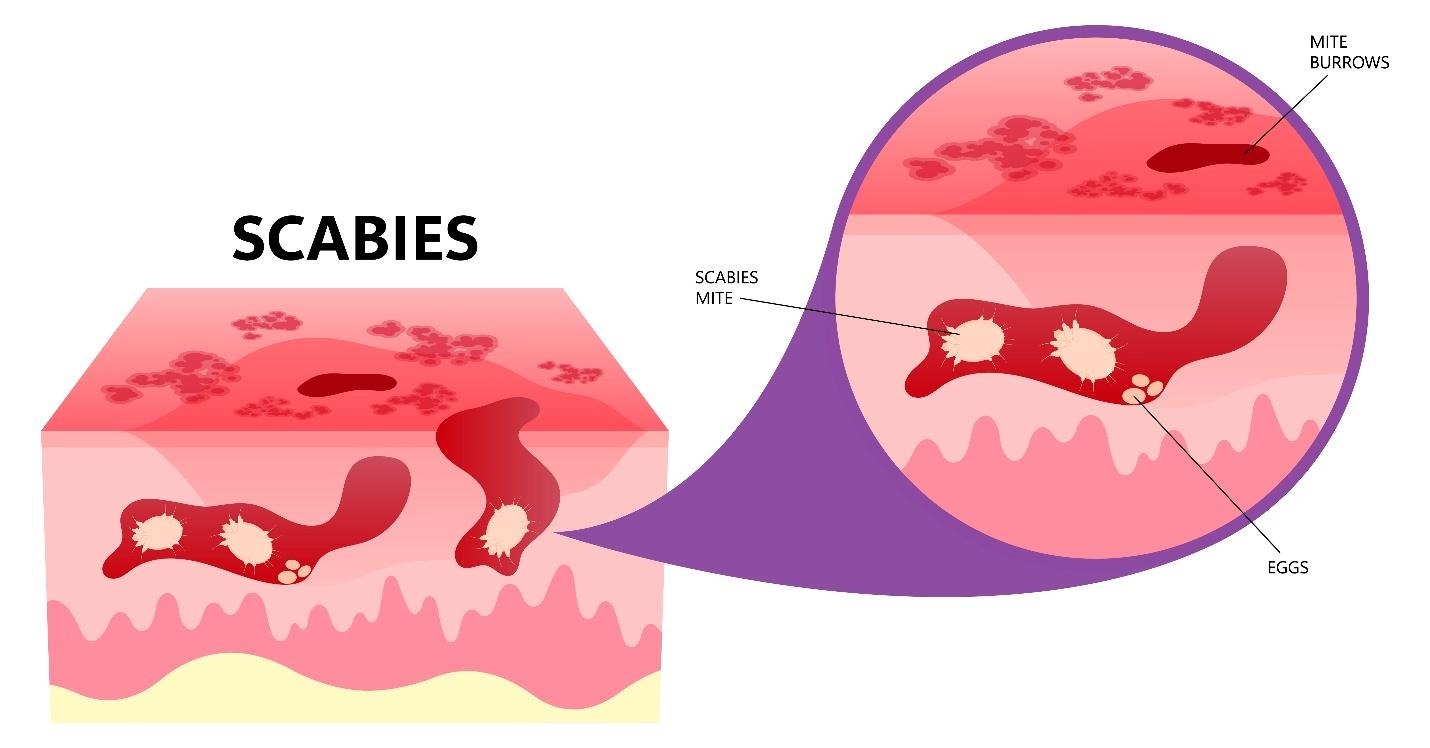
| Causes | Infestation by mites or lice, often from close contact with infected people or contaminated objects. |
| How it spreads | Direct skin-to-skin contact, sharing hats, combs, towels or clothing. |
| How it appears | Small red bumps, scratch marks or visible lice or mites. It is often intensely itchy, especially at night.
|
| Common infections |
|
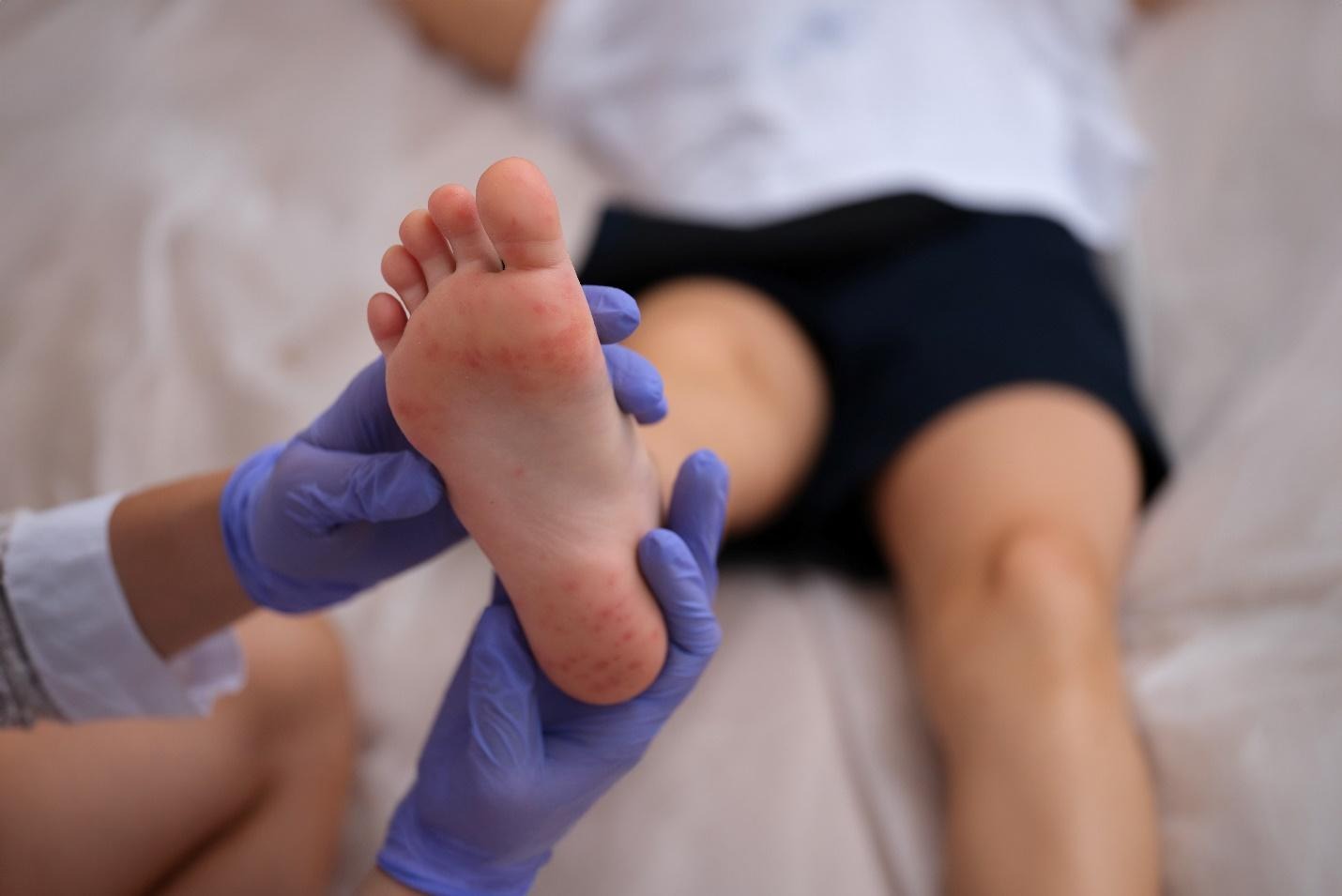
| Causes | Viral exposure from other children, droplets or contaminated surfaces. |
| How it spreads | Direct contact, coughing, sneezing or shared toys. |
| How it appears | Rough firm bumps, red spots, blisters or vesicles. It may be itchy or painful. |
| Common infections |
|

Children are generally more vulnerable to skin infections because their immune systems and skin barriers are still developing. However, certain factors can increase susceptibility.

Accurate diagnosis is important because many paediatric skin infections can appear similar. Early identification helps ensure appropriate treatment and prevents complications.
In most cases, diagnosis is made through clinical examination alone. Additional tests are only recommended when infections are severe, unclear or do not respond to initial treatment.
Diagnostic approach

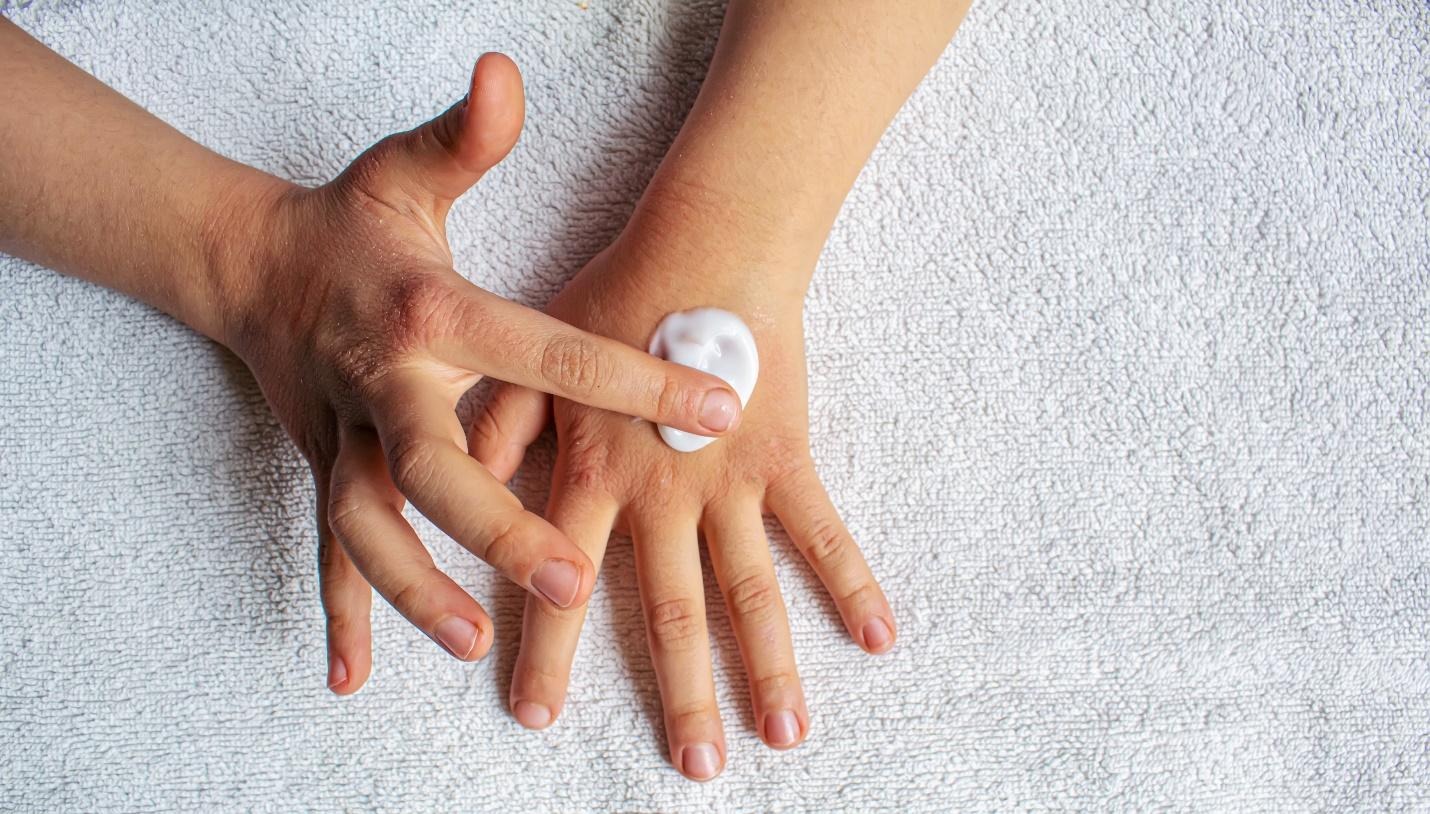
Treatment depends on the type of infection, severity, the child’s age and overall skin condition. Most infections respond well to topical treatments combined with supportive care and preventive measures.

Paediatric skin infections are common and are usually treatable with early and appropriate care. In Singapore’s warm and humid climate, timely dermatological assessment helps reduce discomfort, prevent complications and limit spread.
Our paediatric dermatologists provide safe, gentle and evidence-based care tailored to each child. If you’re concerned about a rash or a persistent infection, a specialist assessment can help clarify the diagnosis and guide safe treatment.
Book an appointment today to receive a personalised consultation and treatment plan.


Weekdays | 8:30 AM – 5PM
Saturdays | 8:30 AM – 1:00 PM
Sundays | Closed
Whatsapp | +65 8226 1514
Weekdays | 8:30 AM – 5PM
Saturdays | 8:30 AM – 1:00 PM
Sundays | Closed
Whatsapp | +65 8300 3013
We’re more than a clinic; we’re a partnership. Together, it is our collective responsibility, where decisions are shared. We will listen to you, support you, and help you feel confident in your skin—because your skin health journey matters to us as much as it matters to you.