Newborn Rashes

Table of contents

newborn rashes in Singapore.
Newborn rashes are common, especially among babies with a family history of skin conditions such as eczema.

What are newborn rashes?

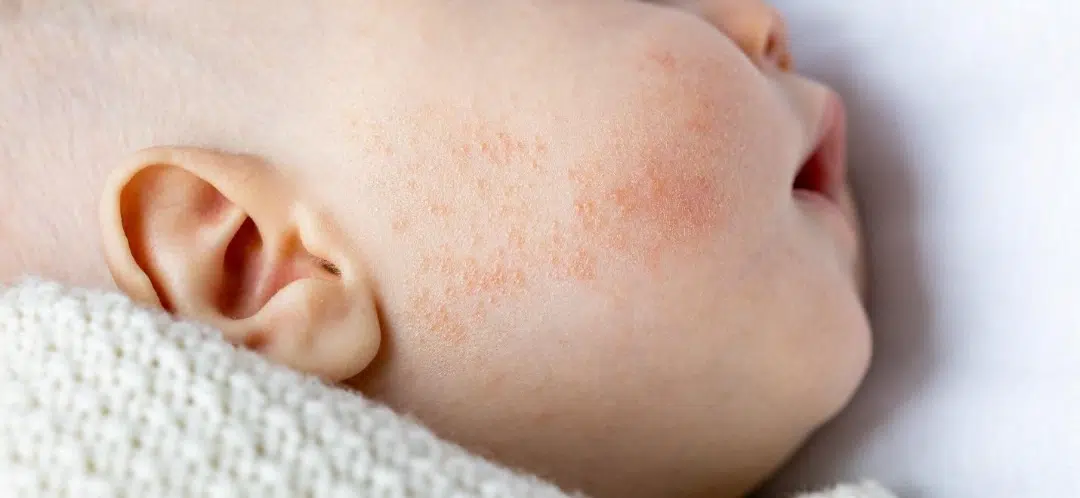
Skin rashes are very common in newborns and are usually part of the body’s normal adjustment after birth. A baby’s skin is thinner, more delicate and still adapting to its new environment. Most rashes may look worrying, but are typically harmless and temporary, often resolving on their own without treatment.

Types of newborn rashes

Not all rashes are the same. Each has its own appearance, timing and typical location on the body. This includes:

Erythema Toxicum Neonatorum

DEFINITIONCommon, harmless rash seen in the first days of life. Caused by the newborn’s immune system reacting to normal skin bacteria.
SYMPTOMS
  • Red patches or blotches on the skin
  • Small white or yellow bumps (pustules) at the centre of the red areas
  • No associated itching, pain or discomfort
COMMON LOCATION
  • Face, chest, upper arms, body and legs
  • Spares the palms and soles
TREATMENT
  • No treatment is needed, as the condition is harmless and self-resolving
  • Parents are reassured that the rash will fade naturally within a short period


Milia

DEFINITION

Tiny white cysts are caused by blocked pores. They are harmless and self-resolving.

SIGNS / SYMPTOMS

  • Small white or yellowish bumps
  • No redness, pain or inflammation

COMMON LOCATION

  • Face, including forehead, cheeks, chin and nose

TREATMENT

  • No treatment is required, as the bumps clear on their own
  • Picking, squeezing or applying topical products should be avoided to prevent skin irritation


Neonatal Acne

DEFINITION

Short-lived acne-like rash due to maternal hormones stimulating the baby’s oil glands.

SIGNS / SYMPTOMS

  • Red papules and pustules
  • Occasional whiteheads

COMMON LOCATION

  • Typically affects the face, including the forehead, cheeks and chin
  • Occasionally affects the neck, chest and upper back 

DIAGNOSIS

  • The condition is diagnosed through clinical assessment
  • Infection may need to be excluded if the lesions appear unusually severe or inflamed

TREATMENT

  • Gentle cleansing with water or a mild soap-free cleanser is recommended
  • Medicated creams are generally unnecessary


Heat Rash (Miliaria)

DEFINITION

Sweat-related rash caused by blocked sweat ducts in warm or humid conditions.

TRIGGER

Heat rash develops when warm or humid conditions cause excessive sweating, leading to blockage of immature sweat ducts.

SIGNS / SYMPTOMS

  • Tiny red or clear bumps on the skin that are aggravated by warm or humid conditions

COMMON LOCATION

  • In areas where skin rubs together or against clothing, such as the neck, armpits, groin and skin folds.

TREATMENT

  • Cooling measures are advised to reduce sweating and irritation
  • Dressing the baby in loose, breathable clothing helps prevent recurrence
  • Overheating and excessive layering should be avoided


Peeling Skin (Desquamation)

DEFINITION

Normal shedding of the outer skin layer after birth. This is due to the newborn’s immature skin.

SIGNS / SYMPTOMS

  • Dry or flaky skin
  • Peeling of the skin in fine sheets
  • No redness or inflammation

COMMON LOCATION

  • Acral sites such as the hands and feet
  • Ankles and wrists 

TREATMENT

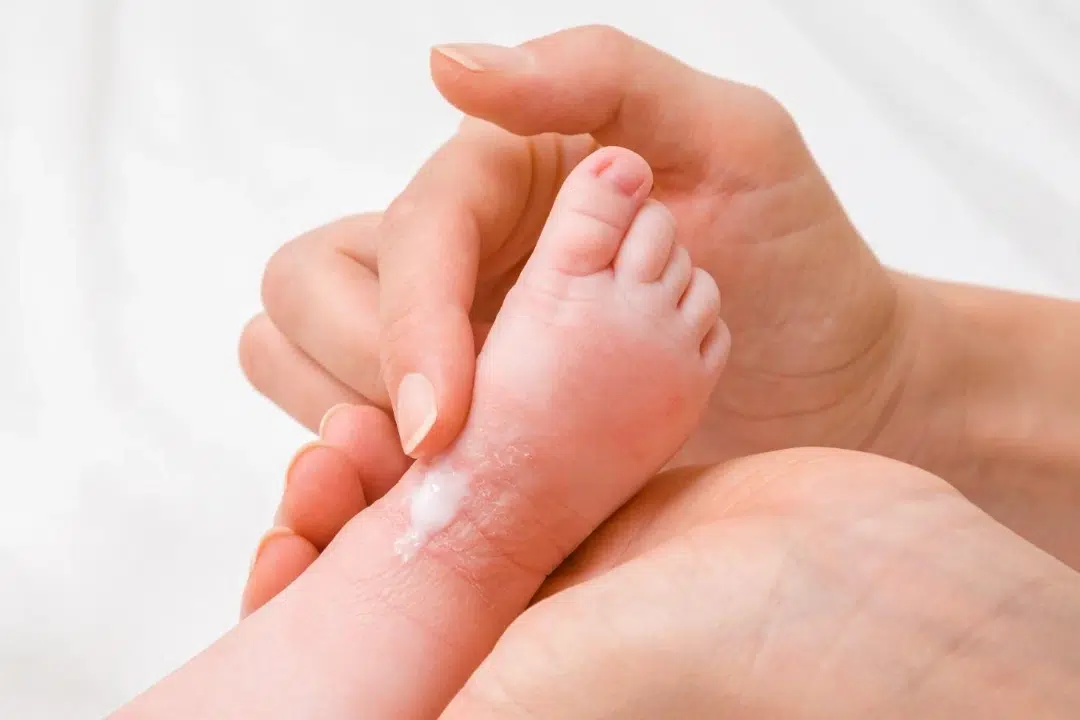
Treatment is usually not required, though gentle moisturisers are recommended to support skin comfort.


Nappy Rash (Diaper Dermatitis)

DEFINITION

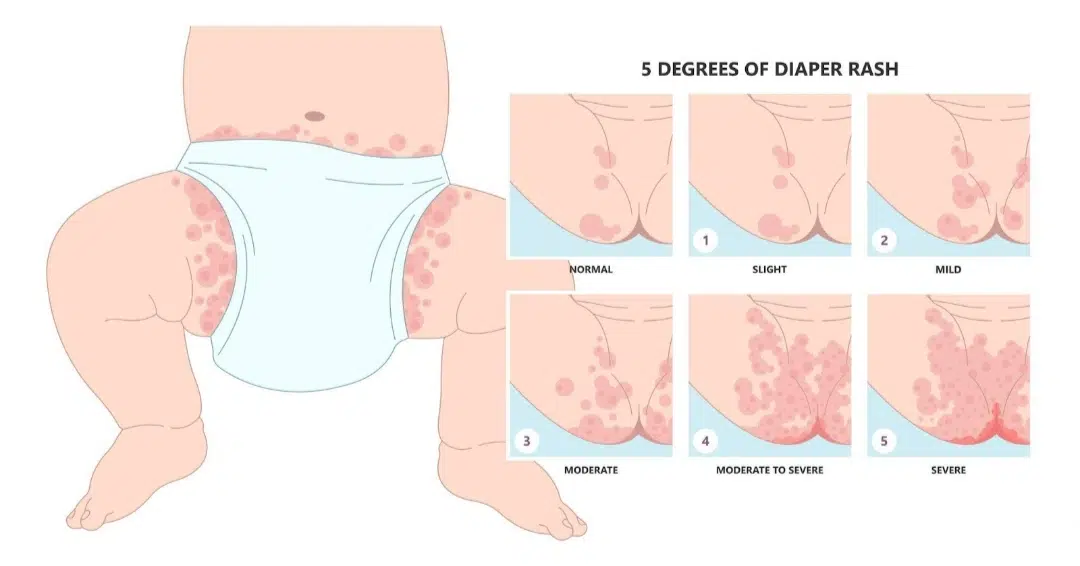
Nappy rash is an inflammatory condition affecting the skin in the diaper area of infants.

CAUSES

  • Immature skin barrier – their delicate skin is less able to protect itself from constant moisture and friction.
  • Infection or allergic reaction – fungal or bacterial overgrowth or sensitivity to diaper materials may contribute to persistent rash.
  • Environmental exposure – prolonged contact with urine, stool or cleansing products can irritate the skin and lead to inflammation in the diaper area.

SIGNS / SYMPTOMS

  • Redness and inflammation in the diaper area
  • Sore or sensitive-looking skin
  • Possible small bumps or raw patches

COMMON LOCATION

  • Buttocks
  • Groin

DIAGNOSIS

  • Diagnosis is made through clinical examination of the diaper area
  • A skin swab may be performed only if infection is suspected

TREATMENT

  • Barrier creams are used to protect the skin from moisture and irritation
  • Frequent nappy changes help reduce prolonged exposure to urine and stool
  • Antimicrobials are prescribed only when an infection is identified


Cradle Cap (Seborrhoeic Dermatitis)

DEFINITION

Cradle cap is a common and benign scalp condition seen in young infants.

CAUSES

The condition is associated with an imbalance of naturally occurring skin yeast (malassezia yeast) in areas with higher oil production.

SIGNS / SYMPTOMS

  • Thick, yellowish, greasy scales on the scalp
  • Mild redness beneath the scales
  • Absence of itching or discomfort

COMMON LOCATION

  • Scalp
  • Forehead
  • Eyebrows
  • Behind the ears

TREATMENT

  • Gentle scalp washing helps loosen scales, while soft brushing can be used to remove flakes without irritating the skin
  • Medicated shampoos may be recommended if the condition persists


Transient Neonatal Pustular Melanosis

DEFINITION

A harmless rash present at birth or shortly after, which is caused by normal skin maturation.

SIGNS / SYMPTOMS

  • Small superficial pustules that ruptures easily
  • No surrounding redness
  • Darkened spots that remain after healing

COMMON LOCATION

  • Face, trunk and limbs

TREATMENT

  • No treatment is necessary, as the condition resolves on its own
  • Parents are reassured about its benign and temporary nature


Infantile Eczema

DEFINITION

Infantile eczema is a chronic inflammatory skin condition that commonly begins in early infancy.

POSSIBLE TRIGGERS

  • Infection or allergic reaction – in some infants, eczema may flare due to contact allergies or secondary skin infections that inflame already sensitive skin.
  • Environmental exposure – infantile eczema can be triggered or worsened when an immature skin barrier is exposed to irritants such as heat, sweat, detergents or rough fabrics.

SIGNS / SYMPTOMS

  • Dry, rough skin patches
  • Redness and inflammation
  • Persistent itchiness

COMMON LOCATION

  • Face, especially cheeks 
  • Extensor surfaces, such as the outer legs and outer arms

DIAGNOSIS

  • Infantile eczema is diagnosed clinically
  • If there is oozing, crusting or poor response to treatment, infection may need to be ruled out
  • Family history is considered, particularly in families with allergic conditions

TREATMENT

  • Regular use of emollients helps restore and protect the skin barrier
  • Short courses of mild topical corticosteroids may be prescribed during flares
  • Secondary infections are treated when present to prevent worsening of symptoms
nappy rash.
Wearing wet diapers for an extensive period of time increases the risk of newborn rashes as it triggers irritation.

Who is at risk of developing newborn rashes?

Newborn rashes are extremely common and can occur in any baby, but certain factors make some infants more susceptible.

Age and skin maturity

  • Newborns – especially in the first month of life, babies have an immature skin barrier that reacts easily to heat, moisture and friction.
  • Premature babies – preterm babies are more prone to dryness, irritation and infection due to thinner skin.

Genetic and family factors

Health conditions

  • Allergies – in a small number of infants, allergic conditions may contribute to skin rashes, particularly when accompanied by other symptoms such as feeding issues or widespread eczema.
  • Metabolic conditions – babies with underlying immune or metabolic issues may show unusual or persistent rashes that need evaluation.

Environmental factors

  • Allergens – frequent contact with detergents, baby wipes or fragranced lotions may irritate sensitive skin.
  • Clothing – overdressing or using synthetic fabrics prevents the skin from breathing and causes sweating.
  • Weather – warm and humid weather can trigger heat rash or worsen nappy rash.

Hygiene and moisture exposure

  • Extended exposure with moisture – prolonged nappy use, infrequent changes or poor air circulation around the nappy area can cause irritation or infection.
  • Prolonged exposure to water – overbathing or excessive use of soap strips natural oils, leaving skin dry and vulnerable.
dermatologist newborn rashes.
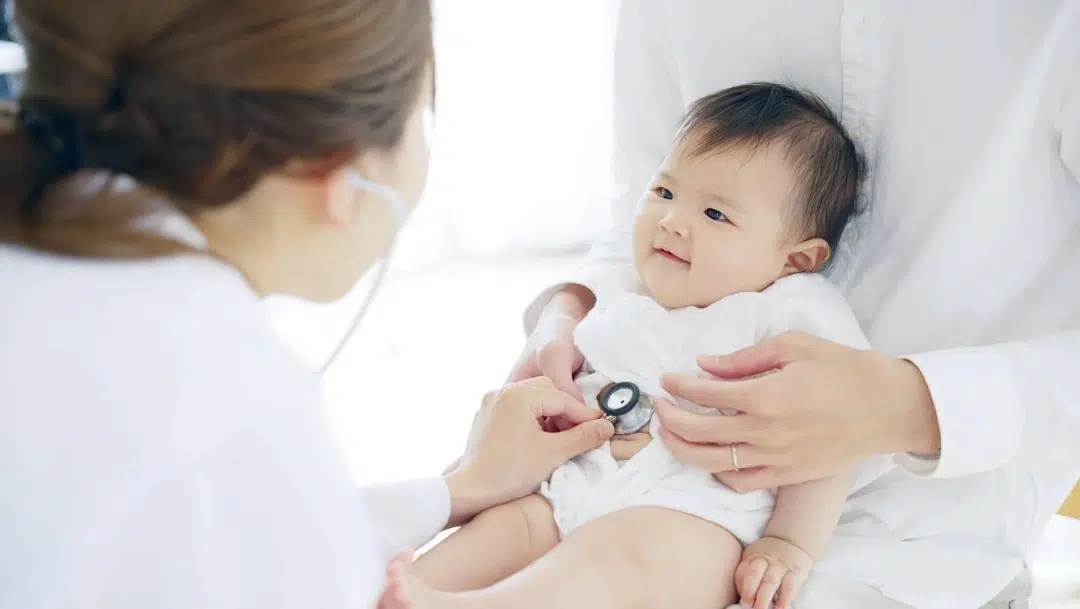
Consulting with an experienced dermatologist is essential as it ensures accurate diagnosis and timely intervention.

Newborn rash assessment in Singapore

Most newborn rashes can be diagnosed through careful clinical assessment, as they tend to have recognisable patterns and occur in well babies. The purpose of diagnosis is to confirm that the rash is a normal skin change and to rule out uncommon conditions such as infection or allergy that may require treatment.

Our dermatologists take a structured and gentle approach, combining visual assessment with relevant background information to arrive at an accurate diagnosis.

Clinical assessment

During the consultation, the dermatologist examines the baby’s skin to assess the pattern, extent and behaviour of the rash, as well as the baby’s overall comfort.  In many cases, this visual assessment alone is sufficient for diagnosis.

Medical and family history

Background information provides important context for diagnosis. This includes details of the baby’s birth, feeding practices, daily skincare routine and any recent exposure to new products or environments. Family history is also considered, particularly in rashes associated with sensitive or allergy-prone skin.

When tests are needed

Investigations are rarely required for newborn rashes. Simple tests may be recommended only if the rash appears unusual, persists longer than expected or shows signs suggestive of infection or other medical concerns. These tests help confirm the diagnosis and guide appropriate care when necessary.

treatment for newborn rashes.
Using a moisturiser helps to improve skin hydration and lowers the risk of newborn rashes.

Most newborn rashes are self-limiting and clear naturally within days to weeks. Treatment focuses on relieving discomfort, protecting the skin barrier and preventing secondary infection. The approach is always gentle, using products suitable for an infant’s delicate skin.

Our dermatologists tailor management to the rash type, severity and underlying cause while ensuring parents are guided on proper skincare practices. It encompasses:

General skin care

  • Mild cleansers use fragrance-free, hypoallergenic formulas to prevent irritation. Avoid soaps that strip natural oils.
  • Regular moisturisation baby-safe emollients help retain moisture and strengthen the skin barrier.
  • Avoid irritants switch to gentle detergents and avoid wipes or lotions containing alcohol, perfume or essential oils.

Temperature and moisture control

  • Clothing – dress the baby in loose, breathable cotton clothing.
  • Limit blanket use – avoid over-swaddling or heavy blankets in warm environments.
  • Nappy hygiene – change nappies frequently to reduce prolonged exposure to moisture.

Barrier protection

  • Zinc oxide or petroleum-based ointments form a protective barrier over the skin, especially on the buttocks and nappy area, to reduce redness and prevent further irritation. Apply after each nappy change and after bathing to maintain consistent protection.

Soothing and comfort measures

  • Cool compresses or lukewarm baths – help calm irritated skin, reduce redness and provide relief from heat rash or mild itching.
  • Gentle handling – avoid rubbing or scrubbing the affected areas during bathing or drying to prevent further irritation.
  • Short, trimmed nails – reduce the risk of scratching, which can worsen rashes or cause secondary infection.
  • Soft, breathable fabrics – dress the baby in loose cotton clothing to prevent friction and allow airflow.
  • Avoid unverified products – herbal creams, adult ointments and home remedies can irritate newborn skin and should not be used without medical advice.

Summary

Newborn rashes are common and, in most cases, harmless. They are part of the normal transition as a baby’s skin adapts to life outside the womb. Most resolve naturally with time, gentle care and patience.

Recognising which rashes are typical and which need medical attention helps parents avoid unnecessary worry. 

At Dermatology Collective, our dermatologists understand how concerning skin changes can be for new parents. We take a conservative, evidence-based approach to assess and manage newborn skin conditions, ensuring that both you and your baby are cared for with understanding and reassurance.

If your baby’s rash looks unusual, persists despite home care or seems to cause discomfort, book a consultation. Early assessment helps ensure safe, effective treatment and peace of mind.

can newborn rashes be cured.
Seeking a timely diagnosis is important as it helps to improve outcomes for newborn skin conditions.

Frequently Asked Questions (FAQs)

Yes. Most newborns experience at least one type of rash in the first few weeks of life. These are typically harmless and resolve without treatment.
Only use mild, fragrance-free moisturisers formulated for newborns. Avoid products with alcohol, essential oils or strong fragrances, as they can irritate delicate skin.
This may be due to hot water or soap irritation. Use lukewarm water, gentle cleansers and pat the skin dry. Apply moisturiser immediately after bathing to lock in moisture.
Most rashes are not contagious. However, infections such as yeast or bacterial rashes can spread if they are left untreated. Do remember to seek medical advice if you notice oozing, pus or spreading redness.
See a doctor if the rash is blistered, painful, spreading rapidly or accompanied by fever, irritability or poor feeding. These may indicate an infection or allergic reaction requiring prompt care.
The duration varies depending on the type. Most resolve within days to a few weeks. Persistent or recurring rashes may need medical review to identify underlying causes such as eczema or infection.
No. Once the underlying irritation settles, newborn skin heals completely without scarring or long-term pigmentary changes.
Yes. Our dermatologists guide parents on gentle skincare routines, suitable products and common triggers to avoid. This helps maintain healthy skin and reduces the risk of rashes recurring.
In most cases, follow-up is not required. However, review appointments may be recommended if a rash persists, worsens or comes back, so treatment can be adjusted if needed.
Parents are provided with ongoing reassurance and practical advice, helping them feel confident in caring for their baby’s skin safely at home.

Partnering You

with Trusted, Scientific Skin Care Across Every Stage of Life.

This article has been medically reviewed by Dr Kok & Dr Kong
Dr Kok & Dr Kong are experienced dermatologists with extensive expertise in treating children and adults across general, paediatric and aesthetic dermatology. They specialise in managing complex skin conditions, surgery and advanced therapies, delivering personalised care backed by strong clinical and academic excellence.

Types  of dermatology

At Dermatology Collective, we believe your skin needs are unique.
We’re more than a clinic; we’re a partnership. Together, it is our collective responsibility, where decisions are shared. We will listen to you, support you, and help you feel confident in your skin—because your skin health journey matters to us as much as it matters to you.


    Insurance Panels

    Corporate Insurance:

    • DA adept health
    • MHC
    • Alliance
    • Whitecoat
    • Fullerton health
    • IHP
    • Cigna International
    • Parkway Shenton/iXchange

    Insurance Partners:

    • GE
    • Prudential
    • AIA
    • NTUC income
    • HSBC Life
    • Singlife

    Our clinics are Baby Bonus Approved Institutions (AIs), so you can use your Child Development Account (CDA) when you consult our dermatologists! All you need to do is to ensure your card is activated as the payment mode is similar to NETS and requires a pin number.

    Ngee Ann City

    391B Orchard Road
Ngee Ann City Tower B #13-10/10A
Singapore 238874
    Operating Hours:

    Weekdays | 8:30 AM – 5PM
    Saturdays | 8:30 AM – 1:00 PM
    Sundays | Closed

    Whatsapp | +65 8226 1514

    Get direction

    HMI Medical Centre (Farrer Park)

    12 Farrer Park Station Road #05-01
Singapore 217565
    Operating Hours:

    Weekdays | 8:30 AM – 5PM
    Saturdays | 8:30 AM – 1:00 PM
    Sundays | Closed

    Whatsapp | +65 8300 3013

    Get direction
    Ngee Ann City
    391B Orchard Road
Ngee Ann City Tower B #13-10/10A
Singapore 238874
    HMI Medical Centre (Farrer Park)
    12 Farrer Park Station Road #05-01
Singapore 217565

    At Dermatology Collective, we believe your skin needs are unique.

    We’re more than a clinic; we’re a partnership. Together, it is our collective responsibility, where decisions are shared. We will listen to you, support you, and help you feel confident in your skin—because your skin health journey matters to us as much as it matters to you.

    © 2025 Dermatology Collective Clinic & Surgery. All Rights Reserved.
    magnifiercrosschevron-down
    WhatsApp (NAC) whatsapp
    WhatsApp (HMC) whatsapp
    chat