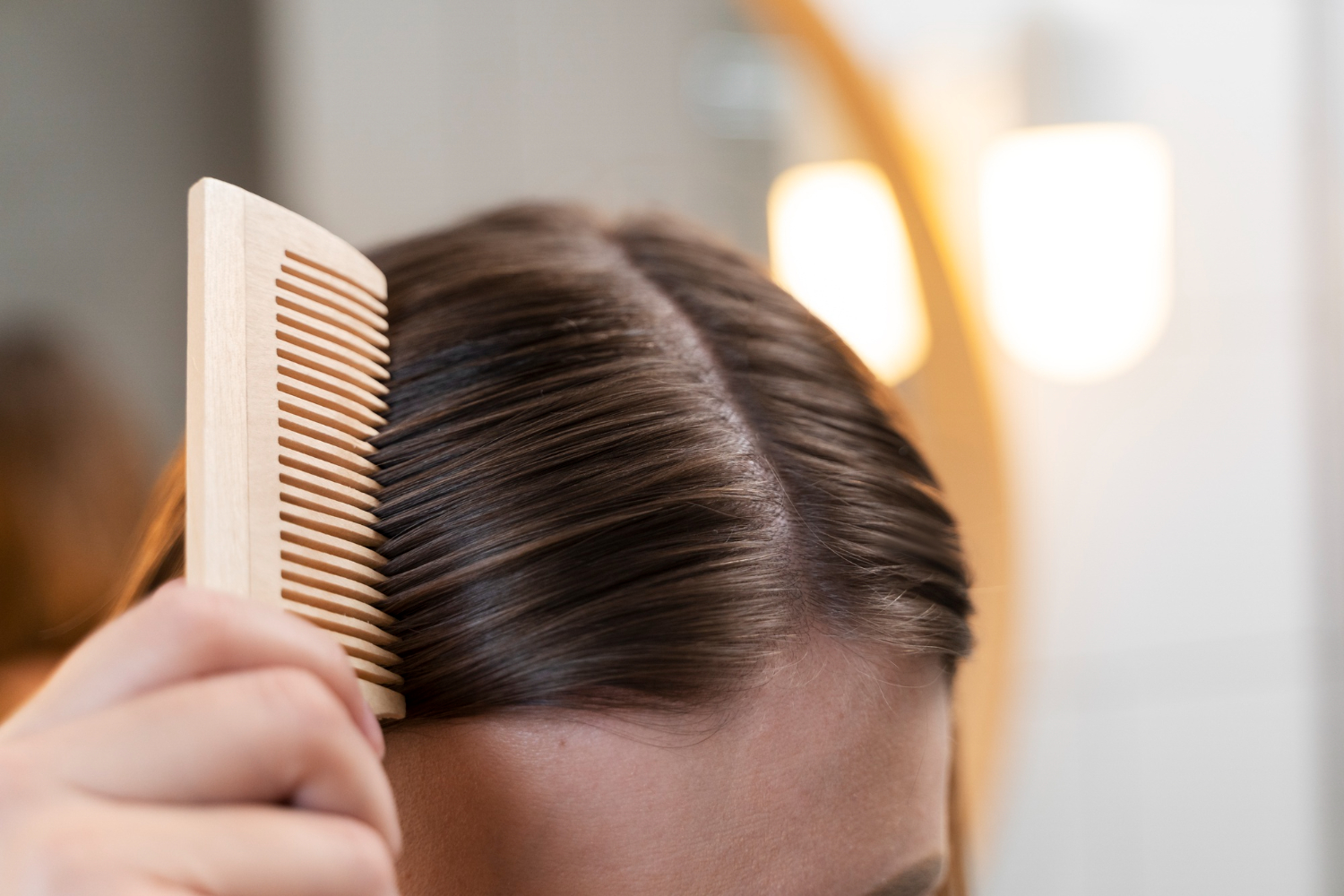
Hair shedding is a normal part of the hair growth cycle, but noticeable thinning, bald patches or persistent shedding may indicate an underlying
hair or scalp condition. Some forms of hair loss are temporary, while others may require medical assessment and treatment.
Knowing the difference between normal hair shedding and hair loss can help you decide when to seek professional advice. A dermatologist can assess your scalp, identify possible causes and recommend appropriate management based on your condition.
Is it normal to lose hair every day?
Yes. Most people shed around 50 to 100 hairs daily as part of the natural hair growth cycle. This is a rough guide rather than a number you need to count. How much hair you notice can also depend on how often you wash or brush it.
Normal shedding is usually balanced by new hair growth, so this shedding usually doesn't result in visible thinning.
However, hair loss may occur when more hairs fall out than usual, hair growth slows, or hair follicles become progressively smaller. You may notice a wider parting, a thinner ponytail, or more of your scalp showing.
The key difference is whether your hair density is changing over time. Persistent or noticeable changes are worth evaluating, especially if they occur with scalp discomfort or other symptoms.
What causes thinning hair and hair loss?
Hair loss can develop gradually or occur more suddenly. Common causes include:
1. Hereditary hair loss (Androgenetic Alopecia)
Also known as androgenetic alopecia, hereditary hair loss can affect both men and women. It typically develops gradually as hair follicles shrink and produce finer hairs over time.
Men may notice a receding hairline or thinning around the crown, while women may experience a widening part or reduced hair density over the top of the scalp.
2. Stress, illness and hormonal changes (Telogen Effluvium)
Physical or emotional stress, a significant illness, surgery, childbirth and certain hormonal changes can disrupt the hair growth cycle. This may cause increased shedding, known as telogen effluvium.
Hair shedding may become noticeable several weeks or months after the triggering event. In many cases, it improves once the underlying trigger has resolved, although recovery can take several months.
3. Nutritional deficiencies and medical conditions
Iron, inadequate protein or calorie intake, thyroid disorders and certain other medical conditions may contribute to hair loss. Some medications can also affect the hair growth cycle.
Your dermatologist may recommend investigations based on your symptoms and medical history. If you suspect a medication is contributing to hair loss, speak to the prescribing doctor before stopping it.
4. Autoimmune conditions and scalp disorders
Conditions such as alopecia areata can cause sudden, round patches of hair loss. Inflammation, fungal infections and certain scarring scalp conditions may also affect hair follicles.
Some scarring conditions can cause permanent hair loss if the follicles are damaged. Early assessment is particularly important when hair loss occurs alongside redness, scaling, pain or persistent itching.
5. Tight hairstyles and hair damage
Repeated pulling from tight ponytails, braids or hair extensions can cause traction alopecia. Over time, continued tension may permanently damage the affected follicles.
Excessive heat, bleaching and chemical processing can also weaken hair shafts and cause breakage, which may make the hair appear thinner.
When should you see a dermatologist for hair loss?
Not every episode of hair shedding requires treatment. However, consider consulting a dermatologist if you notice any of the following:
- Sudden or patchy hair loss: Bald spots develop quickly, or hair loss affects your eyebrows or other areas of your body.
- Progressive thinning: Your parting widens, your hairline recedes, or more of your scalp becomes visible.
- Persistent excessive shedding: You consistently notice more hair falling out when washing, brushing or styling your hair.
- Scalp discomfort or visible changes: Hair loss occurs with itching, pain, redness, scaling or sores.
- Other unexplained symptoms: Hair loss occurs alongside unusual fatigue, weight changes and menstrual irregularities.
- Hair loss affecting your wellbeing: You feel distressed by changes in your hair or want to understand the available treatment options.
You don't need to wait until hair loss becomes severe to seek advice. An early assessment may help identify conditions that benefit from timely treatment and, in some cases, prevent further damage.
How can a dermatologist assess hair loss?
A dermatologist will usually begin by asking about your symptoms, medical history, family history, medications and recent changes in your health or lifestyle.
The assessment may include examining your scalp and hair pattern, checking for signs of inflammation, and assessing whether the hair is shedding or breaking. Depending on the findings, blood tests may be recommended to investigate possible nutritional deficiencies, hormonal imbalances or other medical causes. In selected cases, a scalp biopsy may be needed.
Identifying the cause is important because different types of hair loss require different approaches. For example, treatment appropriate for hereditary hair loss may not address shedding caused by an underlying illness.
What treatments are available for hair loss?
Hair loss treatment depends on the diagnosis, the extent of hair loss and your individual circumstances. Options may include:
- Topical medication: Certain treatments, such as minoxidil, may help manage specific types of hair loss.
- Prescription medication: Oral medication, anti-inflammatory treatments or scalp injections may be recommended for selected conditions.
- Treatment of underlying causes: Addressing a nutritional deficiency, thyroid disorder or other contributing condition may help improve hair growth.
- Scalp care and hair-care adjustments: Reducing tight hairstyles, excessive heat and harsh chemical treatments may help minimise preventable hair damage.
Not every type of hair loss requires medication, and regrowth cannot be guaranteed. Some treatments take several months to show results, while certain conditions require ongoing management.
Seek medical advice before starting hair-loss medication or supplements, as their suitability depends on the underlying cause and your health needs.
Can thinning hair grow back?
It depends on the cause. Hair may regrow after temporary shedding once the triggering factor resolves. Hereditary hair loss may require ongoing treatment, while scarring hair loss can be permanent if the follicles have been destroyed.
Does stress cause hair loss?
Yes. Significant physical or emotional stress can disrupt the hair growth cycle and trigger increased shedding. This often develops a few months after the stressful event and may improve as the body recovers.
Should I change my shampoo if my hair is thinning?
A gentle shampoo may help keep your scalp clean and reduce hair breakage, but it will not necessarily treat hair loss originating from the follicles or an underlying medical condition. Persistent thinning warrants an assessment to identify the cause.
Will I need blood tests for hair loss?
Not necessarily. Many types of hair loss can be identified from your history and scalp examination. Blood tests may be recommended if there are signs of a nutritional deficiency, thyroid disorder or another contributing medical condition.
Take the next step for your hair and scalp health
Noticing thinning hair or increased shedding can be frustrating, but it doesn't always mean hair loss will be permanent. First, understand what may be causing the change.
At
Dermatology Collective, we assess and manage hair and scalp conditions. If you have noticed persistent shedding, progressive thinning, bald patches, or changes in your scalp, a consultation can help clarify possible causes and the right next steps.
Book a consultation with our doctors to discuss your hair and scalp concerns and explore suitable care options.