Adult Eczema

Table of contents

Eczema is a chronic skin condition that causes inflammation, dryness, and irritation due to a weakened skin barrier.

What is Eczema? 

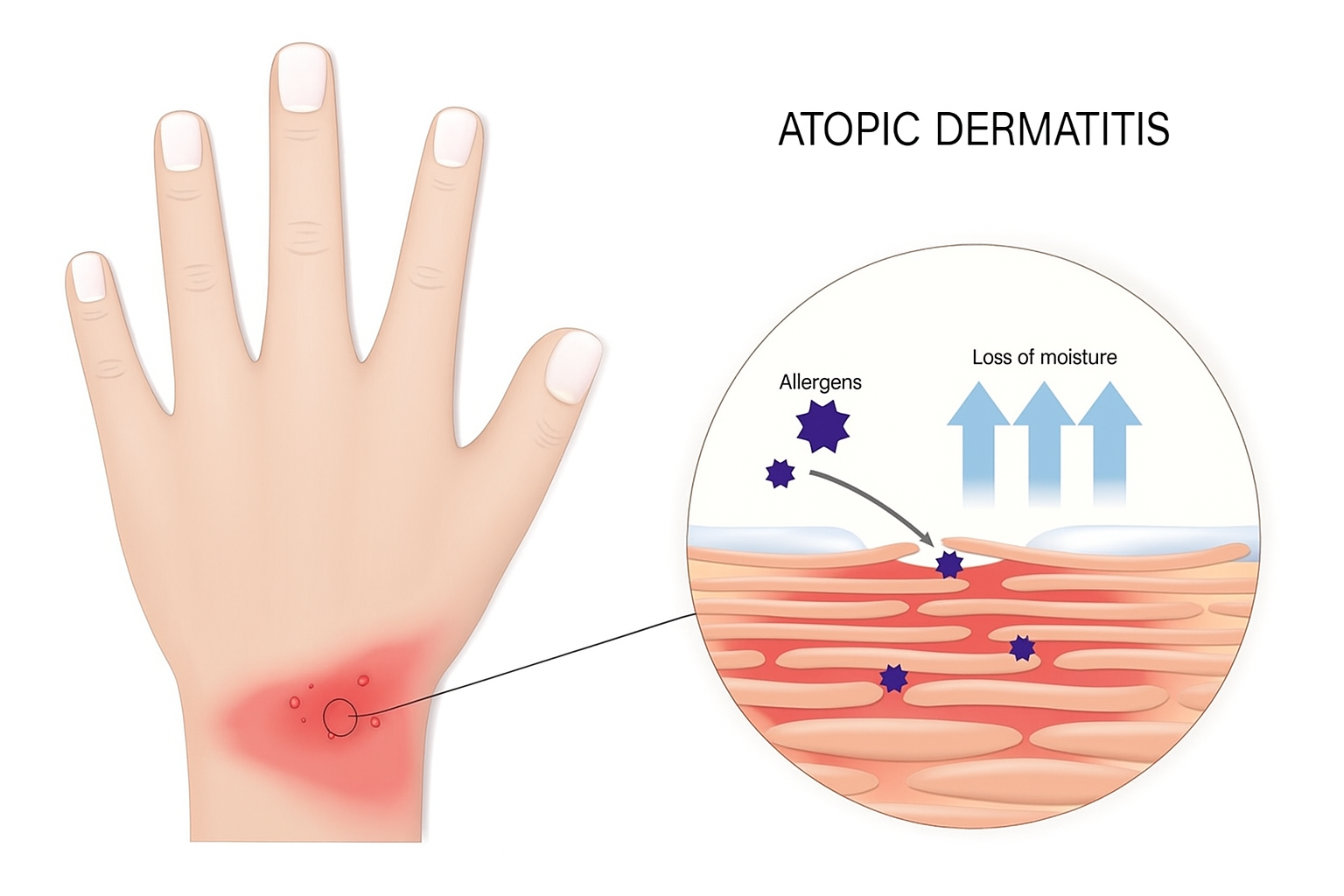
Eczema is a long-term skin condition that causes the skin to become inflamed, reactive and more vulnerable to external irritants. It occurs when the skin barrier is compromised, allowing moisture to escape and irritants to penetrate more easily. As a result, the skin becomes dry, reactive and prone to flare-ups.

The condition is not an infection that can be passed from person to person. It is often linked to a genetic tendency toward allergies or immune sensitivity. That is why it commonly runs in families with conditions like asthma or hay fever. However, eczema can also occur in people without any family history.

While eczema is often thought of as a childhood condition, it can persist into adulthood or even begin later in life. In adults, eczema often behaves differently. It may be more persistent, more localised and more strongly influenced by environmental triggers or lifestyle factors.

What are the different types of Eczema? 

The condition appears in various forms. Each comes with its own set of triggers and patterns. In adults, the most encountered types include:

  • Atopic dermatitisthe most common form of eczema. It is often linked to a family history of allergies or asthma. It may start in childhood and persist into adulthood or develop later in life. Flare-ups are typically triggered by stress, climate or skin irritants.
  • Contact dermatitis caused by direct exposure to substances that irritate the skin or trigger an allergic reaction. Irritant contact dermatitis results from repeated contact with harsh chemicals, while allergic contact dermatitis occurs when the immune system reacts to specific allergens like fragrances or metals.
  • Nummular eczema — presents as round, coin-shaped patches that can be itchy, scaly or oozing. These lesions often appear on the arms, legs or torso and may be mistaken for a fungal infection.
  • Asteatotic eczematriggered by extremely dry skin, particularly in older adults or during dry, cold weather. The skin often appears cracked, scaly and may resemble a dry riverbed, especially on the lower legs.
  • Seborrheic dermatitisaffects oily areas like the scalp and face, causing red, flaky or greasy skin. It is often associated with an overgrowth of yeast on the skin and may worsen with stress or seasonal changes.
  • Dyshidrotic eczema presents as small, itchy blisters on the fingers, palms or soles. It is more common in adults and can be aggravated by sweating, stress or certain allergies to metals like nickel.
Atopic dermatitis is a type of eczema in which the immune system overreacts to triggers, causing chronic skin inflammation and dryness.

What causes Eczema? 

Eczema does not have a single root cause but rather arises from a combination of factors. These factors include genetic predisposition, immune dysregulation and environmental insults. In adults, it often develops when a compromised skin barrier interacts with internal sensitivities or external irritants.

  • Genetics — many people with eczema have a family history of eczema, asthma or allergic rhinitis. A mutation in the filaggrin gene, which helps maintain the skin’s natural barrier, is commonly found in those with eczema. This makes the skin more prone to dryness and more vulnerable to irritants.
  • Immune system dysfunction — eczema is associated with an overactive immune response, where the body reacts to normal environmental triggers as if they are threats. This leads to chronic inflammation and recurring flare-ups.
  • Allergens substances such as pollen, pet dander or certain foods can trigger or worsen eczema in people with allergic tendencies. In adults, delayed hypersensitivity reactions (from skincare or metals) can lead to allergic contact dermatitis.
  • Environmental triggers — everyday exposures like harsh soaps, detergents, dust or pollution can irritate sensitive skin. Sudden weather changes, low humidity and even sweating may also worsen symptoms.
  • Skin damage — over-washing, frequent hand-sanitising or using strong exfoliants can strip the skin’s natural oils and barrier function. This makes it more reactive and prone to eczema.
  • Stress — emotional stress is a well-known aggravating factor in adult eczema. While not a direct cause, stress can weaken the immune system, increase skin sensitivity, and trigger flare-ups.

What are the symptoms of Eczema? 

The skin condition can appear differently from person to person. But it typically causes inflammation and irritation that fluctuates over time, with symptoms often becoming more persistent and localised in adults.

  • Cracks or fissures — common in areas of extreme dryness, such as fingertips or heels. They may bleed or sting, especially when exposed to water or cleansers.
  • Dryness — the skin often feels rough, tight or flaky, especially on areas like the hands, face, neck or legs. This dryness can become chronic and lead to visible scaling.
  • Inflammation — patches of skin may become swollen, warm or irritated, particularly during flare-ups. This can be triggered by stress, weather changes or skin contact with irritants.
  • Itching — a hallmark symptom of eczema, which can range from mild to severe. Persistent scratching often leads to further skin damage and thickening, especially in long-standing cases.
  • Oozing or crusting — in more acute stages, the skin may weep clear fluid, especially if scratched or infected. Over time, this can lead to crusted or scab-like areas.
  • Redness or discolouration — in lighter skin, inflammation may appear red or pink. In darker skin, it may appear brown, grey or as areas of hypopigmentation after healing.
  • Thickened or leathery skin — also known as lichenification, this occurs after repeated rubbing or scratching, especially on the hands, neck, elbows or ankles.
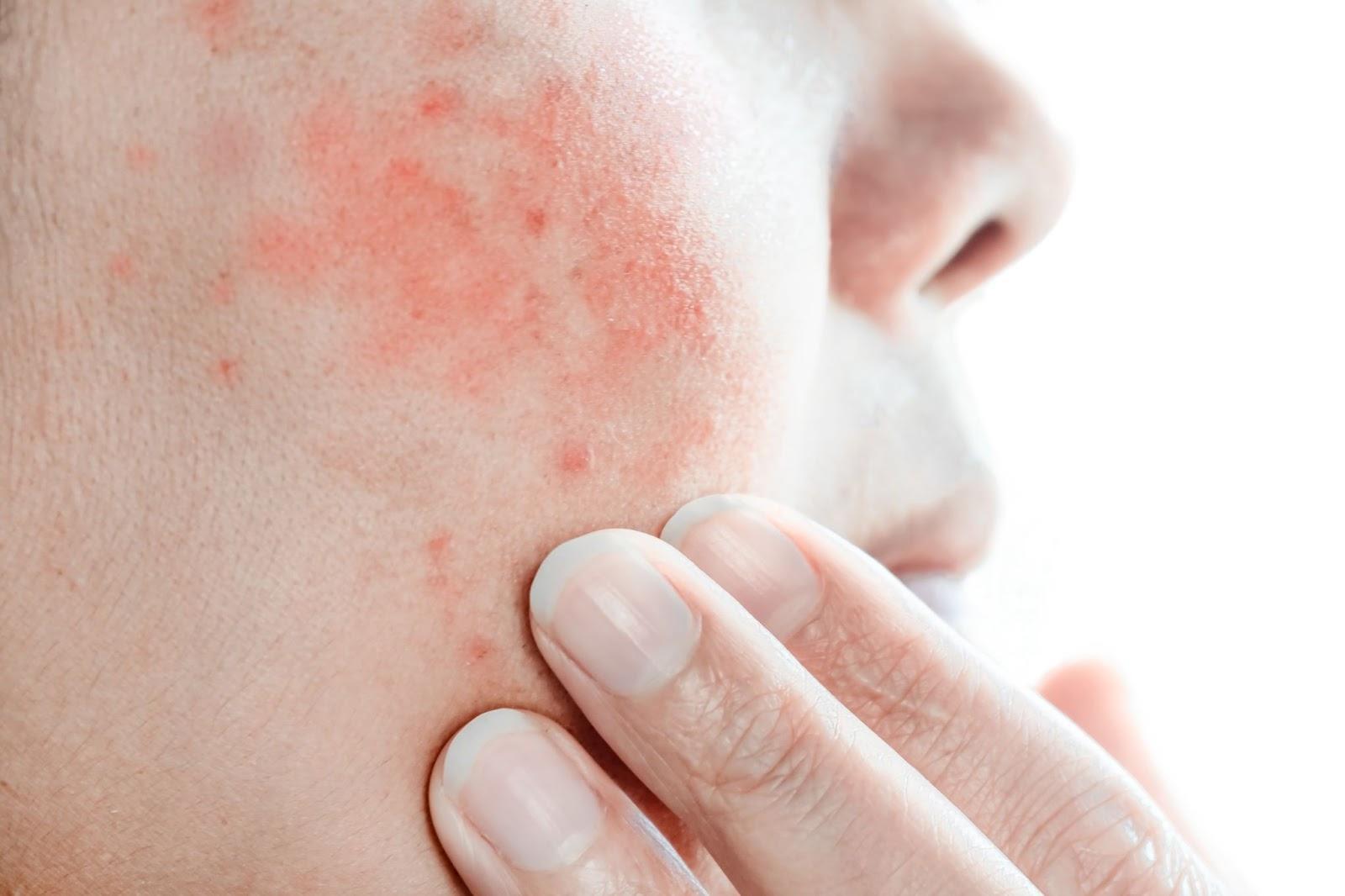
Eczema may cause redness or discolouration, often appearing as pink, red, brown or grey patches depending on skin tone.

Who is at risk of Eczema in Singapore? 

Although the skin condition can affect individuals across various age groups in Singapore, certain factors increase the susceptibility. This includes:

  • Genetic predispositionindividuals with a family history of atopic conditions such as eczema, asthma or allergic rhinitis are more likely to develop eczema.
  • Environmental triggers — the hot and humid weather, along with common allergens like dust mites and pollutants, can exacerbate eczema symptoms. 
  • Lifestyle factors — high stress levels, sleep deprivation, poor diet and a lack of physical activity have been associated with increased eczema severity.
  • Dietary patterns — emerging research suggests that dietary patterns may influence eczema severity. Diets low in plant-based foods and high in processed or inflammatory foods could worsen symptoms in some individuals. However, more studies are needed to confirm this link in adults.
  • Higher socioeconomic status — some studies have linked higher socioeconomic status with increased eczema prevalence. This is possibly due to greater use of skincare products, indoor allergen exposure or hygiene-related factors.
  • Comorbid conditions — conditions like obesity, hypertension and type 2 diabetes have been associated with more severe eczema cases due to systemic inflammation.

How is Eczema diagnosed? 

A detailed clinical evaluation is often the go-to diagnosis method to confirm eczema. This is because there is no single test for it. Diagnosis relies on a combination of methods, including:

  • Medical history — the dermatologist will ask about the onset, duration and pattern of your skin symptoms. They may also ask about any family history of eczema, allergies, asthma or hay fever. Lifestyle habits, stress levels and exposure to irritants may also be discussed.
  • Skin examination — a visual inspection helps assess the affected areas, noting their location, texture and severity. Eczema can sometimes mimic other skin conditions. Hence, a thorough assessment is important to rule out alternatives like psoriasis or fungal infections.
  • Patch testing — used when a contact allergy is suspected, especially in allergic contact dermatitis. Small amounts of allergens are placed on the skin to check for delayed reactions.
  • Skin swabs or biopsies — these tests may be done if there is a suspected infection or if the condition is not improving as expected. Skin swabs can check for bacteria like Staphylococcus aureus, which often worsens eczema. A skin biopsy might also be needed to rule out other skin conditions that look similar.

What are the treatment options for Eczema in Singapore? 

The treatment focuses on calming inflammation, repairing the skin barrier and reducing flare-ups. Treatment approaches are tailored to the severity and type of eczema, as well as each individual’s specific triggers.

Skin barrier repair — the cornerstone of eczema management

  • Moisturisers — used daily to hydrate and protect the skin.
  • Soap substitutes and gentle cleansers — to avoid stripping the skin’s natural oils.
  • Bath additives — like colloidal oatmeal or bath oils that soothe and moisturise.

Anti-inflammatory topical therapy — calming inflammation, redness, and itching

  • Topical corticosteroids — available in different potencies for different body areas.
  • Topical calcineurin inhibitorssuch as tacrolimus and pimecrolimus for delicate areas or as steroid sparers.
  • Topical PDE4 inhibitors — crisaborole is the only currently approved topical PDE4 inhibitor and is used to treat mild-to-moderate eczema.

Systemic treatments — for severe or unresponsive eczema

In recent years, newer targeted therapies have transformed eczema care. These medicines focus on specific pathways in the immune system, aiming to control symptoms with fewer widespread effects compared to older treatments. 

This includes:

1. Biologics

Biologics are targeted treatments that work by blocking specific proteins in the immune system that drive eczema inflammation. They are designed to reduce redness, itching and skin damage by calming overactive immune responses.

These medicines are given as injections under the skin, either at home or in the clinic, usually every 2 to 4 weeks depending on the drug and the treatment plan.

Options include:

  • Dupilumab the first biologic approved for eczema. It blocks interleukin-4 and interleukin-13, two key signalling proteins involved in inflammation and itch. This treatment is suitable for children from 6 months of age in certain cases, as well as older children, adolescents, and adults.
  • Lebrikizumab targets interleukin-13, helping to improve skin barrier function and reduce symptoms.
  • Nemolizumab blocks the receptor for interleukin-31, a protein closely linked to itch signalling, making it especially promising for severe itching.

2. JAK inhibitors

Janus kinase (JAK) inhibitors are a newer class of medication that work by blocking specific immune pathways involved in eczema. They are used when eczema remains uncontrolled despite standard topical or systemic treatments.

Options include:

  • Oral JAK inhibitors such as upadacitinib and abrocitinib. These are taken daily and have shown rapid improvement in itch, inflammation and skin healing. They are suitable for adolescents and adults with widespread or persistent eczema.
  • Topical JAK inhibitors like ruxolitinib cream, they are used for localised eczema. They are particularly recommended for delicate areas such as the face or skin folds, where steroids may be less appropriate.
  • Specialist monitoring required because of possible side effects like infections or changes in blood counts or cholesterol, our dermatologist will check if the treatment suits you. They will also monitor you with regular follow-ups and blood tests.

Infection management — addressing secondary skin infections

Bacterial infections are often caused by Staphylococcus aureus, which commonly colonises eczema-affected skin and can trigger flare-ups.

  • Topical antibiotics such as fusidic acid or mupirocin, used for mild, localised infections.
  • Oral antibiotics such as flucloxacillin, prescribed for more widespread or deeper bacterial involvement.
  • Antiseptic washes including chlorhexidine or dilute bleach baths. These help reduce bacterial load and prevent recurrent infections.

Viral infections are less common but potentially serious. These can occur when eczema skin is exposed to viruses like herpes simplex.

  • Eczema herpeticum a rare but serious viral infection that appears as painful, rapidly spreading blisters.
  • Oral antivirals such as acyclovir or valacyclovir, are used to control the infection.

Phototherapy — using UV light to reduce inflammation

  • Narrowband UVB phototherapy — the most common and well-tolerated method, administered in a clinical setting 2 to 3 times per week.
  • PUVA (psoralen + UVA) less commonly used, typically reserved for very severe cases.

Trigger identification and lifestyle management — reducing future flares

  • Allergen and irritant avoidance — such as fragranced products, synthetic fabrics or certain foods.
  • Stress management — techniques like mindfulness or counselling to reduce stress-related flares.
  • Dietary review — assessing whether any foods contribute to flare-ups (though true food allergies are rare in adult eczema).

Summary

Living with ongoing skin irritation or flare-ups can be frustrating and exhausting, especially when the triggers are unclear. Whether your symptoms started in adulthood or have been ongoing for years, there are effective, proven treatments that can help repair your skin barrier and reduce discomfort.

At Dermatology Collective, we offer personalised care tailored to your eczema type, skin condition and lifestyle. If your skin symptoms are persistent or affecting your daily life, reach out to us for a thorough assessment and treatment plan that works for you.

Frequently Asked Questions (FAQs)

In adults, eczema rarely goes away on its own. While symptoms may improve over time or go into remission, most adults require ongoing skincare and trigger management to keep flare-ups under control. Without proper treatment, it often remains a chronic condition.
No, eczema is not contagious. You cannot catch it from or spread it to others through skin contact.
Stress does not cause eczema. But it can trigger or worsen flare-ups by affecting the immune system.
Certain foods may trigger eczema in some individuals, particularly in those with confirmed food allergies. However, true food triggers are uncommon in adult eczema. Unnecessary dietary restrictions can lead to nutritional deficiencies and may not improve symptoms. It is best to consult a dermatologist before making any dietary changes to ensure safe and effective management.
Eczema involves immune dysregulation rather than a true autoimmune process. That is why it is not classified as an autoimmune disease.
Yes, cold, dry air or hot, humid conditions can exacerbate eczema. Maintaining proper skin care during seasonal changes is important.
Keep your skin moisturised, avoid known triggers like harsh soaps or allergens and manage stress levels. Consistency in daily skincare is key.
Regular moisturising, using gentle skin-care products and avoiding known triggers can help manage mild eczema at home.
The rashes can appear anywhere on the body. But it commonly affects the hands, face, neck and the insides of elbows and knees.
The condition is often associated with other atopic conditions like asthma and allergic rhinitis, especially in individuals with a family history of these conditions.

Partnering You

with Trusted, Scientific Skin Care Across Every Stage of Life.

This article has been medically reviewed by Dr Kok & Dr Kong
Dr Kok & Dr Kong are experienced dermatologists with extensive expertise in treating children and adults across general, paediatric and aesthetic dermatology. They specialise in managing complex skin conditions, surgery and advanced therapies, delivering personalised care backed by strong clinical and academic excellence.

Types  of dermatology

At Dermatology Collective, we believe your skin needs are unique.
We’re more than a clinic; we’re a partnership. Together, it is our collective responsibility, where decisions are shared. We will listen to you, support you, and help you feel confident in your skin—because your skin health journey matters to us as much as it matters to you.


    Insurance Panels

    Corporate Insurance:

    • DA adept health
    • MHC
    • Alliance
    • Whitecoat
    • Fullerton health
    • IHP
    • Cigna International
    • Parkway Shenton/iXchange

    Insurance Partners:

    • GE
    • Prudential
    • AIA
    • NTUC income
    • HSBC Life
    • Singlife

    Our clinics are Baby Bonus Approved Institutions (AIs), so you can use your Child Development Account (CDA) when you consult our dermatologists! All you need to do is to ensure your card is activated as the payment mode is similar to NETS and requires a pin number.

    Ngee Ann City

    391B Orchard Road
Ngee Ann City Tower B #13-10/10A
Singapore 238874
    Operating Hours:

    Weekdays | 8:30 AM – 5PM
    Saturdays | 8:30 AM – 1:00 PM
    Sundays | Closed

    Whatsapp | +65 8226 1514

    Get direction

    HMI Medical Centre (Farrer Park)

    12 Farrer Park Station Road #05-01
Singapore 217565
    Operating Hours:

    Weekdays | 8:30 AM – 5PM
    Saturdays | 8:30 AM – 1:00 PM
    Sundays | Closed

    Whatsapp | +65 8300 3013

    Get direction
    Ngee Ann City
    391B Orchard Road
Ngee Ann City Tower B #13-10/10A
Singapore 238874
    HMI Medical Centre (Farrer Park)
    12 Farrer Park Station Road #05-01
Singapore 217565

    At Dermatology Collective, we believe your skin needs are unique.

    We’re more than a clinic; we’re a partnership. Together, it is our collective responsibility, where decisions are shared. We will listen to you, support you, and help you feel confident in your skin—because your skin health journey matters to us as much as it matters to you.

    © 2025 Dermatology Collective Clinic & Surgery. All Rights Reserved.
    magnifiercrosschevron-down
    WhatsApp (NAC) whatsapp
    WhatsApp (HMC) whatsapp
    chat