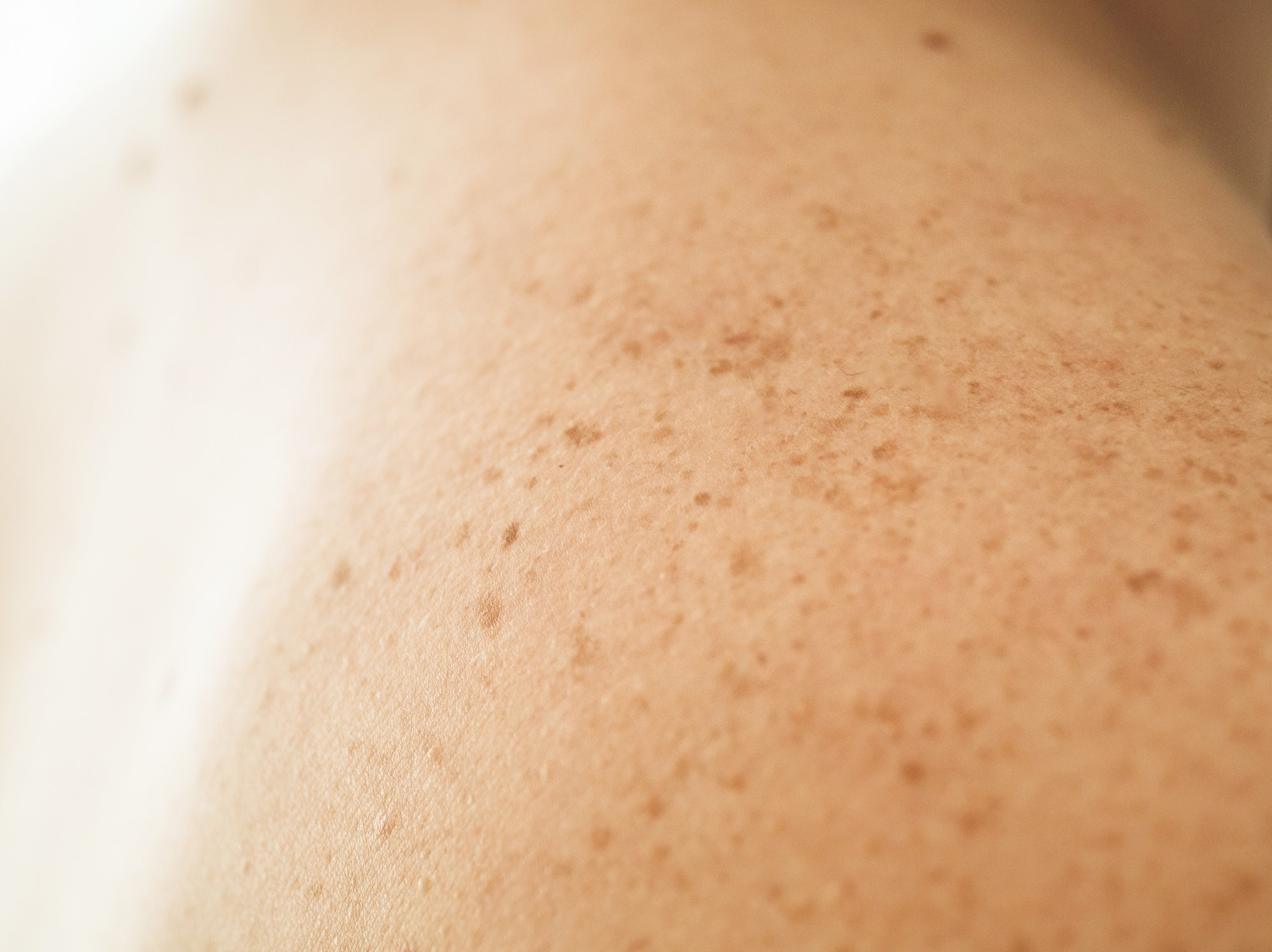
A new dark patch on the face. Areas of skin that suddenly look lighter than the rest. Brown marks that seem to appear after a rash has healed. Changes in skin colour often catch people off guard, and understandably so. They can happen gradually over months or seem to appear almost overnight.
So, why is this happening now?
Skin pigmentation can be influenced by hormones, inflammation, medications, sun exposure, and even underlying medical conditions. While some changes are harmless and fade with time, others may benefit from a proper assessment to understand what's driving them.
Rather than focusing only on the colour itself, it's important to look at the bigger picture. When did it start? Did it appear after acne or eczema? Has a new medication been introduced? Is it symmetrical, or is it changing over time? These details often provide valuable clues.
Key Takeaways
- Changes in skin colour can be caused by hormones, inflammation, medications, sun exposure, or certain medical conditions.
- Pigmentation may become darker (hyperpigmentation) or lighter (hypopigmentation).
- The appearance alone does not always reveal the underlying cause.
- Treating pigmentation often involves identifying and managing the condition that triggered it.
- A dermatologist can assess persistent or changing pigmentation and recommend appropriate management.
Why Is My Skin Changing Colour All of a Sudden?
When skin changes colour unexpectedly, it's natural to assume it's simply part of ageing or too much time in the sun. Sometimes that's true, but not always.
Skin colour is largely determined by melanin, a pigment produced by cells called melanocytes. Changes in the amount or distribution of melanin, or in the melanocytes themselves, can make areas of skin appear darker or lighter. The important question is what has caused that change.
In many cases, the colour change is actually a symptom rather than the condition itself. Identifying the trigger is often just as important as deciding how to treat the pigmentation.
Could Hormones Be Causing My Pigmentation?
Hormonal changes are a well-recognised trigger for certain pigmentary conditions, particularly melasmaH
During pregnancy or with hormonal treatments such as hormonal contraception, or around menopause, some people notice symmetrical brown patches developing across the cheeks, forehead, nose, or upper lip. This pattern is commonly seen in melasma.
Hormonal changes don't always create pigmentation on their own. Sun exposure often works alongside hormonal influences, making existing pigmentation darker or more noticeable.
This is one reason why pigmentation may persist even after hormone levels return to normal.
Can Inflammation Leave Dark Marks Behind?
Yes. This is very common.
After the skin has been inflamed, whether from acne, eczema, psoriasis, insect bites, or even an allergic rash, it sometimes responds by producing extra pigment as it heals. This is known as post-inflammatory hyperpigmentation.
Many patients are surprised because the original rash has disappeared, yet the dark marks remain.
The inflammation may have settled, but the pigment often takes much longer to fade. Depending on the individual and the depth of pigmentation, improvement can take weeks, several months or even several months.
The key is recognising that these marks are often the aftermath of inflammation rather than an active skin disease.
Can Medication Change the Colour of My Skin?
Yes, although it is less common than many people realise.
Some medications can contribute to changes in pigmentation after prolonged use or as a side effect. Others may increase the skin's sensitivity to sunlight, making sun-induced pigmentation more likely.
The appearance varies depending on the medication involved. Some people notice diffuse darkening, while others develop patches or areas of discolouration.
That doesn't necessarily mean a medication should be stopped. If pigmentation develops after starting a new prescription, it's worth discussing with the prescribing doctor or dermatologist before making any changes.
Why Do Dark Marks Stay Long After Acne or Eczema Has Cleared?
This is one of the most frequent frustrations patients describe. The spot is no longer active. The redness has settled. Yet the dark patch seems determined to stay.
That's because pigment often fades much more slowly than inflammation itself.
Repeated scratching, rubbing, or picking at the skin can make this process even slower, particularly in individuals with medium to darker skin tones, who may be more prone to developing post-inflammatory pigmentation.
Treating the original skin condition remains an important part of preventing new marks from forming.
Could It Be Something Other Than Pigmentation?
Not every patch of darker or lighter skin is simply "pigmentation."
Some conditions affect the skin's natural pigment production, while others involve inflammation, infection, or changes in blood vessels. Certain skin cancers may also appear as changing pigmented lesions.
This is why persistent, unusual, or changing skin discolouration shouldn't be diagnosed based on photographs or internet searches alone. The pattern, location, medical history, and examination findings all help point towards the correct diagnosis.
Does Sun Exposure Make Pigmentation Worse?
In many cases, yes. Even short periods of ultraviolet (UV) exposure, and in some cases visible light, can stimulate pigment-producing cells, making existing pigmentation darker or causing it to return after treatment.
This is particularly true for conditions such as melasma and post-inflammatory hyperpigmentation. Protecting the skin from the sun’s harmful radiaton is often an important part of managing pigmentation, alongside any treatment your dermatologist may recommend.
When Should Pigmentation Be Assessed by a Dermatologist?
Not every patch of pigmentation requires treatment, but it is worth arranging an assessment if:
- The pigmentation appeared suddenly without an obvious reason.
- It continues to spread or becomes darker.
- It developed after starting a new medication.
- The affected area is itchy, painful, bleeding, or changing in appearance.
- The pigmentation is affecting your confidence or quality of life.
- You're unsure whether it's pigmentation or another skin condition.
A consultation allows the underlying cause to be assessed before discussing the most appropriate management options.
Frequently Asked Questions
1. Can hormones really cause pigmentation?
Yes. Hormonal changes associated with pregnancy, hormonal contraception, or menopause may contribute to certain types of pigmentation, particularly melasma.
2. Why do acne marks stay for so long?
After inflammation settles, excess pigment can remain in the skin. These marks often fade gradually but may take several months to improve.
3. Can eczema leave permanent dark patches?
In most cases, post-inflammatory hyperpigmentation gradually improves, although it can take many months and occasionally longer. Rrecovery varies between individuals.
4. Can medication-related pigmentation disappear?
It depends on the medication and the underlying cause. Some pigmentation gradually fades, while other cases may persist even after the medication is changed.
5. Should every new dark spot be checked?
Any pigmented spot that is new, changing, unusually dark, irregular, or associated with symptoms such as bleeding or persistent itching should be assessed by a doctor.
Skin Colour Changes Often Tell a Bigger Story.
Talk to a Dermatologist and Find Out What's Behind Them.
Changes in skin colour can occur for many reasons, from previous inflammation and sun exposure to hormonal influences, medications and underlying skin conditions. Understanding the cause is the first step towards appropriate management.
At Dermatology Collective, our dermatologists assess pigmentary disorders and skin conditions that can affect skin colour. After identifying the underlying cause, they can discuss management options tailored to your skin and concerns.