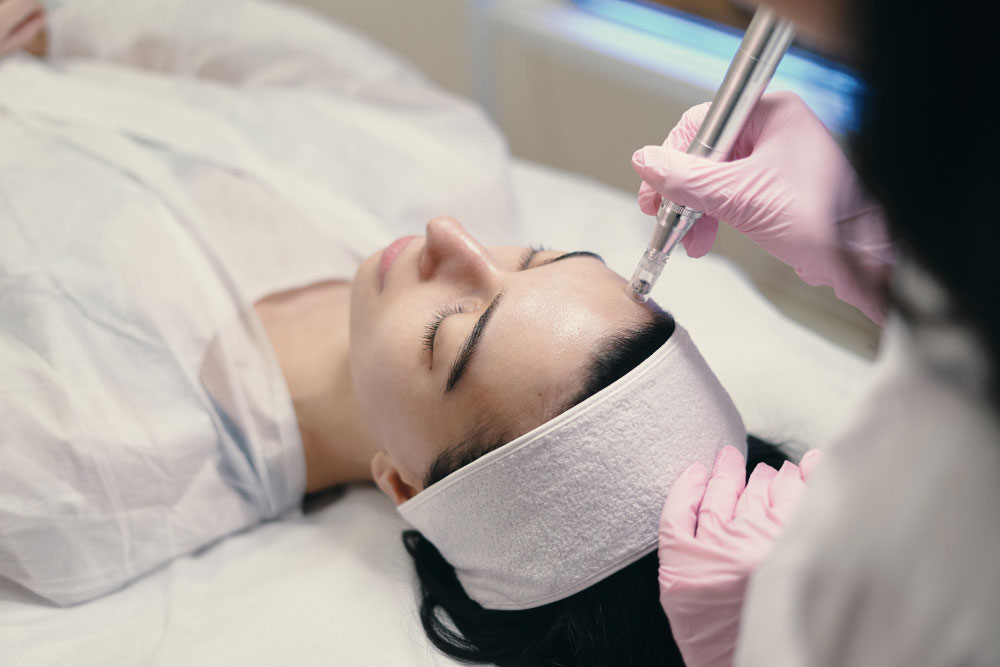
With year-end celebrations approaching, you may be thinking about how to prepare your skin for upcoming dinners, gatherings and family events. Changes in skin texture, uneven pigmentation, fine lines or occasional breakouts may become more noticeable when you are preparing for photographs or social occasions.
If you are considering a dermatological treatment, recovery time is an important factor. Some treatments involve minimal disruption to daily activities, while others may cause temporary redness, swelling, peeling or sensitivity that takes time to settle.
The term low-downtime treatment does not mean a procedure has no recovery period or is suitable for everyone. The appropriate option depends on your skin concerns, medical history, treatment goals and how much time you have before your event.
Here are several treatment options to discuss with your dermatologist when planning your skin care routine ahead of the year-end celebrations.
Chemical Peels for Uneven Skin Texture and Tone
Chemical peels use carefully selected chemical solutions to exfoliate the outer layers of the skin. Depending on the formulation and depth, they may be used to address concerns such as uneven skin tone, mild pigmentation, acne and certain textural irregularities.
Superficial chemical peels generally involve less recovery time than medium or deep peels. You may experience temporary redness, dryness, tightness or peeling after treatment.
The type and strength of the peel should be selected according to your skin condition and tolerance. People with sensitive skin or certain pigmentation issues may require extra caution because inflammation following a peel can sometimes worsen pigmentation.
If you are considering a chemical peel before an event, allow sufficient time for the skin to recover rather than scheduling it immediately before the occasion.
Non-Ablative Laser Treatments for Selected Skin Concerns
Laser treatments are used in dermatology to address different skin concerns, including pigmentation, uneven texture, redness and signs of photoageing.
Non-ablative lasers deliver energy to targeted structures within the skin while largely preserving the outer skin layer. Depending on the laser technology and treatment settings, they generally cause less surface disruption and downtime compared with ablative laser procedures.
Some people may still experience temporary redness, warmth or mild swelling following non-ablative laser treatment. The recovery period varies according to the device, settings, treatment area and individual skin response.
It is also important to understand that not all laser treatments are interchangeable. A laser used for pigmentation may work differently from one intended to address vascular concerns or skin texture.
A dermatologist can assess your skin concerns and determine whether a non-ablative approach is appropriate.
Treatments for Pigmentation and Uneven Skin Tone
Pigmentation is a common skin concern and can have several causes, including sun exposure, hormonal influences, inflammation and previous acne.
Depending on the diagnosis, treatment options may include selected pigment-targeting lasers, topical medications or chemical peels.
However, pigmentation conditions do not all respond to the same approach. For example, melasma can be particularly sensitive to heat and inflammation, and certain procedures may aggravate it in some individuals.
For this reason, a dermatologist should establish the cause for your pigmentation before recommending a treatment.
Daily sun protection is also important when managing pigmentation. In Singapore's tropical climate, regular use of broad-spectrum sunscreen, alongside protective measures such as shade and appropriate clothing, can help reduce ultraviolet exposure.
Skin Hydration and Barrier-Supporting Treatments
If your skin feels dry, tight or rough, its hydration levels and skin barrier function may need attention.
Some professional skin treatments focus on hydration and supporting the skin's outer barrier. Depending on the treatment, these may involve topical hydrating formulations or procedures designed to improve skin hydration.
These approaches may be considered for people experiencing dryness or dehydration, but they do not address every skin concern. For example, persistent roughness caused by eczema, acne or another inflammatory condition may require condition-specific management.
A dermatologist can help determine whether your skin would benefit from a hydration-focused approach or whether an underlying condition needs to be addressed first.
Treatments for Fine Lines and Early Signs of Skin Ageing
Fine lines can develop due to several factors, including repeated facial expressions, sun exposure and gradual loss of collagen and elastin in the skin over time.
Depending on the cause, treatment options may include selected laser procedures, topical retinoids or other dermatological approaches.
Some procedures may involve relatively short recovery periods, but the response and downtime vary. Topical treatments may also require gradual introduction because irritation, dryness and peeling can occur.
It is worth discussing your expectations with a dermatologist before choosing an option. Different treatments address different aspects of skin ageing, and improvements may take several weeks or longer to become noticeable.
How Far in Advance Should You Schedule a Skin Treatment?
The timing depends on the procedure, your skin's response and whether you have undergone similar treatments before.
As a general planning guide:
These are planning suggestions, not guaranteed recovery timelines. Some procedures require longer recovery, and even treatments generally associated with minimal downtime can cause unexpected reactions.
If you have an important event approaching, tell your dermatologist the exact date so that treatment timing can be considered.
What Should You Consider Before Choosing a Treatment?
Before undergoing any procedure, consider the following:
- Your primary skin concern: Identify whether you want to address pigmentation, texture, dryness, acne or fine lines.
- Your skin history: Previous reactions, allergies, existing skin conditions and medications may affect treatment suitability.
- Expected downtime: Ask about possible redness, peeling, swelling, sensitivity and how long these effects may last.
- Sun exposure: Some treatments increase skin sensitivity, making sun protection particularly important.
- Treatment expectations: Understand what a procedure can realistically address and whether multiple sessions may be required.
Avoid scheduling an unfamiliar procedure immediately before a major celebration. Giving your skin sufficient recovery time is particularly important when you have not undergone the treatment before.
Frequently Asked Questions
1. Which skin treatments have the least downtime?
Downtime varies depending on the procedure, treatment intensity and individual skin response. Some superficial chemical peels and selected non-ablative laser treatments may involve shorter recovery periods than deeper or ablative procedures. However, no treatment is guaranteed to be free of side effects or downtime.
2. Can I get a laser treatment a few days before a year-end event?
It depends on the type of laser and your skin's response. Some laser procedures can cause redness, swelling or temporary pigmentation changes. It is generally advisable to allow sufficient recovery time and avoid trying an unfamiliar procedure immediately before an important event.
3. Should I avoid skincare products after a dermatological treatment?
Your post-treatment skincare routine will depend on the procedure performed. You may need to temporarily avoid exfoliating ingredients, retinoids or other potentially irritating products. Follow your doctor's instructions on cleansing, moisturising and sun protection.
Plan Your Skin Treatments Before Year-End Celebrations
Preparing your skin for year-end celebrations does not necessarily mean undergoing multiple procedures or choosing treatments with immediate visible results. Understanding your skin concerns, selecting appropriate options and allowing enough recovery time are important parts of treatment planning.
At Dermatology Collective,
our team of doctors can help determine the factors contributing to your skin concerns and whether a particular treatment is suitable. Your skin type, medical history, previous treatments and upcoming commitments can all be considered when discussing a management plan.
If you are considering a dermatological treatment before the festive season, consult a doctor early to discuss the available options, potential side effects and expected recovery period.